




| IN A NUTSHELL |
|
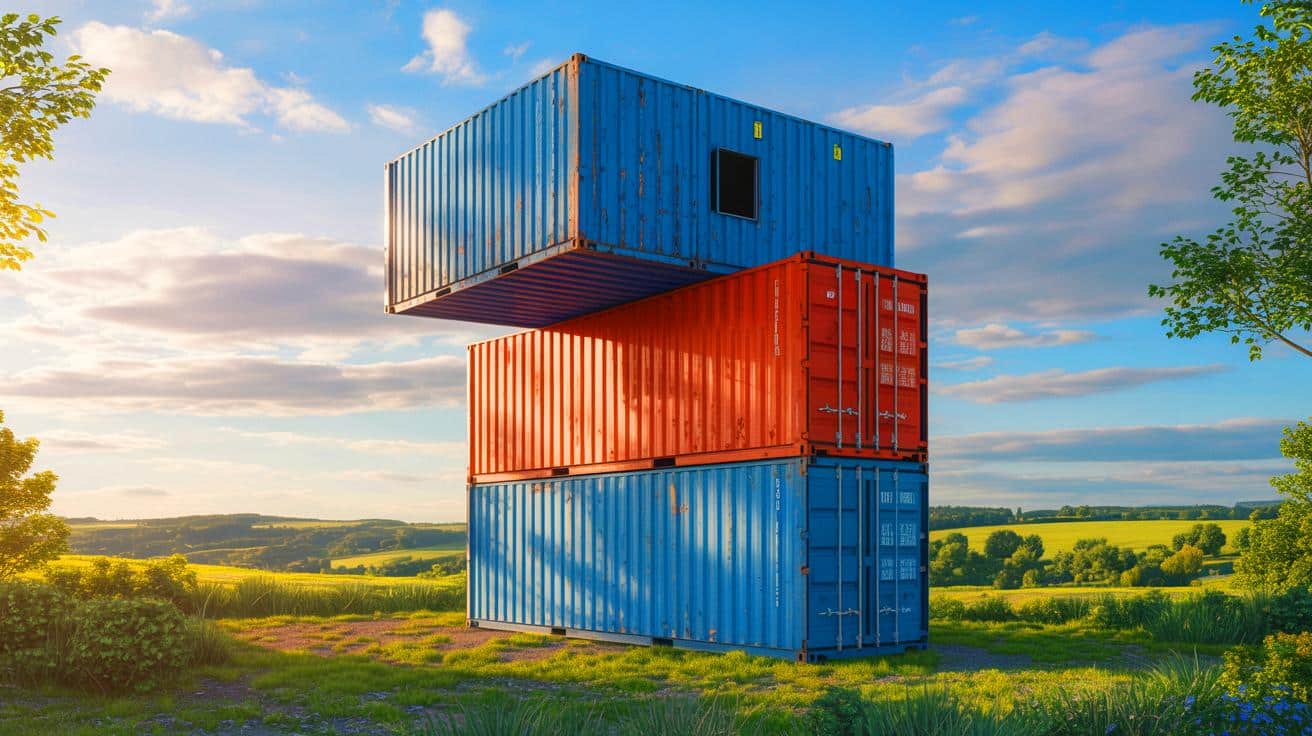
In the scenic town of Litomyšl, Czech Republic, an innovative architectural project is turning heads. Atelier-r has crafted an observation tower using recycled shipping containers, blending functionality with sustainability. Dubbed “Lookout Above Litomyšl,” this project is part of a local initiative to encourage outdoor activities. With a budget of nearly $72,000, the tower is designed to be dismantled easily, ensuring minimal environmental impact. The structure provides visitors with a unique experience, starting from a horizontal container that transitions into a vertical one, culminating in stunning views of the countryside. This project exemplifies the creative use of shipping containers in modern architecture.
The Concept Behind Lookout Above Litomyšl
The Lookout Above Litomyšl project began with a simple yet bold idea: utilize shipping containers to create an observation tower that is both cost-effective and environmentally conscious. The local authorities commissioned this structure to promote outdoor activity among residents. The decision to use containers was driven by a desire to keep construction costs low while also allowing for the tower’s eventual dismantling. This approach not only reduces long-term environmental impact but also preserves the natural beauty of the area.
Shipping containers offer a unique versatility, akin to oversized Lego blocks, which architects can creatively employ in various projects. In this case, two containers were transformed into a striking tower, offering visitors a journey through a horizontal section before ascending to a vertical observation point. This transition provides a unique perspective and highlights the innovative use of space within the containers.
Designing the Future: XR Visionary Xianghan Wang Joins the Jury of the 2025 Spark Awards
Structural Design and Features
The tower’s structure comprises a large concrete slab foundation with two standard 45-foot containers stacked to form the main body. These containers were intentionally left unpainted, retaining their original, worn appearance to add an authentic touch to the design. A portion of the horizontal container was repurposed to extend the vertical section, reaching a height of 50 feet.
A reinforcing steel structure supports the staircase within the vertical container, providing access to the observation platform. Although the design lacks alternative access options for those unable to use the stairs, the staircase itself is a central feature, guiding visitors to panoramic views of the surrounding rural landscape. A lightning conductor, conceptualized by sculptor Jan Dostál, doubles as an artistic installation, further enhancing the tower’s unique aesthetic.
Philosophy and Global Implications
Atelier-r’s philosophy for this project is rooted in creating unconventional works that reflect contemporary issues. The architects aim to address globalization, transportation, and ecology through their designs. Shipping containers symbolize each of these themes, offering a practical solution that balances modern needs with environmental consciousness.
By repurposing containers, the project minimizes waste and showcases the potential for eco-friendly architectural alternatives. This approach aligns with global trends toward sustainable design, highlighting the importance of considering environmental impact in construction. The Lookout Above Litomyšl serves as a model for future projects seeking to blend functionality with sustainability.
Container Architecture: A Growing Trend
The Lookout Above Litomyšl is part of a broader trend in architecture that embraces shipping containers as building materials. This genre of design is gaining popularity for its cost-effectiveness, versatility, and reduced environmental footprint. Other notable examples include the Mark T House, the SaunaPlunge, and the MOT Museum, all of which utilize containers to create innovative and sustainable structures.
Shipping container architecture challenges traditional construction methods, offering an alternative that is both practical and aesthetically pleasing. As more architects explore this trend, the potential for creative and eco-friendly designs continues to expand. These projects demonstrate that with ingenuity and vision, even the most unlikely materials can be transformed into architectural masterpieces.
The Lookout Above Litomyšl stands as a testament to the potential of repurposed materials in modern architecture. By incorporating shipping containers, Atelier-r has created a structure that is both innovative and environmentally mindful. As the world continues to grapple with the challenges of sustainability, what other unconventional materials might architects explore to redefine our built environment?




What an amazing idea! Who would have thought that shipping containers could be turned into something so beautiful?
Wow, this tower is truly a testament to human creativity! 🎨 How long did it take to build?
I’m skeptical about the durability of shipping containers. How do they hold up against extreme weather? 🤔
🤔 How durable is the structure? Can it withstand harsh weather conditions?
Thank you for sharing this incredible project! It’s inspiring to see sustainability in action. 🌿
Why did they choose not to paint the containers? Was it just for aesthetics or is there a deeper reason?
I wonder how long it will take for this trend to catch on globally. Any guesses?
How do they ensure the structure is safe for visitors, especially in windy conditions?
Looks like a creative use of space, but what about accessibility for people with disabilities?
Love the concept but aren’t there accessibility issues for people who can’t use stairs? 🏗️
This is an amazing idea! I hope other countries adopt similar eco-friendly projects.
I’m really inspired by this project! Thank you for sharing such innovative ideas! 🌟
Can the tower be easily relocated if needed? Seems like a neat idea if it can move! 🚚
Why aren’t there more projects like this? The world could use more sustainable architecture.
Not sure if I like the look of rusty containers, but I guess beauty is in the eye of the beholder.
What happens if a container gets damaged? Is it easy to repair or does it need replacement?
This is a fantastic blend of art and functionality. Kudos to the architects!
How much more cost-effective is this compared to traditional building methods?