


| IN A NUTSHELL |
|
The prospect of deep-sea mining in the Pacific Ocean’s Clarion-Clipperton Zone (CCZ) has sparked significant concern among scientists and environmentalists. A recent study from the University of Hawai’i at Mānoa reveals the potential ecological upheaval caused by mining activities in this biologically rich region. The CCZ, home to diverse marine life, is under threat from sediment plumes released during mining. These plumes could disrupt the delicate balance of the ocean’s “twilight zone,” impacting zooplankton and micronekton populations, which are crucial to the marine food web. The study emphasizes the need for careful regulation before commercial deep-sea mining becomes widespread.
Understanding the Twilight Zone
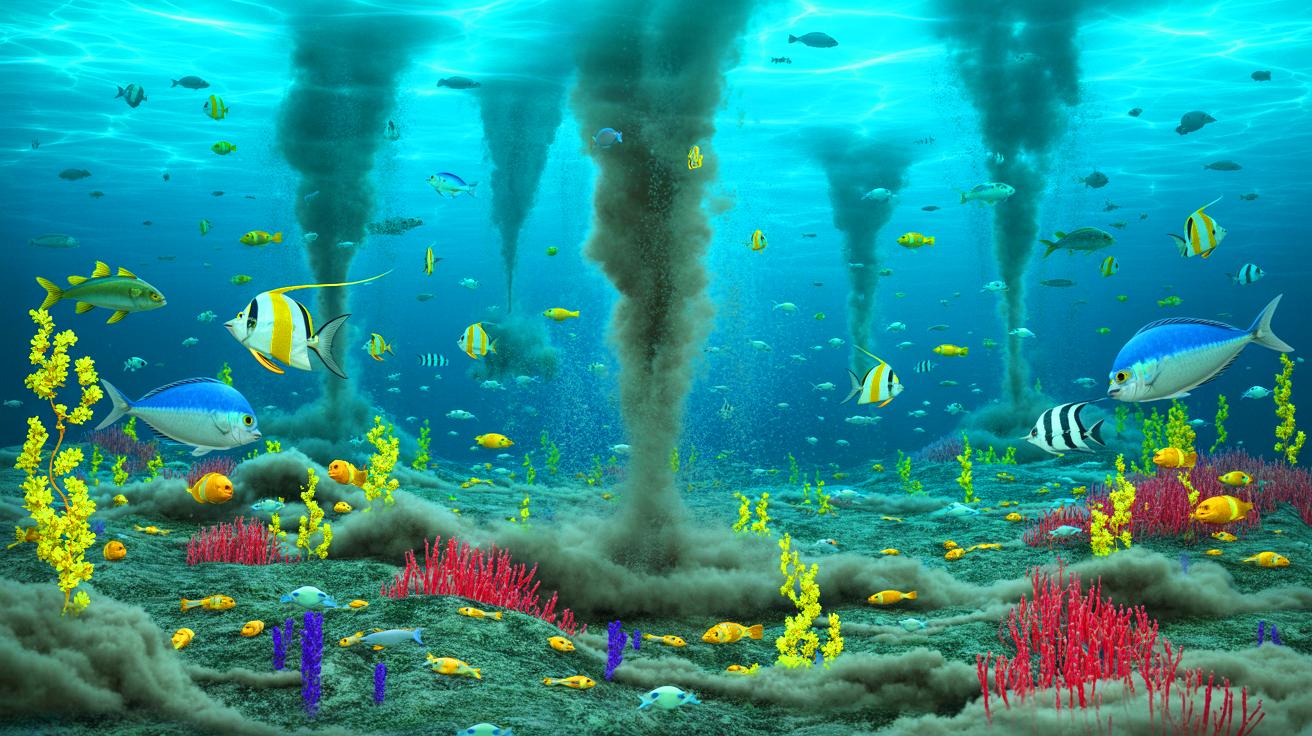
The ocean’s twilight zone, located between 656 and 4,921 feet below the surface, is a critical habitat teeming with life. It is home to a vast array of species, including zooplankton, which form the foundation of the ocean’s food web. These tiny creatures drift through the water, serving as prey for larger animals, such as fish and marine mammals. The study highlights the vulnerability of this zone to disturbances caused by deep-sea mining. Sediment plumes, a byproduct of mining operations, introduce murky particles into the water. These particles dilute the nutritious particles that zooplankton rely on for sustenance.
Michael Dowd, the study’s lead author, compares the effect to the Mississippi River’s muddy waters. The sediment plumes create a similar murkiness, threatening the survival of zooplankton and, by extension, the entire marine food web. This disruption could cascade through the ecosystem, affecting larger predators and potentially altering the balance of the ocean environment.
The Nutritional Impact of Mining Waste
Researchers conducted their study by examining sediment plumes released during a 2022 mining test in the CCZ. This area is rich in polymetallic nodules vital for renewable technologies. However, mining these nodules involves discharging waste material back into the ocean. The study found that the particles released during this process are nutritionally inferior to the natural detritus that marine organisms consume.
Professor Erica Goetze, a co-author of the study, emphasizes that this issue extends beyond the mining site. The waste particles replace the naturally occurring food sources that many deep-sea animals depend on. This substitution could have lasting implications for marine ecosystems. As global demand for minerals increases, the study underscores the urgent need to understand and mitigate the environmental impacts of deep-sea mining.
Regulatory Gaps and Environmental Risks
The findings of this study highlight significant regulatory gaps in the management of deep-sea mining waste. Currently, there are no international rules governing the discharge of mining waste in the ocean. This oversight poses a substantial risk to marine ecosystems. The twilight zone, a habitat characterized by scarcity and delicate balance, is particularly vulnerable to these disruptions.
Deep-sea ecologist Jeffrey Drazen warns that releasing waste into this zone could have far-reaching consequences. Many organisms in the twilight zone participate in vertical migration, a process that transports carbon from the surface to the deep ocean. This natural carbon cycling is crucial for maintaining the planet’s carbon balance. By altering the quality of available food, mining plumes could disrupt these processes, with potential implications for global climate regulation and marine biodiversity.
Implications for Global Marine Ecosystems
The study’s implications extend beyond the immediate vicinity of the CCZ. The potential for widespread and lasting changes in ocean ecosystems raises concerns for commercial fisheries and global food security. Tuna, a species that migrates through the CCZ, could be affected, impacting seafood supplies worldwide.
Brian Popp, a co-author of the study, stresses the urgency of understanding midwater ecosystems before commercial mining begins. The study serves as a call to action for policymakers and environmental organizations. There is a pressing need to establish international regulations that protect marine ecosystems from the surface to the deep sea. The study’s authors hope their findings will inform policy discussions and environmental reviews, ensuring that the risks of deep-sea mining are thoroughly evaluated and addressed.
As the demand for minerals continues to rise, the question remains: how can we balance the needs of technological advancement with the preservation of our planet’s delicate marine ecosystems? This study underscores the importance of making informed decisions to ensure the sustainability of ocean environments for future generations.


Is there any way to make deep-sea mining more eco-friendly? 🤔
Wow, I had no idea the twilight zone was so important to marine life! Thanks for the insights. 🌊
Great article! Thanks for shedding light on this critical issue. 🌊
The article makes a compelling case, but are there any potential benefits to deep-sea mining that we should consider?
I wonder how the mining companies are responding to these concerns. Anyone have insights?
Shouldn’t we just ban deep-sea mining altogether until we have better regulations in place?
It’s alarming to think that sediment plumes could disrupt the food web. How are scientists planning to monitor these impacts?
Why isn’t there more international regulation on this already? Seems like a no-brainer.
Great article! But how realistic is it to expect international regulations anytime soon? 🌍
Good grief! Just when the ocean needs more protection, we’re throwing mud at it?
Thank you for bringing attention to this! It’s crucial for policy changes.
Is there any technology being developed to minimize the environmental impact of deep-sea mining?
Deep-sea mining sounds like a bad idea, but isn’t it essential for renewable technology? 🤔
Can someone explain what sediment plumes are? I’m a bit lost here. 😅