



| IN A NUTSHELL |
|
In a significant leap for space exploration, SpinLaunch, a pioneering startup from California, is preparing to launch an unprecedented number of microsatellites into low-Earth orbit (LEO). This ambitious endeavor, utilizing a giant centrifugal cannon, is poised to reshape how satellites are deployed. By offering a cost-effective and environmentally friendly alternative to traditional rocket launches, SpinLaunch aims to challenge industry giants like SpaceX. With the backing of substantial funding, the company is setting its sights on launching hundreds of these innovative satellites, marking a new chapter in the quest for sustainable space missions.
A New Era of Satellite Launches
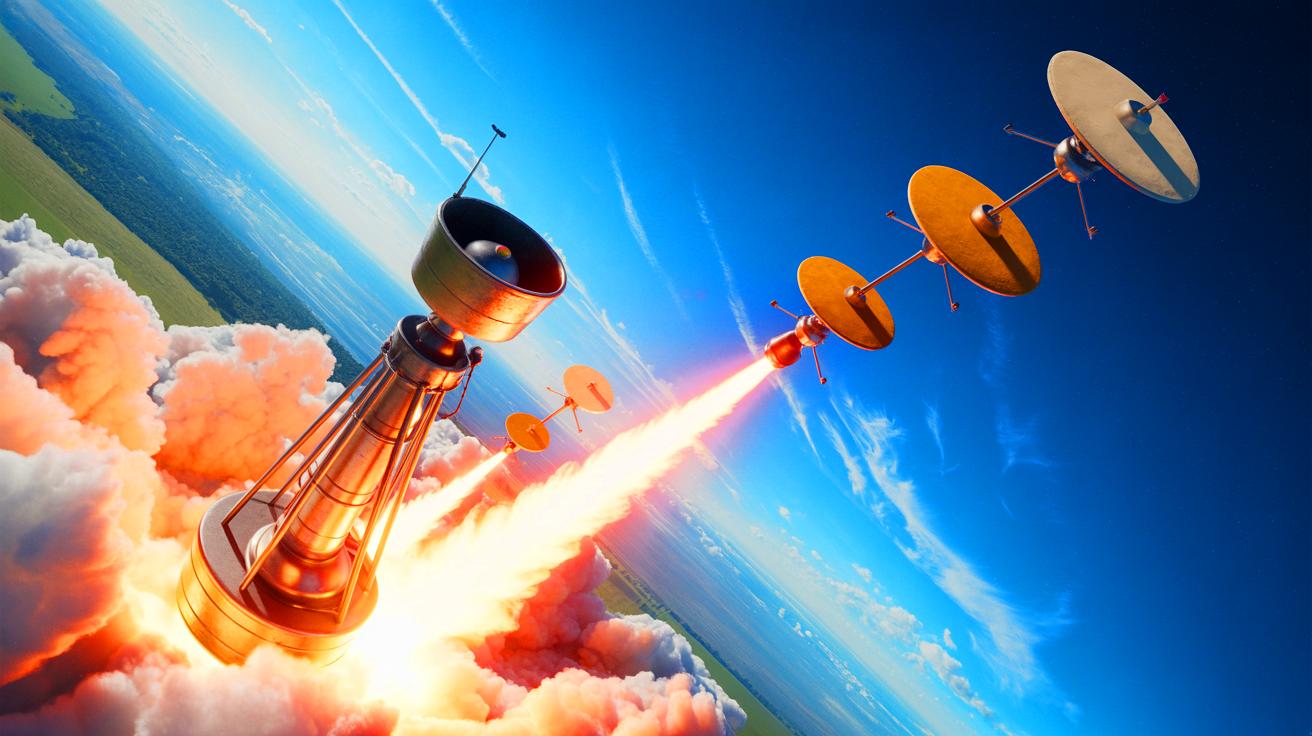
SpinLaunch’s innovative approach involves the use of a giant centrifugal cannon to propel satellites into orbit. This method is expected to drastically reduce both costs and the environmental footprint of satellite launches. The company’s ambitious Meridian Space constellation is set to have a significant impact, with the initial batch of pancake-shaped satellites scheduled for deployment soon. These microsatellites, each measuring approximately 7.5 feet in width and weighing about 154 pounds, are designed to be stacked efficiently in a launch bus, making them lighter and more compact than traditional satellites.
The novel design and deployment strategy could enable SpinLaunch to break records for the number of spacecraft launched simultaneously, a record currently held by SpaceX. With nearly $150 million in funding, including recent support from Kongsberg Defence and Aerospace, SpinLaunch is well-positioned to realize its vision. The involvement of KDA’s NanoAvionics in constructing the first set of 250 satellites adds credibility to the project, paving the way for a successful launch in 2026.
The Revolutionary Launch System
SpinLaunch’s unique satellite deployment system employs a vacuum-sealed chamber and spinning arms to accelerate payloads. This Suborbital Accelerator has already demonstrated its capabilities by launching ten rockets into suborbital flight from New Mexico. The system operates by spinning payloads up to speeds of 5,000 mph, subjecting them to forces as high as 10,000 Gs before release into the upper atmosphere. The successful test launches, including a notable one in September 2022, provide a solid foundation for the planned orbital demonstration, which will use the same machine to send payloads into LEO.
The primary advantage of this system is its cost-efficiency. SpinLaunch estimates that future commercial launches could cost between $1,250 and $2,500 per kilogram, significantly less than SpaceX’s Falcon 9 rockets. Additionally, the system’s lack of greenhouse gas emissions during launch and the elimination of booster rockets contribute to a more sustainable approach to space travel, minimizing both environmental impact and space debris.
Implications for the Satellite Industry
The introduction of SpinLaunch’s technology could have profound implications for the satellite industry. By providing a more affordable and eco-friendly launch option, SpinLaunch is poised to disrupt the market and redefine the competitive landscape. The Meridian Space constellation aims to offer high-speed communication services at a lower cost than its competitors, potentially democratizing access to space-based services.
Moreover, SpinLaunch’s plans to expand their capabilities with a larger Orbital Accelerator could enable up to five commercial payloads to be launched daily. If realized, this ambitious goal would significantly increase the frequency and accessibility of satellite launches, creating new opportunities for industries reliant on satellite technology. However, this surge in activity raises concerns about potential issues such as spacecraft collisions, light pollution, and interference with astronomical observations.
Looking Ahead: Challenges and Opportunities
While SpinLaunch’s innovations present exciting opportunities, they also pose challenges that must be addressed. Increased satellite activity in LEO may exacerbate existing issues such as space debris and atmospheric pollution from re-entering spacecraft. As the company progresses with its ambitious plans, it will be crucial to consider these factors and strive for sustainable solutions that balance growth with responsibility.
The success of SpinLaunch’s upcoming launches could set a new standard for satellite deployment, offering a glimpse into a future where space is more accessible and sustainable. However, the question remains: how will the industry adapt to these changes, and what measures will be taken to mitigate the potential risks associated with increased activity in low-Earth orbit?

Wow, this sounds like something straight out of a sci-fi movie! 🚀
Hope they have a plan for those satellites not to collide with each other. 🙄
SpinLaunch vs. SpaceX: Who’s gonna win the space race?
Is it just me or does “centrifugal cannon” sound like something from a Bond movie? 🎥
How will this affect astronomers? Light pollution is already a big issue. 🌌
When is the first launch scheduled? Can’t wait to see it in action! 🚀
Seems like a game-changer for the satellite industry. Exciting times ahead!
Does this mean more satellites blocking our view of the night sky? 🌠
SpinLaunch sounds innovative, but what about safety concerns? 🤔
I wonder how this will impact SpaceX’s business model. Elon must be watching closely! 🧐
Can this technology be used for other purposes besides launching satellites?
SpinLaunch better have good insurance! Spinning things at 5,000 mph sounds risky. 🌀
How will they ensure that these satellites won’t contribute to space clutter?
Not sure if I buy this. Sounds like a lot of hype to me. 🤷♂️
How does SpinLaunch plan to address the issue of space debris? 🤔
Are they planning to launch worldwide, or just in the US for now?
Hope they consider the environmental impact of re-entering spacecraft. 🌎
This is either genius or madness. Time will tell! 😆
SpinLaunch seems like a bold move. What if it doesn’t work as planned?
How does this system compare to traditional rocket launches in terms of safety?
Is this the future of space travel? Sounds like it could revolutionize the industry! 🚀
How realistic is it to launch satellites without any greenhouse gas emissions? 🤔
Great article! Thanks for keeping us updated on space tech innovations. 😊
Does this mark the end of the traditional rocket era? 🚀
SpinLaunch might change the game, but what about the potential for accidents? 🤨
Sounds amazing, but why haven’t we heard more about this before now?
Could this technology be used for human space travel in the future? 👨🚀
What measures are in place to prevent spinning satellites from crashing into each other?
SpinLaunch seems promising, but how will they handle the regulatory hurdles?
I’m excited to see how this develops. Could be a major breakthrough! 🚀
Will they be able to maintain the same launch frequency as SpaceX? 🤔
Is SpinLaunch publicly traded? I might want to invest in this! 📈
Isn’t spinning satellites at 10,000 Gs too risky? What if they break apart? 😬
Impressive! Could this mean cheaper satellite internet for remote areas? 🌍
Not sure if I’m more excited or scared about this new technology! 😅
Can someone explain how this is more environmentally friendly than rockets?
Who’s funding this craziness? Sounds like a huge investment! 💰