




| IN A NUTSHELL |
|
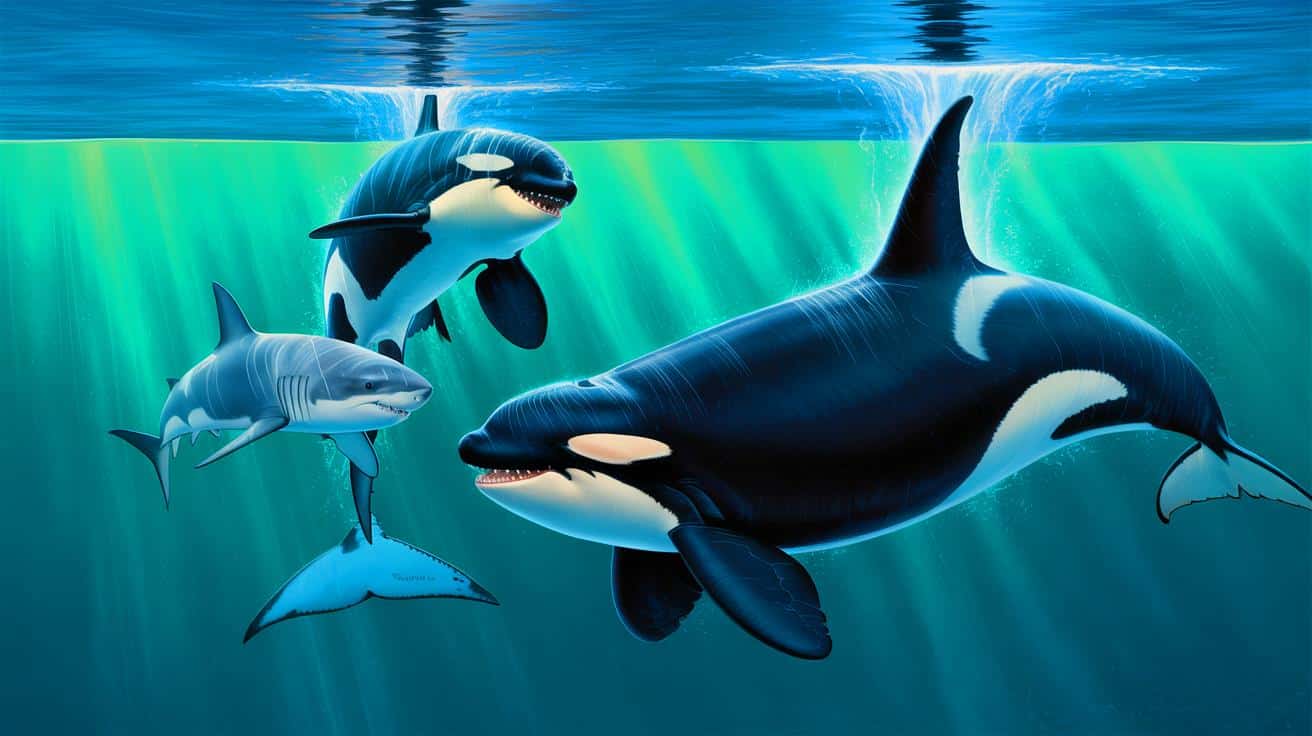
In the Gulf of California, a group of orcas, known as Moctezuma’s pod, has been observed employing a sophisticated hunting technique to prey on young great white sharks. This behavior, captured on film, reveals the orcas’ ability to flip the sharks onto their backs, targeting their nutrient-rich livers. Researchers believe that changes in ocean temperatures may have pushed these inexperienced juvenile sharks into new regions, making them more accessible to the orcas. This observation suggests that orcas might target white sharks more often than previously thought, although further research is needed to confirm this pattern.
Orcas’ Intelligent Hunting Tactics
Orcas are renowned for their intelligence and social learning abilities, traits that are vividly showcased in their hunting techniques. Erick Higuera Rivas, a marine biologist, emphasizes that orcas’ behaviors are passed down through generations within their pods. This particular hunting method, targeting sharks, reflects their strategic thinking and ability to adapt to environmental changes. By flipping sharks onto their backs, orcas induce a state of tonic immobility in their prey, rendering them defenseless.
This temporary paralysis allows the orcas to access and consume the sharks’ nutrient-rich livers. The refined technique minimizes the risk of injury to the orcas, as they target smaller, less experienced sharks that are less capable of defending themselves or escaping. The observed incidents, documented during regular monitoring, highlight the orcas’ coordinated attacks and their ability to exploit the vulnerabilities of juvenile sharks.
Documented Encounters and Observations
Researchers documented two separate hunting events involving Moctezuma’s pod. The first incident, recorded in August 2020, involved five orcas pursuing a juvenile white shark. They worked together to turn it over and extract its liver. The team recorded similar behavior two years later, in August 2022, when five orcas targeted another young white shark. The predators flipped the shark onto its back, causing it to bleed from the gills before harvesting its liver.
These encounters provide crucial insights into the orcas’ hunting strategies and their ability to adapt to changing environments. According to Dr. Salvador Jorgensen of California State University, this is the first time researchers have observed orcas repeatedly targeting juvenile white sharks. The documented behavior raises questions about whether white sharks’ anti-predator responses are instinctual or learned over time.
Impact of Environmental Changes
Environmental changes, particularly shifts in ocean temperatures, may be influencing the interactions between orcas and sharks. Climate cycles such as El Niño have altered white shark nursery zones, bringing more juveniles into areas like the Gulf of California. This change in habitat could provide the orcas with new hunting opportunities, as inexperienced sharks become more accessible targets.
While these observations are limited, they suggest a potential shift in the orcas’ diet. Researchers plan to conduct further studies to determine if white sharks are a regular part of Moctezuma’s pod’s diet or if the orcas are simply taking advantage of the available prey. Understanding these dynamics could help scientists identify critical habitats and develop management plans to mitigate human impact on these marine ecosystems.
Future Research and Conservation Efforts
Expanding our knowledge of orcas’ feeding behaviors is essential for conservation efforts. Dr. Francesca Pancaldi of the Instituto Politécnico Nacional highlights the importance of understanding the orcas’ diet and habitats to create protected areas and management plans. However, studying orca hunts is challenging due to the rarity and expense of monitoring these events.
Future research will focus on gathering more data on Moctezuma’s pod and their interactions with sharks. By generating information about their feeding habits, scientists aim to better understand the ecological role of orcas in the region. Such insights could inform conservation strategies and help protect these intelligent predators and their prey from the impacts of human activities and environmental changes.
The observations of Moctezuma’s pod in the Gulf of California offer a glimpse into the complex interactions between orcas and their environment. As scientists continue to study these remarkable creatures, they hope to uncover more about their behaviors and the ecological factors influencing their hunting strategies. The findings could have significant implications for marine conservation efforts. How will future research shape our understanding of orcas and their role in the ecosystem?

Wow, who knew orcas were such strategic hunters? 🐋
Wow, orcas are smarter than I thought! 🐋
Are there any videos of these hunting techniques? I’d love to see them in action!
So cool to see nature in action! But is there a risk to the shark population?
This is fascinating, but I’m worried about the sharks. Are they going extinct?
Did anyone else think of “Free Willy” while reading this? 😂
So orcas are basically the ninjas of the sea? 🤔
Can’t believe orcas can flip sharks like pancakes! 🥞
Are there any other animals that perform tonic immobility on their prey?
How do researchers know this isn’t just a one-time behavior?
Great article! Appreciate the detailed research on orca behavior. 👍
This article just changed my entire perception of orcas. Thank you!