


| IN A NUTSHELL |
|
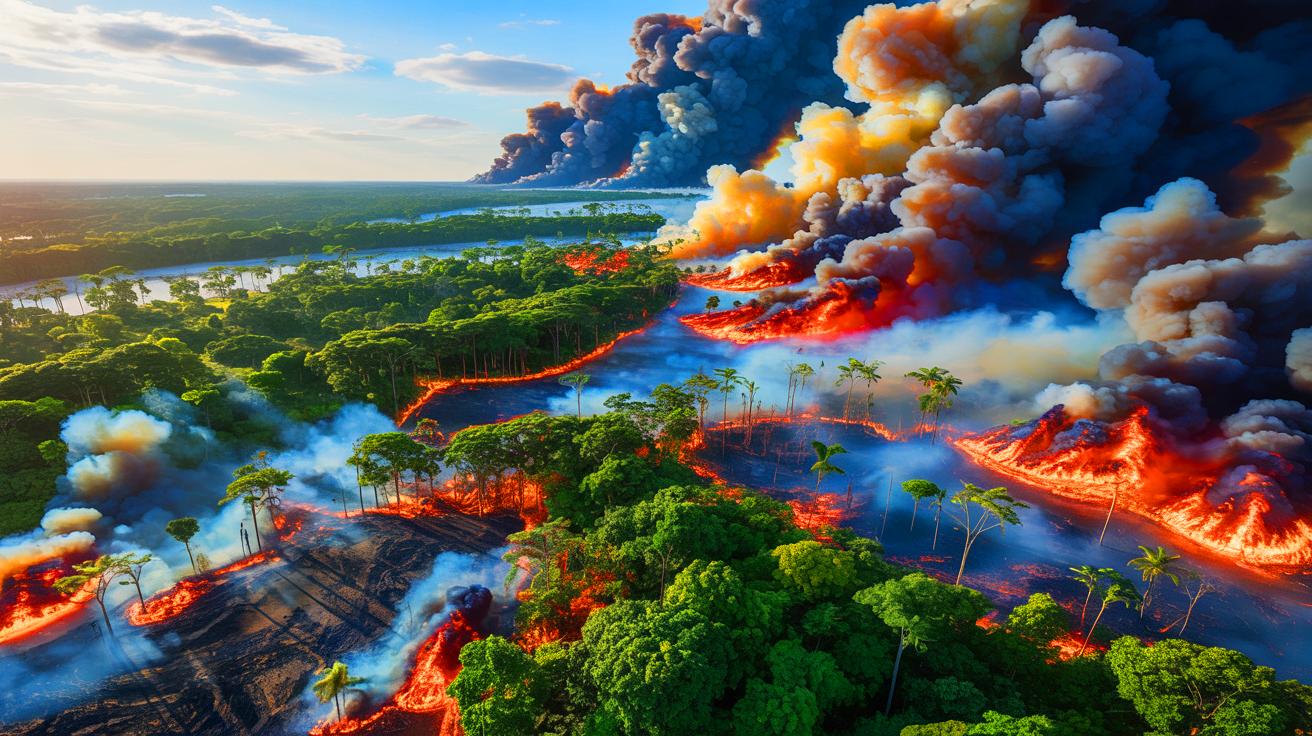
The Amazon rainforest, often dubbed the “lungs of the planet,” faced an unprecedented crisis in 2024. Fires engulfed 3.3 million hectares, roughly equivalent to the size of Belgium, leaving a scar on this vital ecosystem. The fires released an astonishing 791 million tons of carbon dioxide, paralleling Germany’s annual emissions. This catastrophic event marked a turning point, as fire-induced degradation overtook deforestation as the primary source of carbon emissions from the Amazon. Researchers emphasize that this degradation poses an insidious threat, challenging both local management and global environmental policies.
Amazon: Drought and Mismanagement
The Amazon rainforest is a cornerstone of global biodiversity and climate stability. Its vast expanse acts as a critical carbon sink and plays a significant role in regulating weather patterns worldwide. However, a recent study has highlighted a growing crisis. The fires of 2024 were not merely natural occurrences but rather the result of a complex interplay between climatic conditions and human activities.
One of the primary factors contributing to this disaster was the severe drought exacerbated by climate change. Extended dry periods left the forest highly susceptible to fires. Additionally, forest fragmentation made these areas easy targets for fire spread. Human activities, including land mismanagement, further compounded the issue. Both intentional fires set by land grabbers and accidental ones contributed significantly to the problem.
The geographical spread of the fires was alarming. Brazil recorded its highest emissions from forest degradation ever, while Bolivia saw over 9% of its remaining intact forests affected. This highlights the urgent need for comprehensive strategies to address both environmental and human-induced factors contributing to the Amazon’s vulnerability.
Insidious Threat of Degradation
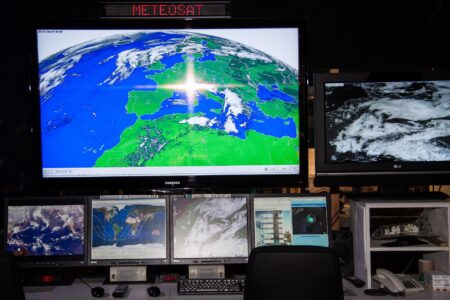
The study employed advanced satellite technology to detect and analyze the fires with precision. By integrating data from the Tropical Moist Forest monitoring system and the Global Wildfire Information System, researchers were able to differentiate between genuine forest fires and false signals like agricultural burns. This meticulous approach provided a clear picture of the degradation occurring beneath the forest canopy.
One of the most concerning findings is the distinction between deforestation and degradation. While deforestation is easily visible, degradation often goes unnoticed. These areas may appear untouched from above but have suffered significant biomass and ecological loss. This degradation is frequently overlooked in national and international environmental assessments, posing a substantial threat to global climate goals.
The study calls for enhanced climate finance mechanisms that recognize and address both deforestation and degradation. The researchers stress the importance of international cooperation to implement policies that curb fire usage, strengthen forest protection, and support conservation efforts led by local and indigenous communities.
Urgent Need for Global Action
The 2024 fires have underscored the urgent need for a global response to the Amazon crisis. The potential tipping point for the rainforest, projected as early as 2050, demands immediate action. The degradation of the Amazon has far-reaching implications, not only for the biodiversity within but also for the global climate.
Researchers urge a multi-faceted approach to mitigation. This includes stricter land management policies, increased funding for conservation, and international collaborations focused on sustainable practices. Highlighted in the study is the critical role of local and indigenous communities, whose traditional knowledge and practices are invaluable in preserving the rainforest.
As the world grapples with the consequences of climate change, the Amazon serves as a crucial battleground. The challenges it faces are emblematic of broader environmental issues that require coordinated global efforts to solve. The study’s findings, published in Biogeosciences, serve as a clarion call for action before it’s too late.
Future Implications and Questions
The devastating fires in the Amazon have opened a Pandora’s box of questions about the future of our planet. The scale of carbon emissions and the extent of forest degradation underscore the urgency of addressing climate change at both local and global levels. The Amazon’s fate is intricately tied to global environmental health, making its preservation a priority for all nations.
As scientists and policymakers work to address these challenges, the role of international cooperation becomes increasingly evident. How can nations collaborate more effectively to combat deforestation and degradation? What steps can be taken to ensure the sustainability of the Amazon and its surrounding communities? These questions remain at the forefront of environmental discourse as the world seeks solutions to preserve one of its most precious resources.

Wow, the Amazon’s burning is really alarming! How can we help from afar? 🌍
Why is it that every year we hear about fires in the Amazon but see little action to prevent them? 🤔
Is there anything being done to prevent this from happening again next year?
This article is alarming. Thank you for shedding light on this critical issue. 🌍
This article is really eye-opening… thanks for sharing this vital info! 🙏
Is the Amazon fire crisis linked to any specific policies in Brazil?
Germany’s emissions level?! That’s insane! Why aren’t world leaders doing more?
Isn’t this the plot of every apocalyptic movie ever? 😅
Wow, the Amazon is burning, and we’re just watching like it’s a Netflix show! 😢
Can we trust these numbers, or is this just sensational journalism?
How accurate are these carbon emission estimates, and what methods were used to calculate them?
How come Germany gets dragged into this? Just leave them out of it!