


| IN A NUTSHELL |
|
In an astonishing turn of events, scientists working alongside Will Smith for a National Geographic show have stumbled upon a discovery that could reshape our understanding of the Amazon’s wildlife. Deep within the Ecuadorian Amazon, a new species of giant anaconda has been uncovered, marking a significant milestone in herpetology. This groundbreaking find, made during the filming of a National Geographic series, has captivated the scientific community and promises to unlock new secrets about these elusive reptiles.
A Discovery Like No Other
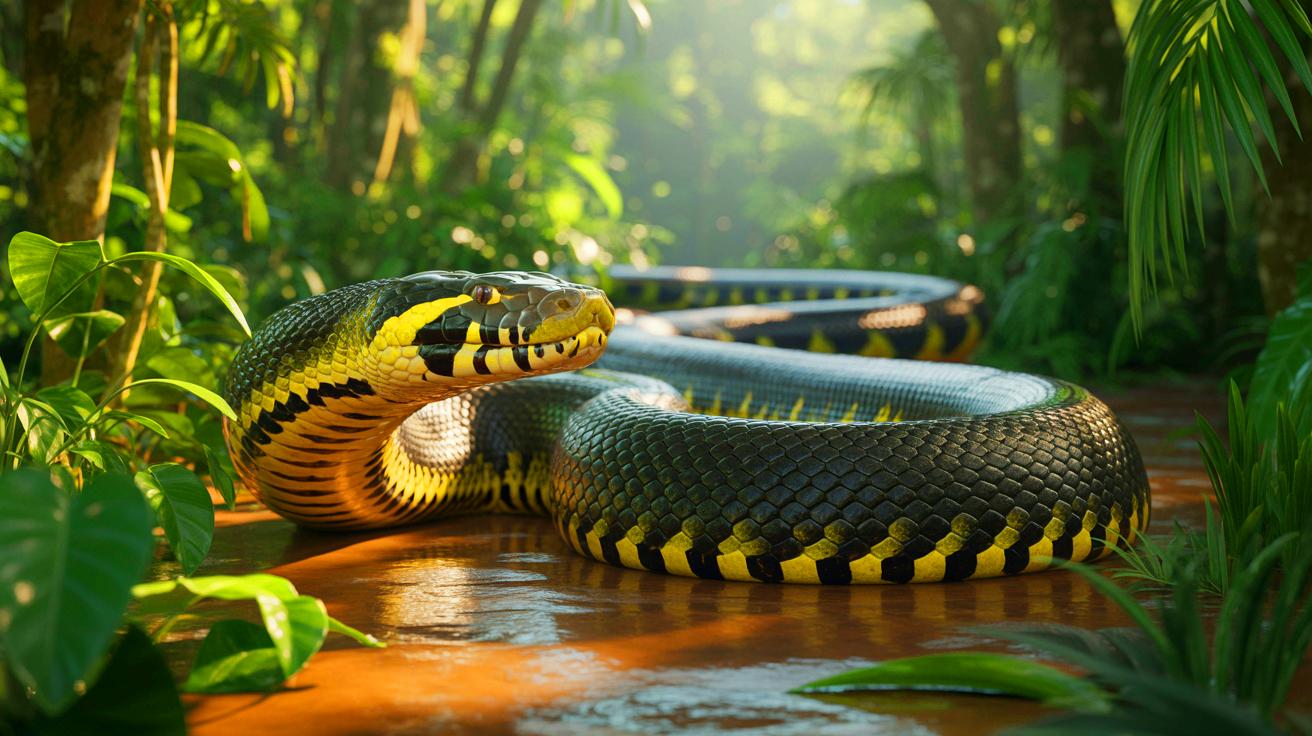
While filming in the dense jungles of the Ecuadorian Amazon, a team led by Professor Bryan Fry from the University of Queensland made a find that has left the scientific world in awe. In the remote Bameno region of the Baihuaeri Waorani Territory, an area seldom visited by outsiders, they discovered a new species of anaconda. This species, now identified as the northern green anaconda (Eunectes akayima), challenges previous records with its potential to grow beyond 20 feet in length.
The discovery occurred during the filming of the National Geographic series “Pole to Pole with Will Smith,” adding a layer of intrigue and excitement to an already thrilling expedition. This find not only adds a new chapter to the study of anacondas but also highlights the rich biodiversity of the Amazon, an ecosystem that continues to surprise and amaze scientists and explorers alike.
The Hunt for the Biggest Snake in the World
Embarking on a 10-day expedition, the team of scientists, guided by indigenous hunters, set out to uncover the truth behind local legends of enormous snakes. Paddling through river systems in traditional canoes, the team successfully captured several specimens of the gigantic anacondas. Among them was a specimen measuring a remarkable 20.7 feet.
This expedition was not just a journey through the thick Amazon jungle but a quest to document and understand the world’s largest snakes. The collaboration between scientists and indigenous people played a crucial role in navigating the challenging terrain and accessing areas where these colossal snakes reside. This partnership underscores the importance of local knowledge in scientific discovery and conservation efforts.
The Local Legend: Snakes Growing Over 24 Feet?
What makes this discovery even more intriguing are the age-old legends of the local Waorani people. According to these indigenous narratives, some of these giant anacondas are believed to grow even larger than what the team captured, potentially exceeding 24 feet in length. If substantiated, this would make the northern green anaconda the largest snake species known to humankind.
The Waorani hold these snakes in high regard, considering them sacred. Their tales of mammoth snakes surpassing 7.5 meters (over 24 feet) add a fascinating cultural dimension to this scientific discovery. The blending of scientific exploration with indigenous folklore creates a rich tapestry of knowledge that both respects and utilizes traditional beliefs and modern science.
The Amazon’s Hidden Giant
The expedition posed numerous challenges, requiring the team to navigate the intricate river systems of the Amazon to reach the secluded habitats of these giant snakes. The anacondas were typically found in shallow waters, lying in wait for prey. The largest anaconda captured during the expedition was an impressive 20.7 feet long.
This discovery raises profound questions about the biodiversity of the Amazon and what other secrets may still be hidden within its vast, untapped wilderness. Could there be even larger anacondas waiting to be discovered? As the northern green anaconda rewrites the record books, the Amazon remains a mysterious frontier, holding untold stories and discoveries that challenge our current understanding of nature.
The revelation of the northern green anaconda is a testament to the enduring mysteries of the Amazon and the potential for new scientific discoveries. As researchers continue to explore this vast ecosystem, they might uncover even more astonishing findings. What other secrets might the Amazon hold, and how will they shape our understanding of the natural world?



Wow, Will Smith in the Amazon? That’s quite the unexpected adventure! 🐍
I wonder how they verify the size of these snakes? Tape measure or something more high-tech?
Is this new anaconda species dangerous to humans?
Thank you for highlighting the role of indigenous guides in this expedition. 🙏
Did they catch the anaconda or just see it?
I’m skeptical. Could this be an exaggeration for the cameras?
Why are they called “northern” green anacondas?
How many people does it take to capture a 20-foot snake?
Is there a footage of Will Smith reacting to the snake? That would be epic! 😂
Props to the brave crew for venturing into such remote areas.
Do these snakes have any natural predators?
Is it really a new species or just a larger known species?
So, when’s the documentary coming out? Can’t wait to watch it! 🎥
Could these anacondas become invasive if transported elsewhere?
This sounds like a plot from a sci-fi movie!
Amazing discovery! Nature never ceases to amaze me.
Can this snake eat a whole deer? 😲
Is Will Smith a herpetologist now? LOL
Are there any conservation efforts in place for these anacondas?
How did they ensure their safety around such large snakes?
Was this the first time Will Smith has been to the Amazon?
It’s crazy to think there are still undiscovered species out there!
Do the local legends have any tales of these snakes eating people?
Wait, this is real? I thought it was just a promo for a movie! 🤔
Will Smith should do more nature shows. He’s a natural explorer!
How do these anacondas compare to the pythons in Asia?
Are these snakes nocturnal or active during the day?
This is why I never go camping. Too many hidden surprises!