


| IN A NUTSHELL |
|
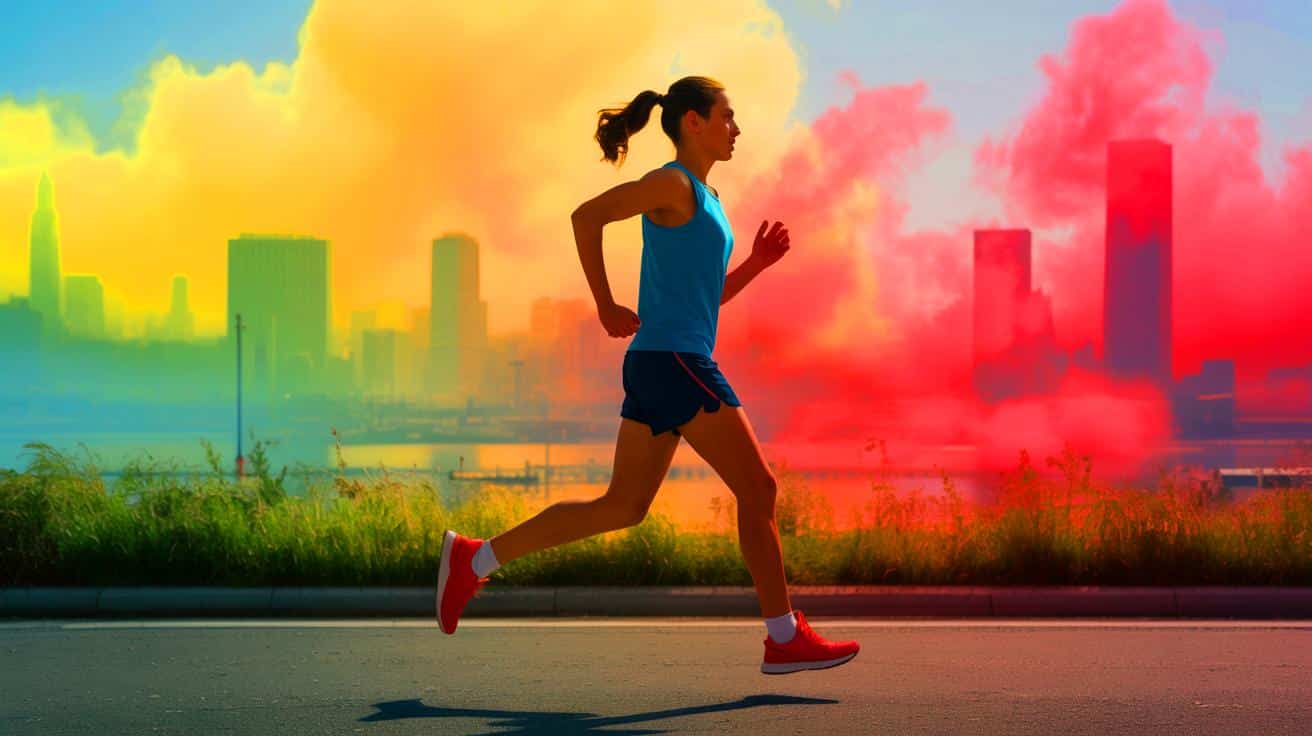
New research reveals that long-term exposure to polluted air may significantly reduce the positive health effects of regular physical activity. The study, conducted by an international team, including experts from University College London, analyzed data from over 1.5 million adults across several countries. It found that individuals living in areas with high air pollution experienced a smaller reduction in their risk of death, despite the known benefits of exercise. This research underscores the complex relationship between environmental factors and public health, highlighting the need for improved air quality to fully harness the health benefits of physical activity.
Understanding Fine Particle Pollution and Its Health Impact
The research focused on fine particulate matter, or PM2.5, which consists of tiny particles less than 2.5 micrometers in diameter. Due to their minuscule size, these particles can penetrate deep into the lungs and enter the bloodstream, posing significant health risks. The study revealed that the benefits of exercise diminish sharply when annual average PM2.5 levels reach 25 micrograms per cubic meter (μg/m3) or higher. Shockingly, nearly half of the global population resides in regions with pollution levels at or above this threshold.
Professor Po-Wen Ku from National Chung Hsing University, Taiwan, emphasized that while exercise remains beneficial in polluted environments, improving air quality can significantly enhance these benefits. Co-author Professor Andrew Steptoe from UCL highlighted the importance of both clean air and physical activity for healthy aging. Despite the adverse effects of pollution, the findings suggest that some health advantages of exercise persist, reinforcing the need for policies that target pollution reduction to maximize public health benefits.
Large-Scale Analysis Unveils Clear Risk Patterns
The study’s comprehensive analysis combined data from seven existing studies, including previously unpublished research. The findings demonstrated that adults engaging in at least two and a half hours of moderate or vigorous exercise per week had a 30% lower risk of death compared to those who did not meet this activity level. However, for individuals in areas where PM2.5 pollution exceeded 25 μg/m3, this protective effect dropped to 12-15%.
These statistics highlight the profound impact of air quality on the health benefits of exercise. The research suggests a need for increased public awareness and policy interventions to address air pollution. By focusing on reducing PM2.5 levels, communities can better support the health and well-being of their residents. The study serves as a critical reminder of the interconnectedness of environmental and public health issues and the importance of holistic approaches to health promotion.
Higher Pollution Levels Weaken Exercise Benefits Further
The study further revealed that when pollution levels rose above 35 μg/m3, the benefits of exercise diminished even more, particularly concerning deaths linked to cancer. About 36% of the global population lives in areas where yearly PM2.5 averages exceed this level. In such conditions, the protective effects of physical activity are significantly reduced, emphasizing the pressing need for effective pollution control measures.
Participants from the UK experienced average PM2.5 levels of 10 μg/m3, below the thresholds associated with strong reductions in exercise benefits. However, pollution in UK cities can fluctuate, with winter spikes often exceeding 25 μg/m3. Professor Paola Zaninotto from UCL advises individuals not to be discouraged from exercising outdoors but to monitor air quality, choose cleaner routes, or reduce exercise intensity on polluted days. Such strategies can help individuals maximize the health advantages of their physical activities while mitigating the risks posed by environmental factors.
Study Limitations and the Broader Context
While the study provides valuable insights, the authors acknowledge several limitations. Most data came from high-income countries, potentially limiting its applicability to low-income regions where pollution levels can surpass 50 μg/m3. Moreover, indoor air quality and participants’ dietary information were not accounted for, which could influence the study’s outcomes.
Nonetheless, the research controlled for numerous variables, including income, education, smoking habits, and chronic health conditions. The international collaboration involved researchers from the UK, the United States, Australia, and Asia, with funding from Taiwan’s National Science and Technology Council and other institutions. This study adds to the growing body of evidence on the detrimental effects of fine particle pollution, calling for concerted global efforts to address this critical public health challenge.
The findings of this research highlight the intricate balance between environmental health and personal well-being. As air pollution continues to pose significant challenges globally, the question remains: How can societies effectively curb pollution levels to ensure that the benefits of exercise and other health-promoting activities are fully realized for all individuals?



Wow, I had no idea pollution could affect exercise benefits so much. 😲 Thanks for the eye-opener!
Wow, this is eye-opening! I never considered how air pollution could impact my workout routine. 🏋️
So does this mean I should just give up on running outside? 😟
So, should we all just start exercising indoors now?
Thank you for bringing this to light. Time to invest in an air purifier, I guess!
Is there a list of cities with the best air quality for exercising? 🌍
Interesting read, but I wonder if air quality improvements are realistic in big cities?
I live in a highly polluted city; any tips on how to still get the most out of my workouts?
This is concerning. Why aren’t governments doing more to reduce pollution?
Are there any specific exercises that are less impacted by air pollution?
Should I switch to indoor exercises instead? 🤔
Great article! But are there any studies about the impact of indoor air pollution on exercise?
This is shocking and concerning, especially for those living in highly polluted areas.
This makes me wonder about how athletes manage to train in polluted areas. 🏃♀️
I guess it’s time to invest in a good air purifier for my home gym! 😂
Pollution is ruining everything, even our health gains. What’s next? 😡
How reliable is the data from the research? I’m a bit skeptical about these findings. 🤨