




| IN A NUTSHELL |
|
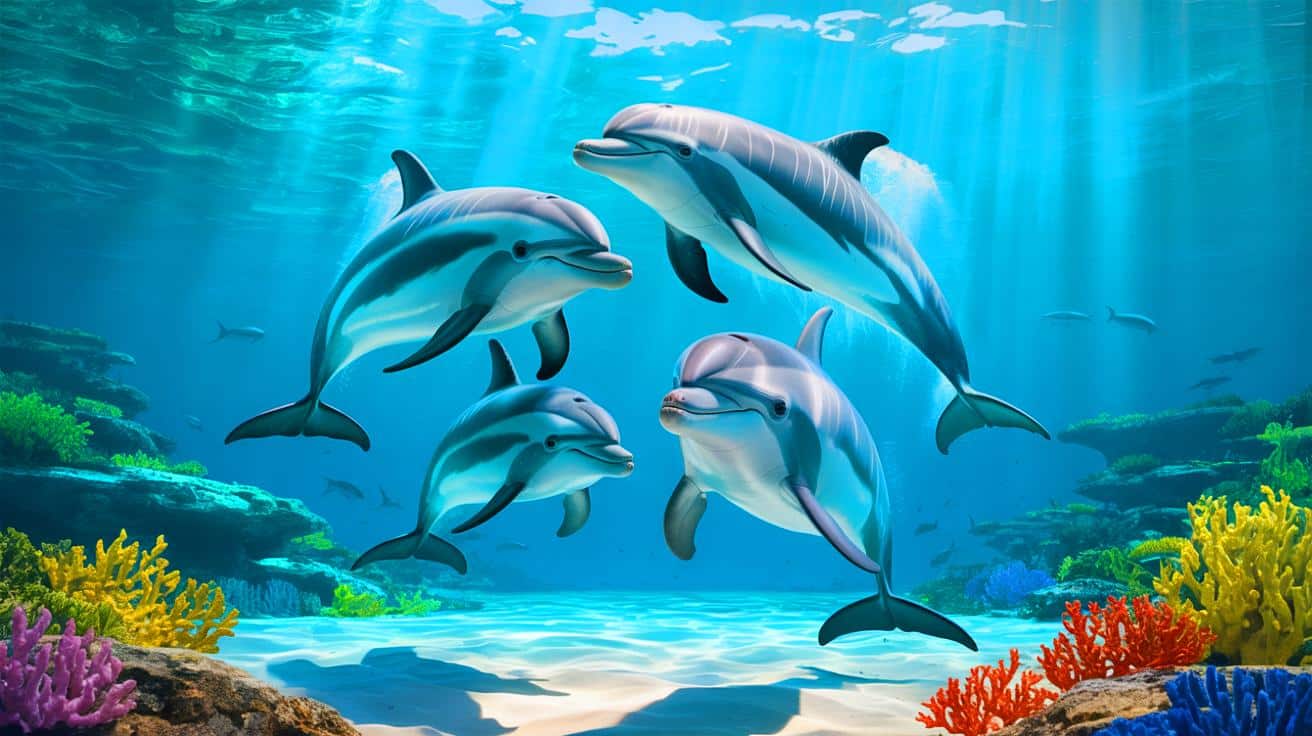
Hector’s Dolphins, the world’s smallest marine dolphins, are renowned for their acrobatic abilities, yet these very skills may lead them into perilous situations. A recent study conducted by the University of Auckland highlights the fascinating underwater choreography of these dolphins, revealing a complex array of behaviors that pose significant challenges for their conservation. As researchers uncover more about these dolphins’ deep-sea diving and feeding strategies, the urgency to enhance protection measures becomes increasingly evident. Despite existing safeguards, the current understanding of these dolphins’ behaviors suggests that more robust conservation strategies are necessary to mitigate the risks they face.
Revealing the Secrets of Hector’s Dolphins
In an effort to understand the enigmatic behaviors of Hector’s Dolphins, scientists from the University of Auckland utilized high-resolution biologging devices known as DTAGs. These advanced tools, attached to the dolphins using suction cups, recorded detailed data on their movements, diving depths, and echolocation activity. The study, focusing on 11 dolphins in Cloudy Bay, New Zealand, unveiled astonishing insights into their underwater acrobatics and feeding strategies.
The research revealed that these 4.6-foot-long dolphins are capable of performing extraordinary maneuvers such as barrel rolls and upside-down swimming near the seabed. They dive to depths of nearly 400 feet, far surpassing previous estimates. Their feeding strategies are equally diverse; near the seabed, they cruise slowly to capture flatfish and cod, while in midwater, they accelerate and perform barrel rolls to catch schooling fish. Remarkably, some dolphins venture beyond marine protection zones, diving deeper at night in offshore waters.
These complex behaviors, while enhancing hunting efficiency, also increase the dolphins’ vulnerability to fishing gear. The study’s findings highlight the need for more comprehensive protection strategies to safeguard these dolphins from potential threats like gillnets and trawls.
Understanding the Risks and Challenges
Hector’s Dolphins face significant challenges due to their intricate behaviors and hunting strategies. The study’s authors emphasize the importance of the DTAG technology in understanding the potential risks these dolphins encounter, especially interactions with fishing gear and vessels. The research indicates that during travel, some dolphins reduce echolocation, potentially impairing their ability to detect obstacles such as fishing nets.
Given that these dolphins often dive beyond established marine protection zones, the study underscores the inadequacy of current conservation measures. The International Union for Conservation of Nature lists Hector’s dolphins as endangered, necessitating urgent updates to existing strategies based on the newfound understanding of their behaviors. Researchers assert that these dolphins’ agility and hidden habits place them at a greater risk than previously acknowledged, calling for a reassessment of conservation efforts to ensure their survival.
The Call for Enhanced Conservation Measures
As the study in Conservation Letters illuminates the remarkable underwater agility of Hector’s Dolphins, it also serves as a critical call to action. The researchers’ findings highlight the pressing need for updated conservation measures that account for the dolphins’ complex behaviors and the risks they face in their natural habitat. The current protective measures, primarily based on surface observations, fail to address the full scope of threats these dolphins encounter.
To safeguard the future of Hector’s Dolphins, conservationists and policymakers must incorporate the latest research into their strategies. This involves expanding marine protection zones and implementing more effective fishing restrictions that reflect the dolphins’ diving patterns and feeding habits. By aligning conservation efforts with scientific insights, there is hope for a more secure future for this endangered species.
Implications for Marine Conservation Strategies
The revelations about Hector’s Dolphins provide valuable insights into broader marine conservation efforts. Understanding the intricate behaviors of these dolphins not only aids in their protection but also informs strategies for preserving other marine species facing similar threats. The study exemplifies the significance of advanced research tools like DTAGs in unveiling the hidden lives of marine creatures and the challenges they confront in their environments.
“Despite this being a preliminary study, we can clearly see the value of the DTAG for understanding risks such as interactions with fishing gear or vessels,” the study authors noted. Their work highlights the necessity of continued research to minimize risks to marine life and improve conservation outcomes.
As scientists and conservationists work together to protect marine biodiversity, the insights gained from studying Hector’s Dolphins can guide efforts to preserve the ecological balance of the oceans. The study serves as a reminder of the intricate connections between marine species and the importance of informed conservation strategies.
The study of Hector’s Dolphins offers a glimpse into the complex and often perilous lives of these remarkable creatures. As researchers continue to uncover the dolphins' hidden behaviors, the urgency to enhance conservation measures becomes increasingly apparent. How can we leverage scientific advancements to better protect endangered marine species and ensure the health of our oceans for future generations?

Wow, those dolphins are like the acrobats of the sea! 🐬
Wow, those dolphins are amazing! But why are they diving so deep? 🐬
How can we help protect these amazing creatures?
Is it really necessary to use DTAGs? Can’t we just observe them naturally?
This is fascinating! I had no idea dolphins could dive so deep.
Thank you for highlighting the urgency of dolphin conservation. 🙏
Are there any specific conservation measures being proposed?
Are there specific fishing restrictions proposed to help these dolphins?
Great article! Thanks for shedding light on this important issue.
Great article! I didn’t know dolphins could dive that deep. 🐟
These dolphins are so talented, but it’s sad they’re at risk. 😢
Why don’t we have better protection measures already in place?
Why aren’t the current protection measures enough?
How does DTAG technology work exactly?
Don’t the dolphins get dizzy with all those barrel rolls?
It’s a shame that their skills could lead them to danger.
Awesome research! I hope it leads to real change.
Can these dolphins be trained to avoid fishing gear?
Incredible how much we still have to learn about marine life!
Thanks for the detailed explanation of the study. 👍
Is there any way to track these dolphins in real-time?
So, what’s being done about the fishing gear problem?
These dolphins deserve better protection. Let’s make it happen!
It’s amazing how agile they are underwater.
I hope more people read this and take action.
Could marine protection zones be expanded easily?
Their underwater acrobatics sound like a ballet!
What other marine animals are at similar risk?
This is both fascinating and concerning. 😕
More research like this is needed to protect our oceans.
Are Hector’s Dolphins found anywhere else besides New Zealand?
Such a well-written piece, thank you for the insights!
Is there any video footage of these dolphins in action? 🎥
Why are existing conservation measures so inadequate?
Let’s hope this study brings about the changes needed.
Who would have thought dolphins could be such daredevils!