




| IN A NUTSHELL |
|
In the aftermath of the Chernobyl disaster, scientists and observers have long been puzzled by the persistent radioactivity of wild boars in the region. While other animal species have gradually recovered, these boars remain strikingly contaminated. Surprisingly, recent findings suggest that the infamous 1986 explosion is not the sole contributor to this phenomenon. Instead, attention has shifted to historical sources of radiation that continue to impact the environment. This revelation underscores the complexity of the radioactivity landscape in and around Chernobyl, turning the region into a living laboratory for understanding long-term nuclear effects.
Unraveling the Mystery of Radioactive Boars
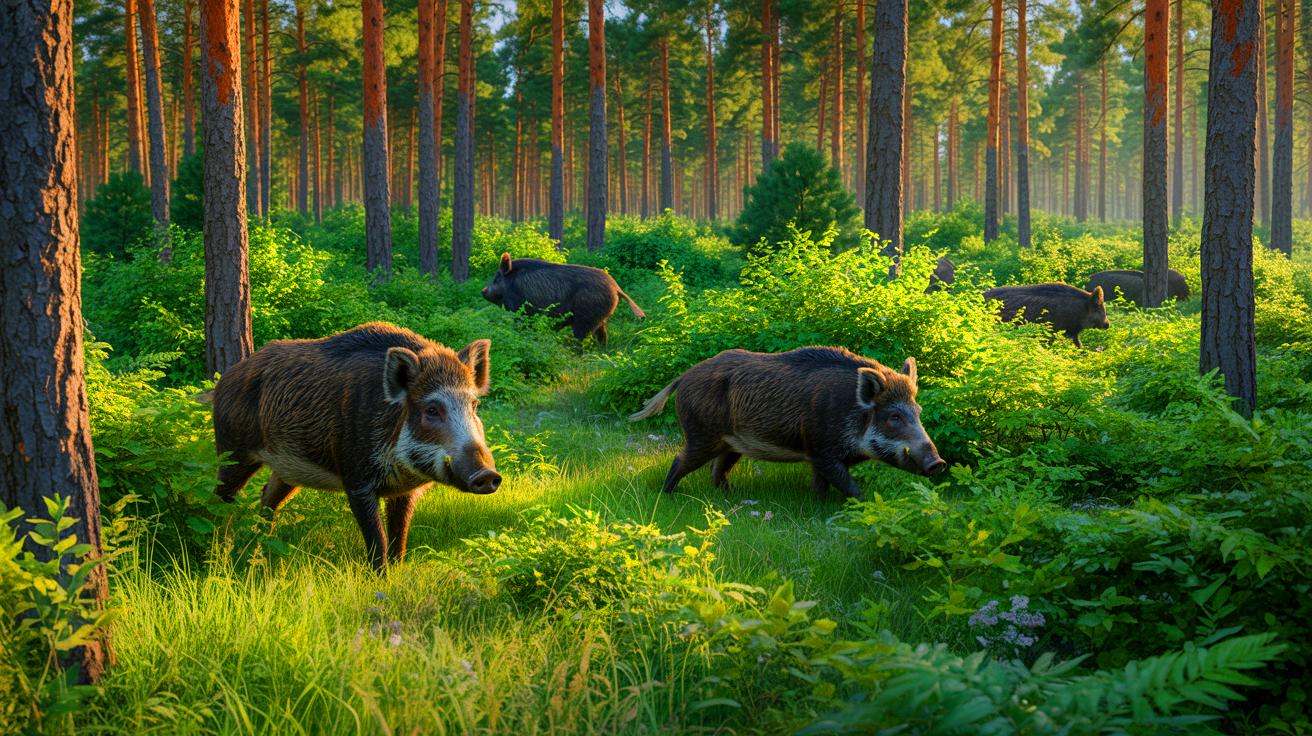
The resilience of wild boars in the Chernobyl exclusion zone has baffled scientists for decades. Unlike other species whose contamination levels have decreased, these boars show persistent radioactivity. Researchers have focused on cesium-137, a highly contaminating isotope with a half-life of about 30 years. Given this, one would expect a significant reduction in contamination over time. However, the boars’ contamination remains stubbornly high, raising questions about the factors at play.
Initially, the blame was placed on the exclusion zone’s high contamination levels. Yet, a recent study challenges this assumption, suggesting that other historical sources may contribute to the radiation levels found in these boars. This revelation not only shifts the focus from Chernobyl but also highlights the enduring impact of past nuclear activities on the environment.
The Overlooked Source of Radiation
A surprising discovery has brought attention to another cesium isotope, cesium-135. Unlike cesium-137, this isotope is not primarily from the Chernobyl accident. Research has shown that a significant portion of cesium-135 found in wild boars originates from nuclear tests conducted during the Cold War. These atmospheric tests, carried out in the 1950s and 1960s, contributed to the widespread dispersal of radioactive material across Europe.
It is estimated that nearly 70% of the cesium-135 measured today in Europe is a remnant of these nuclear tests, rather than the Chernobyl disaster. This finding not only provides a new perspective on the origins of radioactivity in wild boars but also highlights the long-lasting environmental legacy of nuclear testing. The research underscores the importance of considering multiple sources of contamination when assessing the impact of nuclear activities.
Implications for Environmental Science
The persistence of radioactivity in Chernobyl’s wild boars offers valuable insights into the long-term effects of nuclear contamination. The discovery that Cold War-era nuclear tests contribute significantly to current radiation levels in these animals challenges previous assumptions. It emphasizes the need for a broader perspective when examining the environmental consequences of nuclear events.
This finding has implications beyond Chernobyl, as it suggests that historical nuclear activities continue to affect ecosystems worldwide. Understanding the interplay between different sources of radiation can inform future policy decisions and environmental management strategies. It also highlights the importance of ongoing research to fully comprehend the complex dynamics of nuclear contamination and its impact on biodiversity.
The Future of Chernobyl’s Living Laboratory
The forests surrounding Chernobyl remain a unique research site for studying the effects of nuclear contamination. The area’s wildlife, particularly the resilient wild boars, serves as a critical indicator of the long-term impacts of radiation. As scientists continue to explore the origins and consequences of contamination, new revelations may emerge, offering deeper insights into the environmental and biological dynamics at play.
Moving forward, the challenge lies in addressing the lingering effects of both Chernobyl and historical nuclear tests. How can we mitigate the impact of past nuclear activities on the environment and ensure the safety and sustainability of affected ecosystems? The answers to these questions will shape our understanding of nuclear legacy and guide future efforts to protect our planet’s natural heritage.
The enduring radioactivity in Chernobyl’s wild boars serves as a stark reminder of the complex legacy of nuclear activities. As researchers continue to unravel the mysteries of this contamination, they are faced with broader questions about the long-term environmental impacts of nuclear events. What steps should be taken to address the ongoing effects of historical nuclear tests, and how can we better protect our ecosystems from future contamination?



Wow, glowing boars! Sounds like something out of a sci-fi movie. 🐗✨
Are the boars dangerous to humans, or is it just an environmental issue?
This is such a fascinating read. Thank you for shedding light on this topic!
How do they measure the radioactivity levels in these boars? 🧪
Boars glowing like 100 suns? That’s quite an exaggeration. 😅
I can’t believe Cold War tests are still affecting wildlife today. Mind-blowing.
Is it safe to eat these boars if they’re hunted? Asking for a friend… 😜
This article raises more questions than it answers. What are the next steps?