




| IN A NUTSHELL |
|
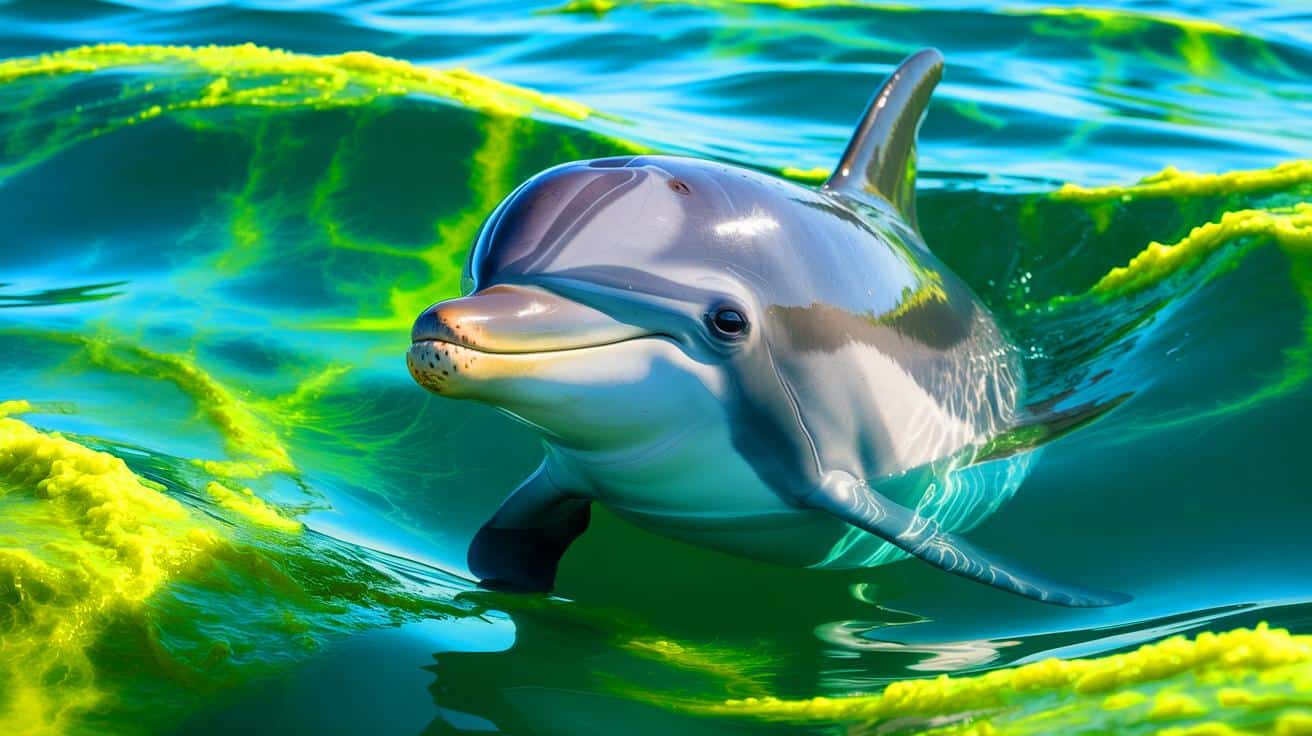
In recent years, scientists have been investigating the alarming rise of dolphin strandings along the coasts of Florida. A new study has raised the possibility that brain damage linked to Alzheimer’s disease might be a contributing factor. Researchers examined 20 stranded common bottlenose dolphins in the Indian River Lagoon over nearly a decade. The findings reveal troubling connections between neurodegenerative changes in dolphins and environmental factors, such as toxic algal blooms exacerbated by climate change. With dolphins serving as crucial indicators of marine health, these findings have sparked concerns about potential implications for other marine life and even human health.
Algal Blooms and Neurotoxicity in Dolphins
Scientists have long considered dolphins as environmental sentinels, alerting us to the health of marine ecosystems. The study in question analyzed the brains of stranded dolphins and found notable changes in gene expression akin to those seen in human Alzheimer’s cases. Researchers discovered clumps of proteins, a typical marker of the disease. However, the most striking finding involved dolphins stranded during algal bloom seasons. These dolphins exhibited alarmingly high levels of the neurotoxin 2,4-diaminobutyric acid (2,4-DAB), at concentrations 2,900 times greater than in dolphins stranded at other times.
Algal blooms, fueled by rising ocean temperatures, have become increasingly common, creating toxic environments for marine life. The blooms release cyanobacteria, which produce neurotoxins known to harm neurons in both animals and humans. The study suggests that these toxins may exacerbate or accelerate Alzheimer’s-like brain damage in dolphins. This discovery not only highlights the vulnerability of dolphins but also raises questions about the broader impact of these blooms on marine ecosystems.
Implications for Marine Life and Human Health
While the study primarily focuses on dolphins, the ramifications extend beyond these marine mammals. Algal blooms pose a threat to various marine species, with potential consequences cascading up the food chain. As marine life is affected, the risk of these toxins entering the human food supply increases. Previous research has linked algal bloom toxins to memory loss, a hallmark of Alzheimer’s disease. If these chemicals accumulate in substantial amounts in our diet, they could pose a significant health risk.
Researchers emphasize the need for further investigations to explore the connections between algal blooms, neurotoxins, and human neurodegenerative diseases. Although a direct link to Alzheimer’s in humans hasn’t been established, the presence of similar brain alterations in dolphins is a compelling reason for continued study. Understanding the pathways through which these toxins impact the brain could provide vital insights into protecting both marine life and human health.
The Role of Climate Change
Climate change is a critical driver behind the increasing frequency and severity of harmful algal blooms. Warmer waters create ideal conditions for cyanobacteria to thrive, leading to more frequent and widespread blooms. This environmental change poses a dual threat: it not only impacts marine biodiversity but also amplifies the risks of neurotoxic exposure to both animals and humans.
The study’s findings underscore the importance of addressing climate change to mitigate its effects on marine ecosystems. Reducing greenhouse gas emissions and implementing strategies to manage nutrient runoff can help curb the growth of these toxic blooms. By taking action, we can safeguard marine life and potentially reduce the risk of neurodegenerative diseases linked to environmental factors.
Future Research Directions
The study opens new avenues for research into the relationship between environmental toxins and neurodegenerative diseases. Scientists are particularly interested in understanding how these toxins persist in the environment and accumulate in the food chain. Some researchers have explored cyanobacteria in cycad trees, noting that these neurotoxins can endure in ecosystems and potentially impact human health.
As the evidence mounts, it becomes increasingly clear that cyanobacterial exposures may be a risk factor for Alzheimer’s disease. The research team calls for comprehensive studies to investigate these connections further. By deepening our understanding of the impact of harmful algal blooms on brain health, we can develop strategies to mitigate their effects and protect both marine and human populations.
The study of stranded dolphins and their Alzheimer’s-like brain changes offers a sobering insight into the complex interplay between environmental factors and neurodegeneration. As we continue to grapple with the challenges posed by climate change and its impact on marine ecosystems, a crucial question arises: how can we effectively address these environmental threats to safeguard both marine and human health for future generations?




Wow, who knew dolphins could get Alzheimer’s too? Climate change is seriously affecting everything! 🐬🌍
This is terrifying! 😱 How soon could this affect humans?
Wait, dolphins can get Alzheimer’s too? That’s wild!
Is there any evidence that these algal blooms could affect other marine animals in a similar way?
Can we do anything to stop these algal blooms from spreading?
I’m a bit skeptical. How do we know the algal blooms are the main cause of these changes in dolphins?
This is more serious than I thought. Thanks for the insights!
Are all dolphins affected or just specific species?
Is there any evidence that humans have been directly affected yet? 🤔
What can we, as individuals, do to help combat climate change’s impact on marine life?
The ocean is so mysterious! Who knew it could be so dangerous?
Are other marine animals showing similar symptoms?
Could dietary changes in dolphins be a factor in their brain health?
Why isn’t this being reported more widely? It’s a big deal!
Wow, connecting Alzheimer’s to the ocean is a game-changer.
Does the presence of these neurotoxins affect dolphin behavior?
Thanks for bringing this to our attention. Very informative!
Maybe we should all start wearing snorkels just in case! 😂
Why are algal blooms becoming more frequent? Is it purely climate change?
What are the long-term implications for the fishing industry?
Could this be related to pollution as well as climate change?
Are there any safe areas left in the ocean free from these blooms?
Another reason to take climate action seriously. 🌍
How reliable are these findings? Need more info!
Should we be worried about eating fish now? 🍣
Thank you for highlighting this important issue.
Is there any ongoing research to develop solutions?
Thanks for shedding light on this! It’s scary to think about the implications for humans. 😟
Alzymer in dolphins? The world’s gone crazy. 😲
Is there a way to measure these neurotoxins in seafood?
Hope we’re not next on the list. Scary stuff.
Great work by the researchers. Keep it up!
Great article, but what’s being done to address this issue?
This article just blew my mind! Dolphins are like the canaries in the coal mine for the ocean.
So dolphins are like the canaries in the coal mine for the ocean? Interesting analogy!
I think we need more studies before jumping to conclusions about humans being next. Let’s not panic. 🤔
How did scientists discover Alzheimer’s-like symptoms in dolphins?