




| IN A NUTSHELL |
|
The latest developments in submarine detection technology may be poised to revolutionize naval warfare. A team from Northwestern Polytechnical University in Xian, China, has claimed a breakthrough with a novel technique that could unveil even the most advanced stealth submarines. The ability to detect magnetic wakes left by submarines could render traditional stealth methods ineffective. This article delves into how these advancements could reshape the balance of power in naval operations, the implications for strategic military planning, and what the future holds for submarine warfare. Could this be the dawn of a new era in undersea conflict?
China’s Technological Leap in Magnetic Detection
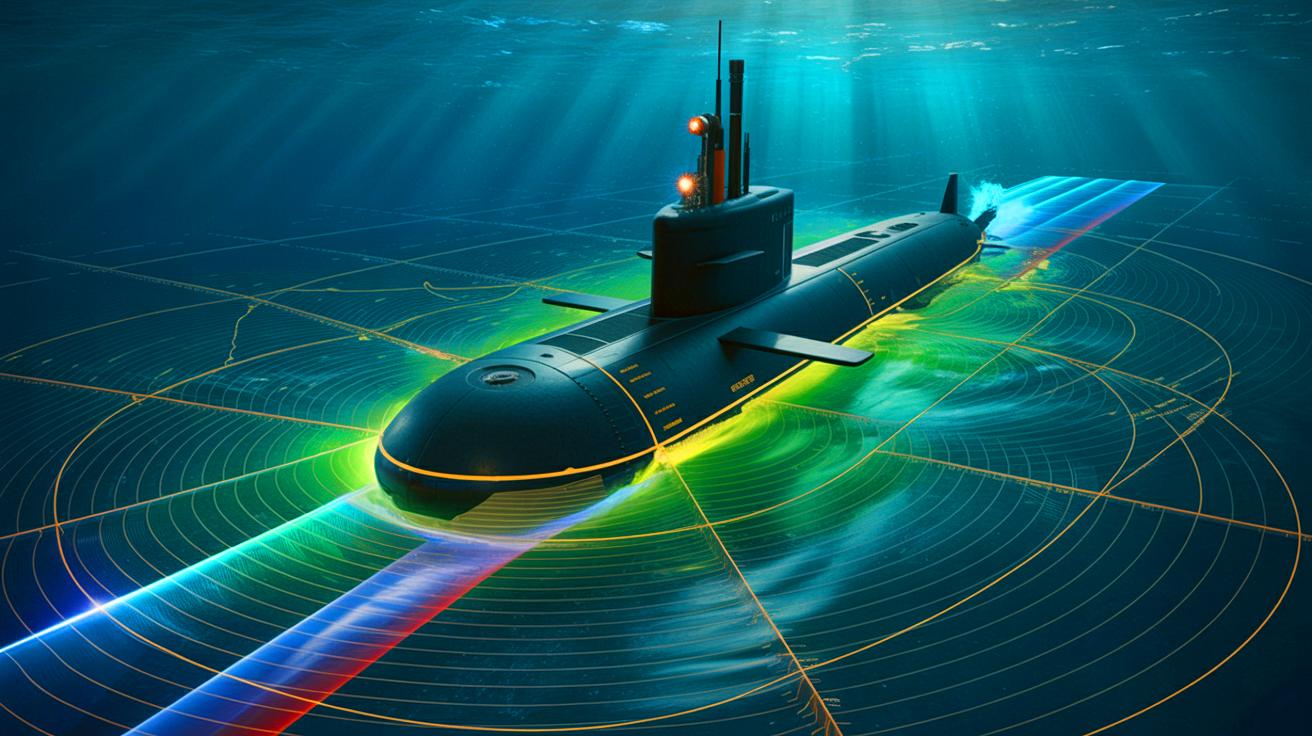
Recent research from China highlights a significant leap in magnetic detection technology. The team led by Associate Professor Wang Honglei at Northwestern Polytechnical University discovered that submarines leave magnetic wakes that can be detected using airborne magnetometers. This groundbreaking method leverages the magnetic interactions between seawater ions disturbed by a submarine’s movement and Earth’s geomagnetic field. Unlike traditional acoustic methods, these magnetic wakes cannot be silenced, offering a persistent trace of a submarine’s path.
The implications of this technology are profound. By integrating magnetic tracking into broader detection systems, China’s military could potentially transform underwater warfare. The research suggests that factors such as speed, depth, and size of the submarine influence the intensity of the magnetic signature. As China moves to incorporate this technology into its military strategy, it could challenge the dominance of stealthy submarines in contested waters.
Challenges and Limitations of Existing Detection Methods
Traditional sonar systems face significant limitations, particularly in shallow waters like the Taiwan Strait, which is less than 500 feet deep. According to experts like Bo Raskin of the Naval Submarine League, low-frequency sonar loses effectiveness due to the lack of spherical sound spreading, causing energy to be absorbed by the seabed and surface reflections. This sound channeling limits the detection range and accuracy.
Magnetic Anomaly Detection (MAD) offers a promising alternative but is not without its challenges. The non-linear relationship between a submarine’s magnetic signature and its motion complicates accurate tracking. Additionally, MAD’s short detection range makes it more suitable for close-range confirmation rather than long-range detection. Despite these challenges, MAD represents a significant step forward in submarine detection technology, especially when combined with other advanced methods.
Implications for Submarine Design and Strategy
As detection technologies evolve, the strategic utility of submarines is called into question. To maintain their relevance, submarines may need to adopt new designs and strategies. Innovations like magnetic cloaking, anechoic tiles, and other stealth materials could become standard. Submarines might also employ tactics such as noise manipulation and deploying unmanned underwater vehicles to evade detection.
However, advancements in artificial intelligence and sensor technologies could further compromise submarine stealth. As these technologies develop, they could identify subtle changes in the ocean’s physical, chemical, and biological markers caused by submarines. The US Navy faces the challenge of adapting its submarine designs and operational strategies to counter these multi-layered detection systems.
Strategic Implications and Future Prospects
China’s advancements in submarine detection technology could have significant strategic implications, particularly in regions like the South China Sea. The ability to detect and track submarines in real-time could secure a protected bastion for China’s nuclear ballistic missile submarines. This development poses a direct challenge to US naval operations and necessitates a reassessment of undersea strategies.
As submarines potentially shed their invisibility cloaks, their roles may shift towards long-range precision strikes, drone coordination, and command-and-control functions. This transformation raises critical questions about the future relevance of submarines in military conflicts. The prospect of a transparent undersea environment challenges traditional notions of stealth and demands innovative solutions.
The landscape of naval warfare is on the brink of transformation as detection technologies advance. Submarines, long considered the epitome of stealth, may need to evolve to remain relevant in this new era. As nations adapt to these changes, the future of undersea conflict hangs in the balance. Will submarines continue to play a pivotal role in military strategies, or will new technologies render them obsolete? The answers to these questions will shape the future of naval operations and global security.



Wow, this technology sounds like something out of a sci-fi movie! 🌌
Can other countries develop similar tech, or is China ahead of everyone else?
This article really opened my eyes to the complexities of modern naval warfare. Thanks!
Seems like the US Navy will have to rethink its strategies. What do you think?
Magnetic cloaking? Sounds like something from Harry Potter! 🧙♂️
What are the environmental impacts of using such technology on marine life?
Is there a way for submarines to counteract this magnetic detection?
Great article, but I’m skeptical. How effective is this tech in real-world scenarios?
Time for submarines to evolve or become obsolete, huh?
Anyone else worried about escalating tensions in the Taiwan Strait? 😬
Could this lead to an arms race in underwater detection technology?
Fascinating read! I had no idea submarines left magnetic wakes.
How reliable is this magnetic detection tech in rough sea conditions? 🤔
How does this tech compare to traditional sonar methods? Can they be combined?
Is this detection technology patented, or can other nations develop it?
Wow, this could change everything about how submarines operate.
Are there any known countermeasures for this magnetic detection method?
China’s tech advancements are impressive, but at what cost to global stability?
Can this tech be used for civilian purposes, like detecting shipwrecks?
Interesting article, but a bit too technical for my taste. 😅
Why haven’t other nations developed similar technologies yet?
This sounds like a game-changer for naval strategies worldwide.
Are there any treaties or international laws addressing this kind of technology?
Could this be the end of the stealth submarine era?
How might this technology affect commercial shipping routes?
I’m curious if this tech has any applications beyond military use.
You can throw from air lot if small strong magnets… conter that
The bots are busy…