


| IN A NUTSHELL |
|
In a groundbreaking venture poised to transform the landscape of space exploration, SpinLaunch, a startup based in California, is gearing up to deploy hundreds of flattened microsatellites into low-Earth orbit (LEO). This innovative method, utilizing a giant centrifugal cannon, aims to revolutionize satellite deployment by offering a cost-effective and environmentally conscious alternative to traditional rocket launches. With ambitions to rival established giants like SpaceX, SpinLaunch is on the brink of setting new records in satellite launches, marking a significant milestone in the pursuit of more sustainable space missions.
A New Era of Satellite Launches
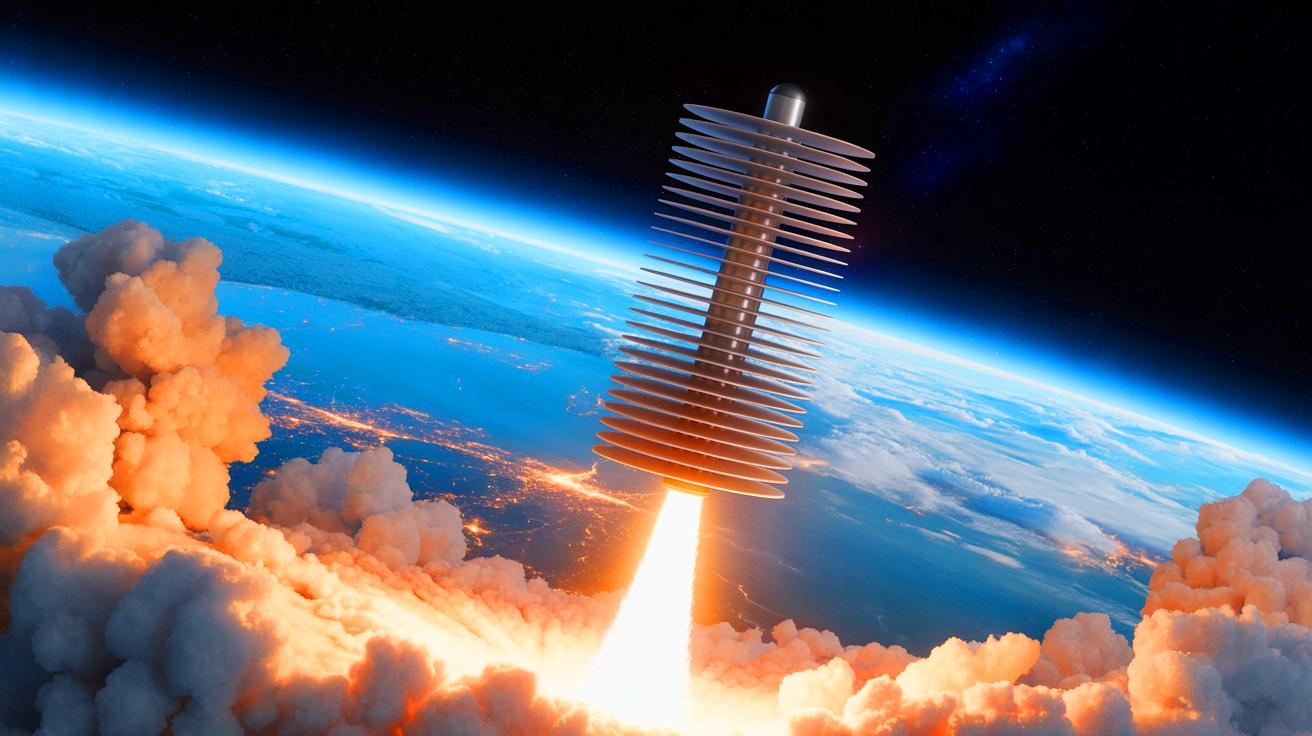
SpinLaunch is pioneering a radical change in satellite launch technology with its use of a massive centrifugal cannon. This approach aims to dramatically reduce costs and environmental impacts associated with sending satellites into space. Central to this initiative is the Meridian Space constellation, which plans to launch its first batch of uniquely designed, pancake-like satellites next year. These microsatellites, each spanning 7.5 feet and weighing approximately 154 pounds, are engineered to be lighter than traditional models, facilitating more efficient launches.
The design allows these satellites to be stacked in a specially designed “launch bus,” enhancing efficiency and potentially enabling SpinLaunch to break records for the number of satellites launched simultaneously. This innovative deployment strategy positions SpinLaunch as a formidable competitor to SpaceX, the current record holder for simultaneous satellite launches. The company’s approach represents a paradigm shift in satellite deployment, emphasizing efficiency and sustainability.
The Revolutionary Launch System
SpinLaunch’s unique satellite deployment strategy employs a ground-breaking launch system that uses a vacuum-sealed chamber and spinning arms to accelerate payloads. This method, known as the Suborbital Accelerator, has already demonstrated success by launching 10 rockets into suborbital flight from New Mexico. The system works by spinning objects up to speeds of 5,000 mph, subjecting them to forces as high as 10,000 Gs before they are propelled into the upper atmosphere.
The success of these test launches, most recently in September 2022, provides a solid foundation for SpinLaunch’s upcoming orbital demonstrations, where this technology will be used to send payloads into LEO. A significant advantage of this system is its cost efficiency. SpinLaunch estimates that future commercial launches could cost between $1,250 and $2,500 per kilogram, substantially less than SpaceX’s Falcon 9 rockets. Moreover, the absence of greenhouse gas emissions during the launch and the elimination of booster rockets contribute to a more sustainable approach to space travel, minimizing both environmental impact and space debris.
Implications for the Satellite Industry
The introduction of SpinLaunch’s technology holds transformative potential for the satellite industry. By offering an affordable and eco-friendly launch option, SpinLaunch is poised to challenge existing market leaders and reshape industry dynamics. The Meridian Space constellation aims to provide high-speed communication services at a lower cost than current offerings, potentially democratizing access to space-based services.
The company’s plans to enhance their capabilities with a larger Orbital Accelerator could enable them to launch up to five commercial payloads daily. If realized, this ambitious goal would significantly increase the frequency and accessibility of satellite launches, fostering new opportunities for industries reliant on satellite technology. However, increased activity in LEO presents challenges, such as potential spacecraft collisions, light pollution, and interference with astronomical observations, which must be addressed to ensure sustainable growth.
Looking Ahead: Challenges and Opportunities
While SpinLaunch’s innovations open up exciting possibilities, they also bring challenges that require careful consideration. Increased satellite activity in LEO could exacerbate existing issues like space debris and atmospheric pollution from re-entering spacecraft. As SpinLaunch progresses with its ambitious plans, it’s crucial to balance growth with responsibility, ensuring sustainable solutions are implemented.
The success of SpinLaunch’s forthcoming launches could redefine industry standards for satellite deployment, heralding a future of greater accessibility and sustainability in space exploration. However, key questions remain: how will the industry adapt to these shifts, and what proactive measures will be taken to mitigate the potential risks associated with increased activity in low-Earth orbit?



Wow, this is straight out of a sci-fi movie! 🚀
Are there any risks of these spinning satellites colliding with each other in space?
SpinLaunch sounds revolutionary, but how do they deal with the intense G-forces?
Great article, thanks for the insights on eco-friendly space launches! 🌍
Can this technology eventually make space travel cheaper for us regular folks?
Only if you think your body can withstand 10,000 G. (10,000 times the force of Earth’s gravity)
The idea of spinning satellites is mind-blowing, but is it really safe? 🤔
I hope they have a backup plan if the centrifugal cannon fails!
This is so exciting! When is the next launch scheduled?
Is SpinLaunch collaborating with any international space agencies?
Does anyone else think these “pancake-like” satellites sound delicious? 🥞😂
How does the energy efficiency compare to traditional rocket launches?
I’m a bit skeptical about the environmental benefits. Are there any studies on this?
SpinLaunch vs SpaceX – let the battle of the giants begin!
How will this affect the cost of satellite internet services?
China? Clickbait
What measures are being taken to avoid space debris?
Can they really reduce costs as much as they claim?
This is a game changer for the satellite industry.
SpinLaunch better have a killer insurance policy! 😅
More satellites mean more light pollution, no?
How does this technology impact global satellite regulations?
SpinLaunch is going to revolutionize the way we think about space travel!
Is this technology patented, or can other companies develop similar systems?
Hope this doesn’t lead to an overcrowded low-Earth orbit. 🌌
Why Asia for the launch? Is it strategic or just coincidence?
Will this innovation create more jobs in the space industry?
I can’t wait to see the first successful launch! 🚀
Does SpinLaunch have plans for manned missions in the future?
This sounds too good to be true. What’s the catch?
The future of space travel is here, and it’s spinning! 🌠
Can these satellites withstand the harsh conditions of space?
SpinLaunch better not spin out of control! 😜
That AI generated image looks SO bad
I guess I’m a little confused. The head line states that this has already been done. The actual article says that it is in the process of launching. The “successful” launches 2022 did not come anywhere near an actual LEO.