




| IN A NUTSHELL |
|
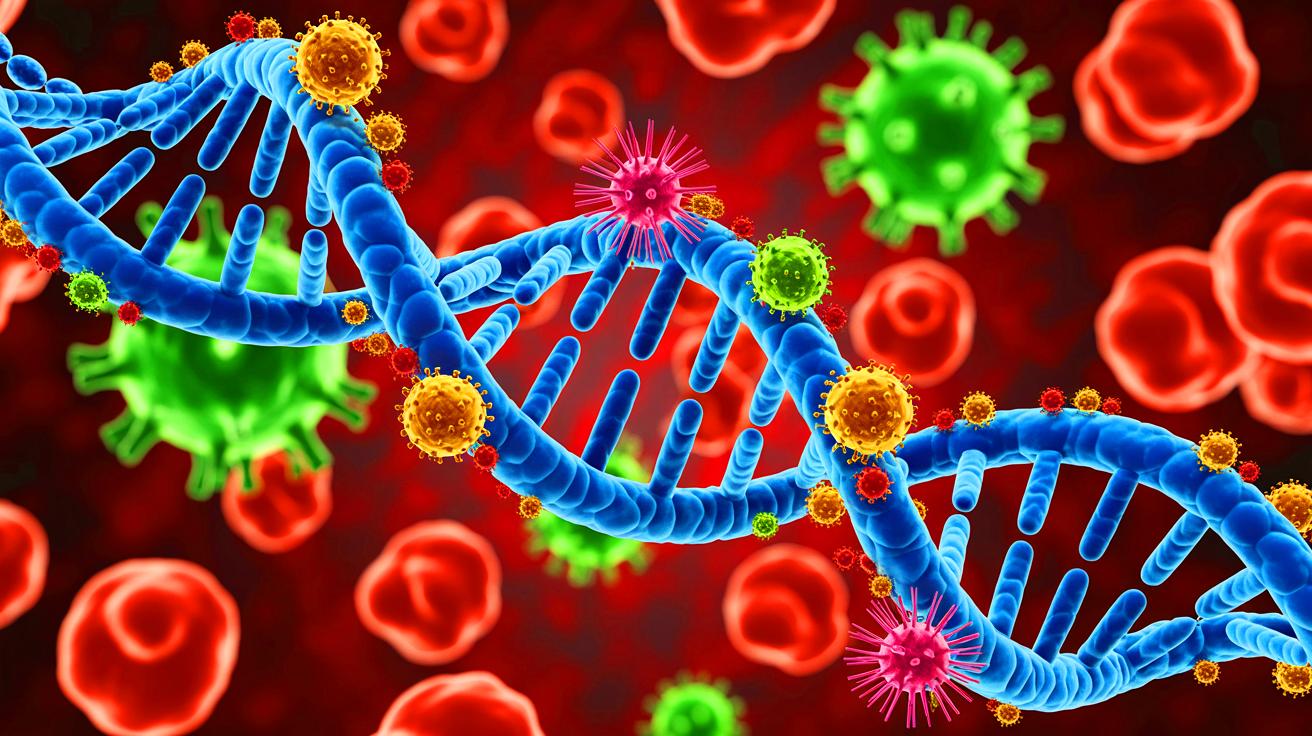
In the intricate tapestry of human DNA, there exist ancient viral sequences once thought to be mere remnants of past infections. However, recent research from McGill University and Kyoto University suggests these viral strands might be more than just genetic clutter. These sequences could be instrumental in regulating genes, offering new insights into what makes us human. By tracing the evolutionary history of these viral codes, scientists are unveiling their potential roles in gene regulation, especially in human stem cells. This groundbreaking discovery challenges long-standing assumptions and opens up new avenues for genetic research.
Viruses That Engineered Us
In an eye-opening study, researchers found that roughly eight percent of our genome comprises viral DNA, remnants from ancient viral infections. Historically dismissed as genetic debris, these sequences are now believed to have been co-opted by evolution to perform critical biological functions. The study highlights a specific viral DNA family, MER11, and unveils a new subgroup known as MER11_G4. This subgroup is uniquely active in human stem cells and appears exclusively in humans and chimpanzees. As Professor Guillaume Bourque from McGill University points out, understanding which parts of our genome are viral in origin brings us closer to comprehending human uniqueness, health, and disease.
The discovery of MER11_G4 is particularly intriguing due to its potential regulatory roles. Researchers suggest that this group contains a unique DNA motif, possibly linked to gene regulation. The initial human genome sequencing, conducted 25 years ago, noted viral DNA presence but lacked the tools to explore its significance. Today, with advanced computational techniques, scientists are revisiting these annotations, finding that many were outdated or incomplete. This new perspective is reshaping our understanding of the genome’s viral components and their impact on human biology.
The Code Still Works
The evolutionary perspective adopted by the researchers has allowed them to identify cryptic subfamilies of endogenous retroviruses within the MER11 group. Prior to this study, only three subtypes of MER11 were recognized. The identification of a fourth subtype, MER11_G4, highlights its regulatory potential. Notably active in human stem cells, MER11_G4 may influence developmental processes by modulating gene activity. This suggests that these viral elements are not just evolutionary leftovers but integral parts of the gene expression system.
Understanding these viral elements could have significant implications for identifying genetic disorders and explaining why certain gene mutations become harmful. The findings, published in Science Advances, emphasize the need to reconsider the role of viral DNA in our genome. By exploring these evolutionary relics, researchers can gain insights into how they continue to influence human biology, potentially affecting cell development, stress responses, and even diseases like cancer.
Revisiting Viral DNA Annotations
The current annotation of viral DNA in the human genome is far from definitive. As scientists like Guillaume Bourque suggest, it is time to refine and revisit these annotations. The previous limitations in understanding viral DNA’s significance stemmed from a lack of technological tools. However, with modern computational methods, researchers are now able to analyze these sequences in greater detail, revealing evolutionary patterns that were previously overlooked.
This new approach does more than just compare sequences; it groups them based on their evolutionary trajectories. By doing so, researchers have uncovered patterns missed by traditional techniques, painting a more dynamic picture of viral DNA’s role in gene regulation. The realization that these sequences could be crucial in controlling gene expression is reshaping our understanding of genetic regulation and its implications for human health and disease.
The Implications for Human Health
The potential regulatory roles of viral DNA elements like MER11_G4 could have profound implications for understanding human health. By tracing the origins of these sequences, researchers hope to uncover the genetic roots of certain disorders. This could lead to new diagnostic tools and therapeutic strategies, particularly for diseases linked to gene regulation failures.
The study’s findings also raise intriguing questions about the role of viral DNA in evolutionary processes. Could these ancient sequences have contributed to human adaptability and resilience? As researchers continue to investigate these viral elements, they are likely to uncover new layers of complexity in the genome, further enriching our understanding of what makes us uniquely human.
The research into ancient viral DNA and its regulatory roles is transforming our understanding of the human genome. These findings challenge long-held beliefs and highlight the intricate interplay between viral sequences and gene regulation. As we delve deeper into the mysteries of our DNA, one question remains: How will these insights shape the future of genetic research and medicine?



Wow, I never thought I’d be part virus. That’s one way to feel special! 🦠
Does this mean we can blame viruses for our bad habits? 😂
Thank you for shedding light on this fascinating topic. I’m excited to see where this research leads!
So, are we more virus than human? What percentage is purely human DNA? 🤔
I find this hard to believe. How can viral DNA be beneficial to humans?