



| IN A NUTSHELL |
|
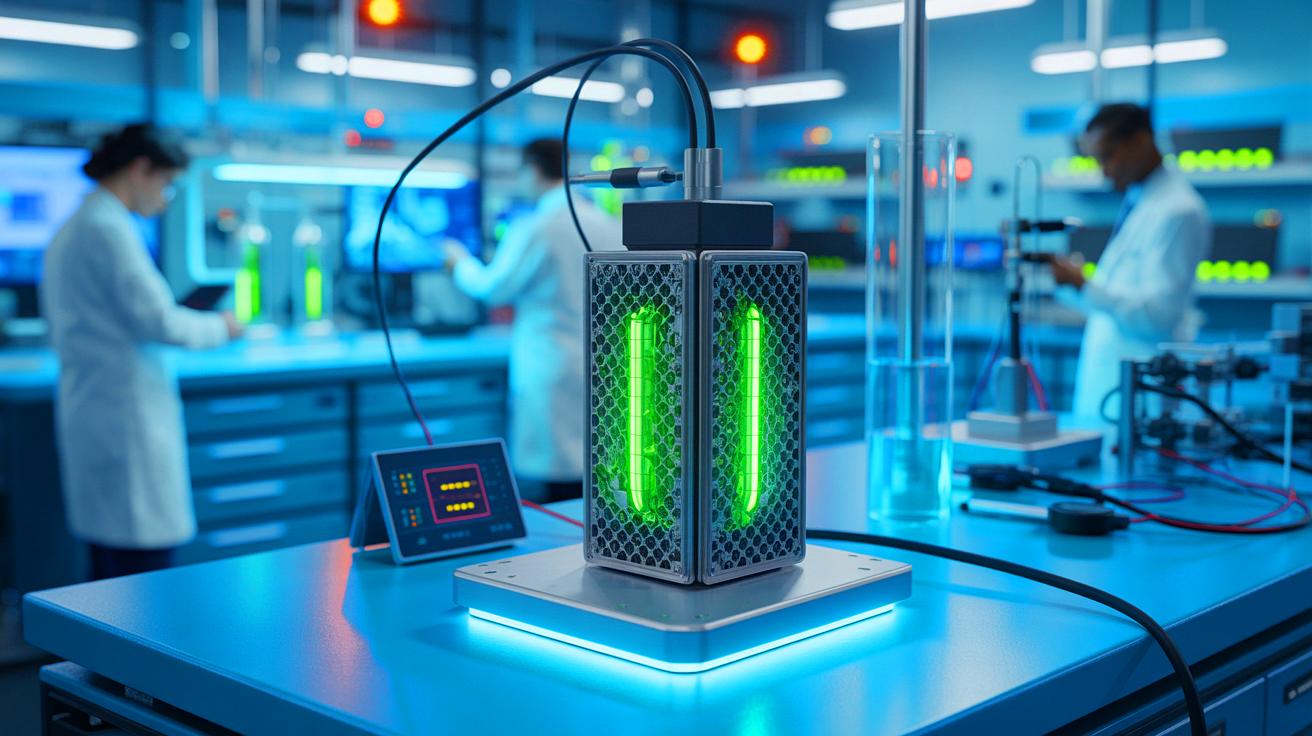
In a groundbreaking stride towards sustainable energy solutions, researchers at Binghamton University have developed a revolutionary 3D-printed steel bacteria battery that achieves a record-breaking energy output. By fusing metal and microbes using laser-printed anodes, this innovation holds the potential to transform the way we power small electronics. Professor Seokheun “Sean” Choi, who has been at the forefront of bacteria-powered biobattery research for over a decade, collaborated with fellow researcher Assistant Professor Dehao Liu to overcome material limitations and enhance energy efficiency. This partnership has resulted in a high-output biobattery utilizing endospores and stainless steel, eliminating the need for lithium or toxic chemicals. Let’s delve deeper into the key aspects of this exciting development.
3D Printing Solves Old Problems
The creation of bacteria-based power cells relies on several critical components: a cathode, an anode, and a membrane where ion exchange produces an electric current. The anode serves as the bacteria’s habitat, and maximizing its surface area is crucial for optimal energy generation. Traditional fabrication methods often fall short in creating effective 3D anodes. Carbon- or polymer-based options tend to be fragile or require high temperatures that can harm bacteria. Stainless steel, while offering better conductivity and structure, lacks the design flexibility necessary for ideal bacterial colonization.
This is where the laser powder bed fusion (LPBF) method comes into play. This advanced 3D printing technique allows researchers to exercise nanoscale control over shape and structure, enabling them to design anodes and other components for maximum efficiency and easy assembly. The result is a stackable system where six small biobatteries can generate nearly 1 milliwatt, enough to power a 3.2-inch LCD. Importantly, the stainless steel components are reusable, allowing bacterial cells to be detached and reused while maintaining power levels.
From Thesis to Real-World Tech
This innovative research builds on the doctoral work of Assistant Professor Anwar Elhadad, who studied under Professor Choi. His PhD focused on developing bioelectronic systems that integrate sustainable energy-harvesting technologies, particularly microbial fuel cells. The current project addresses core challenges Elhadad faced during his dissertation, especially the need for robust and scalable electrodes. Working with Professor Choi was described as both inspiring and intellectually stimulating, with Choi encouraging innovation and new ideas.
Looking forward, the research team aims to streamline the process by unifying the printing of all battery components. Additionally, they plan to develop a power management system capable of regulating charging and discharging, akin to the functionality of solar cells. Their study, published in the journal Advanced Energy & Sustainability Research, underscores the potential of this technology to advance sustainable energy solutions. As the team continues to push the boundaries of what’s possible, their work could have significant implications for the future of energy storage and consumption.
Revolutionizing Energy Storage Solutions
The promise of bacteria-powered biobatteries lies in their ability to provide a sustainable alternative to traditional power sources. By utilizing naturally occurring microbes, these biobatteries can generate electricity without relying on harmful chemicals or finite resources like lithium. This represents a significant step forward in the quest for eco-friendly energy solutions. Furthermore, the use of 3D-printed stainless steel components enables precise control over the battery’s structure, resulting in improved energy efficiency and ease of assembly.
As the world grapples with the challenges of climate change and resource depletion, innovations like the 3D-printed steel bacteria battery offer hope for a more sustainable future. By harnessing the power of nature and cutting-edge technology, researchers are paving the way for cleaner, more efficient energy solutions. The implications of this breakthrough extend beyond small electronics, potentially impacting a wide range of industries and applications. As we move towards a more sustainable future, the development of such technologies will play a crucial role in shaping our energy landscape.
Implications for the Future
The development of the 3D-printed steel bacteria battery marks a significant milestone in the pursuit of sustainable energy solutions. By offering a viable alternative to traditional power sources, this innovation has the potential to transform industries reliant on small electronics. Moreover, the use of advanced 3D printing techniques allows for greater control over the battery’s design and functionality, paving the way for further advancements in this field.
As researchers continue to refine and expand upon this technology, the possibilities for its application are vast. From powering remote sensors to supporting portable medical devices, the potential uses for bacteria-powered biobatteries are numerous. The ongoing collaboration between experts in engineering and microbiology highlights the importance of interdisciplinary research in driving innovation. As we look to the future, one question remains: how will this breakthrough in biobattery technology shape the way we approach energy storage and consumption?

Wow, I’d never thought bacteria could power our devices! 😮
How long does the battery last before it needs to be recharged?
This is amazing! Finally, a sustainable alternative to lithium batteries!
Does this mean we’ll have to feed our batteries now? 😂
Sounds like a great innovation, but how scalable is this technology?
Is this bacteria battery safe for the environment? 🌍
What are the practical applications of this technology in the near future?
Can this battery be used in larger electronics, or is it only for small devices?
Intriguing concept! How do they keep the bacteria alive within the battery?
So cool! Will this technology be affordable for consumers? 💰
I’m skeptical. How reliable is this “living metal” in real-world conditions?
Would love to see this in action! Is there a video demonstration available?
This sounds promising, but what are the limitations of using bacteria in batteries?
Thank you for sharing such an innovative breakthrough! 🌟
Can the bacteria in the battery generate enough power for a smartphone?
What happens if the battery runs out of bacteria? Do we just add more? 🤔
Great work by the researchers! How long until this hits the market?
I’m curious if this tech will work in extreme temperatures. Any info?
Isn’t stainless steel heavy? How does this affect the battery’s portability?
This is the future! Can’t wait to see how this changes the energy industry.
How does the energy output compare to traditional batteries?
Could this be used in electric cars eventually? 🚗
What are the potential risks of having bacteria in our electronics?
Are there any ethical concerns with using bacteria in this way?
This could be a game-changer for renewable energy! Thanks for the article.
Does anyone know if the bacteria need special conditions to survive?
I’d love to see a follow-up on this technology’s progress in a year or so.
How does the laser powder bed fusion work exactly? Sounds high-tech! 🛠️