




| IN A NUTSHELL |
|
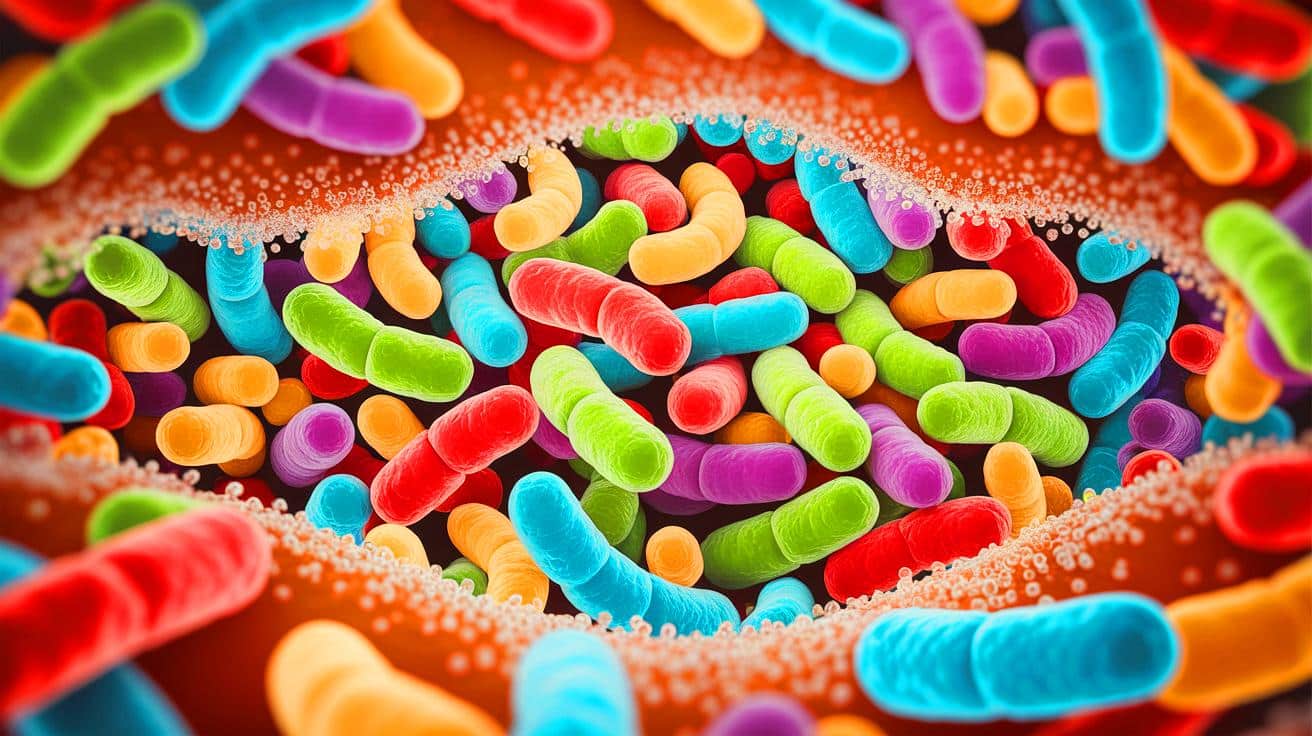
The intricate relationship between dietary habits and the immune system is becoming increasingly clear, especially as it relates to the silent transformation of our gut flora. Recent scientific studies have revealed that excessive consumption of certain popular beverages can alter the delicate balance of this internal ecosystem. These findings underscore the importance of understanding how refined sugars impact the gut microbiome, a vast community of microorganisms that plays a pivotal role in our overall health.
The Role of Beneficial Gut Bacteria
Within the complex world of the gut microbiome, numerous species contribute to our health, with some playing particularly crucial roles. One such bacterium is Bacteroides thetaiotaomicron, which aids in fiber digestion, maintains the intestinal barrier, and modulates immune responses. Previously, it was believed that the functions of these bacteria remained stable in a healthy intestinal environment. However, recent research has uncovered a hidden adaptability within these microorganisms.
An enlightening study published in May 2025 in Nature Communications unveiled that the surface genes of Bacteroides thetaiotaomicron can undergo a process akin to genetic inversion. This mechanism allows the bacterium to alter the proteins expressed on its cell surface. Such a transformation was once thought to be mainly the domain of pathogens like Salmonella and E. coli, which utilize it to evade the immune system. These new findings suggest that even beneficial bacteria can employ similar strategies under certain conditions.
Refined Sugar’s Impact on the Microbiome
Researchers from the Technion in Israel have shed light on the impact of refined sugar on the microbiome. Through a series of experiments, they demonstrated that consuming sugary sodas could trigger genetic inversion in Bacteroides thetaiotaomicron. In mice colonized with this bacterium, DNA orientation changed within days of sugar exposure, significantly affecting immune responses.
This genetic flip acts as a temporary disguise. While the bacterium retains its core functions, it adopts a profile that confuses the immune system. Consequently, inflammatory markers like cytokines rise, suggesting that the body begins to misidentify this beneficial bacterium as a potential threat. In humans, this phenomenon was first observed in individuals who regularly consumed sodas. Though the mutation is reversible, consistent exposure might exacerbate intestinal inflammatory responses, potentially leading to chronic disorders.
Exploring New Avenues to Combat Chronic Inflammation
The implications of this discovery reach beyond the specific bacterium studied. Other microbiome members might possess similar functional plasticity, influenced by diet. According to New Atlas, this ability to morph based on available nutrients could explain persistent gut imbalances, even after attempts to restore balance with probiotics or fiber-rich diets.
Researchers are now considering developing targeted probiotics to prevent the sugar-induced bacterial DNA inversion. Such an approach could also pave the way for personalized dietary recommendations, tailored to an individual’s gut microbiome composition. By deepening our understanding of the interplay between refined sugar and bacterial genetic dynamics, nutritional medicine could make significant strides in preventing inflammatory bowel diseases.
Implications for Future Research and Dietary Recommendations
The findings present a new frontier in nutrition science, suggesting that dietary choices have profound effects on the gut microbiome’s genetic behavior. The potential to manipulate this relationship offers exciting possibilities for preventive health measures. Future research could explore the broader implications of these genetic changes across different bacterial species and their cumulative impact on human health.
As scientists continue to unravel the complexities of the microbiome, there is hope for innovative interventions that harness the body’s natural processes to promote health. The development of dietary guidelines that consider the microbiome’s genetic responsiveness could revolutionize how we approach nutrition and disease prevention.
The discovery of refined sugar’s impact on gut bacteria underscores the need for further exploration into how our diets shape our internal ecosystems. As we advance our knowledge in this area, what new strategies will emerge to protect and enhance our health through dietary choices?



Whoa, can sugar really cause a genetic mutation that fast? 😮
Thanks for the info, but is there any counter-study that refutes these claims?
My stomach hurts just reading about this. No more soda for me!
Is this mutation permanent, or can it be reversed if I stop drinking sugary beverages?
How many sugary drinks a day are we talking about here? I need details! 🍹
Great article! But what are some alternatives to sugary drinks?
This sounds like a plot from a sci-fi movie. Can we trust these findings?
Wow, I didn’t realize gut bacteria are so adaptable. Amazing stuff!
Why are we only hearing about this now? Have sugary drinks always been this dangerous?
Does this mean sugar-free drinks are safe, or do they have their own issues?