




| IN A NUTSHELL |
|
The discovery of Khankhuuluu, a newly identified dinosaur species, has provided a significant breakthrough in paleontology, offering fresh insights into the evolutionary journey of the Tyrannosaurs. Unearthed in Mongolia and studied by an international team led by Jared Voris and Dr. Darla Zelenitsky, this dinosaur is believed to be the closest-known ancestor of the massive Tyrannosaurus rex. The findings, published in the prestigious journal Nature, highlight the critical transition period in Tyrannosaur evolution. This discovery not only sheds light on the physical and behavioral traits of these ancient creatures but also offers a glimpse into their migration patterns and environmental adaptations.
A Glimpse Into Tyrannosaur Evolution
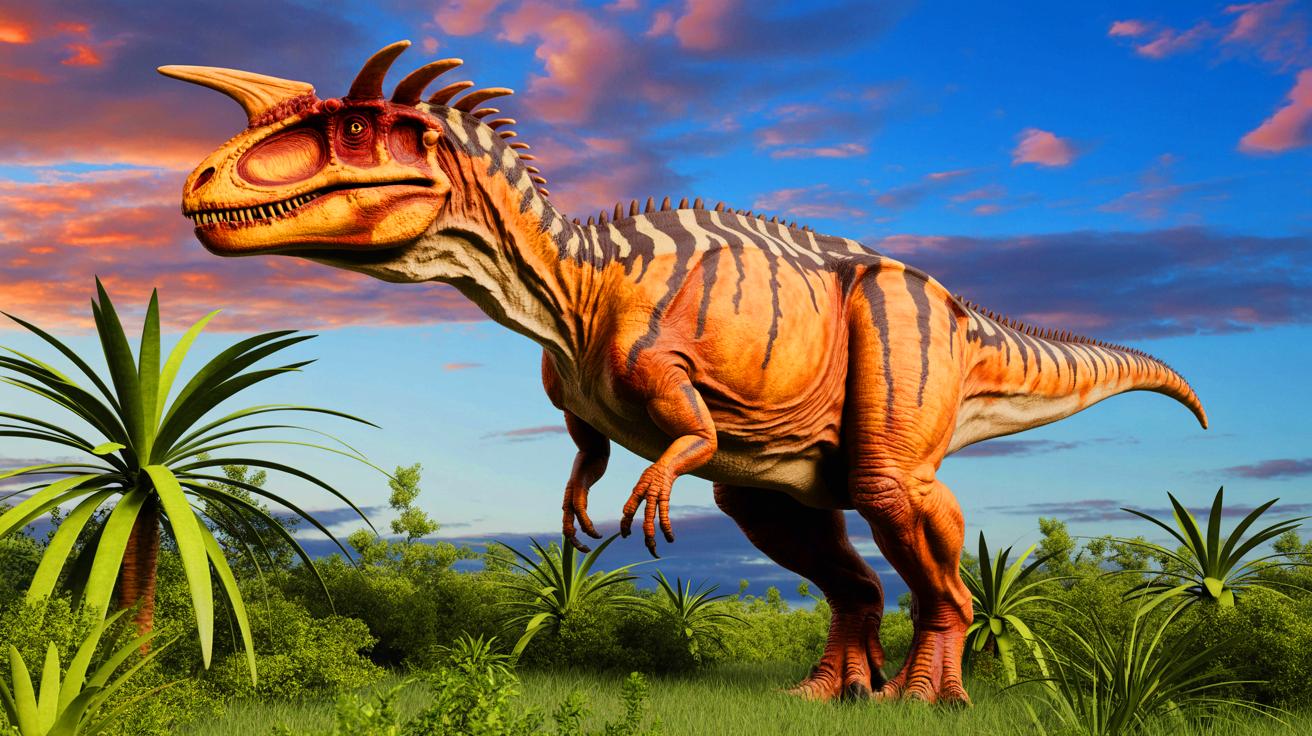
The discovery of Khankhuuluu marks a pivotal moment in understanding Tyrannosaur evolution. According to Jared Voris, this new species represents a crucial stage when Tyrannosaurs were transforming from small predators into apex predators. Named in Mongolian as the “dragon prince,” Khankhuuluu is considered the “prince” in the family lineage, preceding the “king,” Tyrannosaurus rex. At an estimated weight of 1,650 pounds, comparable to the size of a horse, this species was significantly smaller than its colossal descendants.
This discovery provides paleontologists with an invaluable “window” into a period of evolutionary transition. The physical characteristics and behaviors of Khankhuuluu offer clues about the adaptations that allowed Tyrannosaurs to dominate their ecosystems. It helps fill a critical gap in the fossil record, illustrating how these creatures evolved over millions of years. The new find emphasizes the importance of continued exploration in previously studied areas, as subtle differences in fossils can lead to groundbreaking discoveries.
Physical Traits and Hunting Style
Khankhuuluu possessed several distinctive physical traits that set it apart from its descendants. Notably, it displayed small horn-like structures on its head. These features, which became more pronounced in later species like Albertosaurus and Gorgosaurus, may have been used for mating displays or intimidation. Its long, shallow skull suggests that it lacked the bone-crushing bite strength of T. rex.
Instead, Khankhuuluu was classified as a mesopredator, akin to modern coyotes. This classification implies a reliance on speed and agility for hunting, rather than sheer force. Such adaptations highlight the evolutionary pathways that allowed smaller, agile predators to survive and thrive after the extinction of larger carnivorous dinosaurs. The study of these traits provides valuable insights into the diverse hunting strategies and ecological niches occupied by early Tyrannosaurs.
Fossils From Mongolia Tell a New Story
The fossils of Khankhuuluu were discovered in the Bayanshiree Formation in southeastern Mongolia. Initially studied in the 1970s by paleontologist Altangerel Perle, they were compared to the similar species Alectrosaurus from China. However, when Jared Voris examined the fossils in 2023 at the Institute of Paleontology in Mongolia, he identified subtle differences that distinguished them from Alectrosaurus.
These differences were pivotal in establishing Khankhuuluu as a separate species, underscoring the importance of meticulous fossil analysis. This discovery challenges previous assumptions and highlights the complexity of dinosaur evolution in Asia. Fossils from this region continue to reveal new chapters in the story of how Tyrannosaurs adapted to various environments. Such revelations remind us of the dynamic and ever-evolving nature of paleontological research.
“They’ve Been Hiding This Monster”: Student Discovers 23 Foot Killer Dinosaur In Museum Storage
The Journey of Tyrannosaurs Between Continents
Dr. Darla Zelenitsky’s research suggests that Khankhuuluu or a closely related species migrated from Asia to North America around 85 million years ago. This migration was a significant event in the evolutionary history of the Tyrannosaurs. According to the study, large Tyrannosaurs first evolved in North America as a result of this immigration.
The research provides evidence that these migrations between continents were rarer and more limited than previously believed. Khankhuuluu appears to be the last known Asian ancestor of the Tyrannosaurs before their diversification in North America. This finding has implications for understanding the biogeographical patterns and environmental factors that influenced dinosaur evolution. It also raises questions about the interactions between species as they migrated and adapted to new habitats.
The discovery of Khankhuuluu opens new avenues for research into the evolution and migration of Tyrannosaurs. Scientists are eager to explore the earlier and less-understood ancestors of these apex predators to fill in the remaining gaps in their evolutionary history. As paleontologists continue to unearth fossils and analyze data, they will likely uncover more details about the complex interplay of factors that shaped these iconic creatures. How will future discoveries continue to reshape our understanding of the ancient world and the evolutionary forces that governed it?


Wow, “dragon prince” sounds like a cool name for a dinosaur! 🐉
Amazing discovery! Can’t wait to see what else is unearthed. 🦖
How does Khankhuuluu compare to other predators of its time?
Wow, Khankhuuluu sounds fascinating! How did researchers determine its weight?
I’m amazed by how much we can learn from fossils. Thanks for the article!
Is there any chance we’ll get to see these fossils on display in a museum?
So, does this mean T. rex wasn’t always the top dog? 🤔
This discovery really reshapes our understanding of dino evolution! Thanks for sharing!
Another dinosaur? How many more are we going to discover?!
Seems like T. rex had a lot of relatives! What makes Khankhuuluu unique?
Wait, they found this in Mongolia? Thought all the cool dinos were from North America!
Interesting read, but how reliable is the fossil dating in this case?
How sure are we that Khankhuuluu is a new species and not just another Alectrosaurus?
Why is Mongolia such a hotspot for dinosaur fossils? 🌏