




| IN A NUTSHELL |
|
The aerospace sector is witnessing a groundbreaking evolution with the latest developments in hypersonic technology. At the forefront is the U.S.-based company, Ursa Major, which has secured a substantial $32.9 million contract to provide advanced H13 rocket engines for Stratolaunch’s innovative Talon-A hypersonic test vehicle. This strategic partnership is designed to enhance the Talon-A’s capabilities, underscoring the U.S.’s commitment to advancing hypersonic testing. With these enhancements, the Talon-A is poised to achieve greater reusability and efficiency, propelling it further into the future of aerospace technology.
Talon-A to Get New Engines
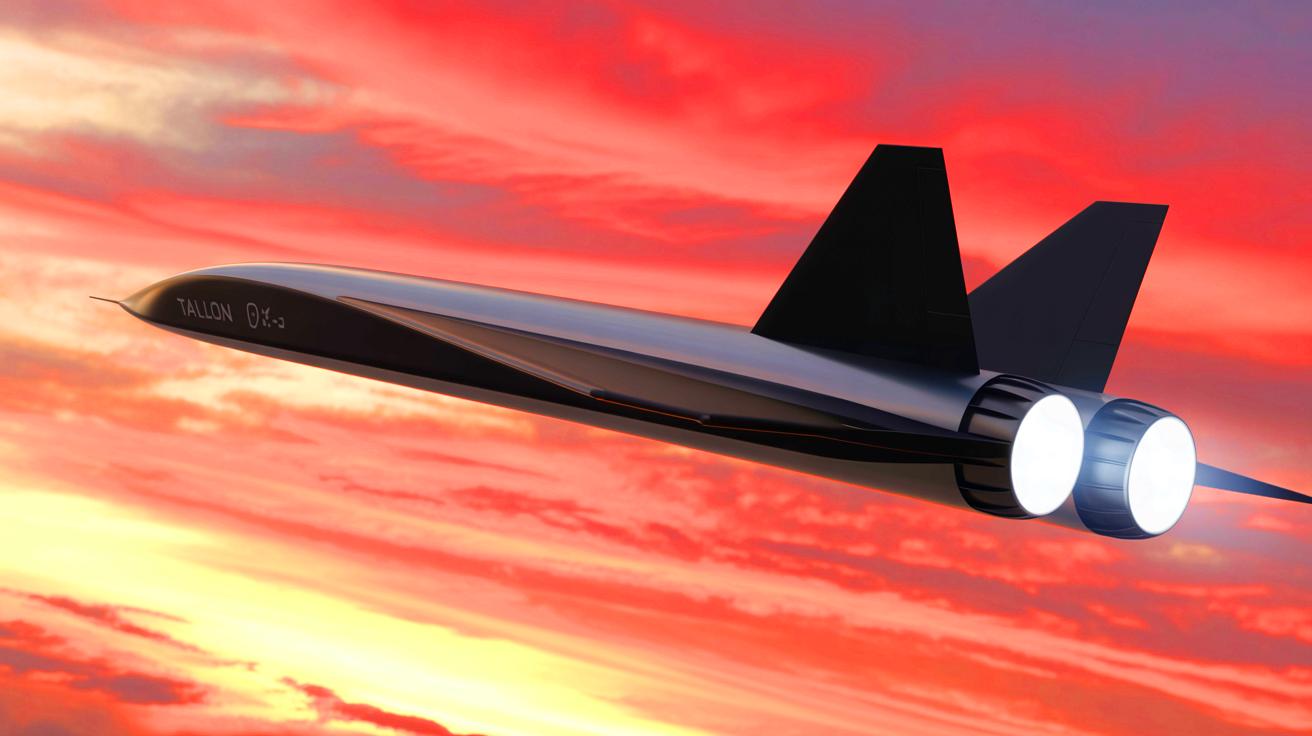
The Talon-A hypersonic test vehicle epitomizes cutting-edge aerospace innovation. This vehicle, launched from Stratolaunch’s massive carrier aircraft, is powered by the H13 engines from Ursa Major and can achieve speeds exceeding Mach 5, which equates to five times the speed of sound. The Talon-A serves as a critical platform for testing military hypersonic technologies, a priority for the Pentagon.
In May, the Talon-A completed its second successful flight test at speeds over Mach 5, marking a pivotal moment in hypersonic research. “With the data collected from this second flight, we are able to apply lessons learned to enhance the strength and performance of the Talon-A vehicles,” remarked Dr. Zachary Krevor, President and CEO of Stratolaunch. The collaboration with Ursa Major aims to leverage these findings, refining propulsion systems for more robust performance. This initiative aligns with the U.S.’s strategic focus on hypersonic testing, particularly as countries like China and Russia continue their advancements in this field.
More Thrust, More Speed
Hypersonic testing presents significant technical challenges and high costs, making the development of reusable platforms like the Talon-A essential. The upgraded H13 engines promise to deliver a thrust of 5,000 lbf with longer lifespans through oxygen-rich staged combustion. This efficient engine cycle, typically used for large space launchers, showcases the sophistication of Stratolaunch’s technology. These engines are designed to reduce costs and increase test frequency, facilitating rapid advancements in hypersonic capabilities.
The partnership between Ursa Major and Stratolaunch is a strategic effort to enhance the U.S.’s hypersonic testing infrastructure. By providing advanced, cost-effective engines, this collaboration aims to expedite the development of hypersonic weapons and defenses, crucial in a global landscape where speed and technological superiority are paramount.
Strategic Importance of Hypersonic Testing
The significance of this contract with Ursa Major extends beyond technological advancements. Hypersonic testing is a top priority for national defense, as it plays a pivotal role in maintaining technological superiority. With China and Russia advancing rapidly in hypersonic technology, it is imperative for the U.S. to stay ahead. The Talon-A, with its enhanced propulsion system, positions the U.S. as a leader in hypersonic research and development.
Dan Jablonsky, CEO of Ursa Major, emphasized the importance of this contract, stating, “This contract directly supports U.S. hypersonic test infrastructure and the broader imperative to accelerate high-speed flight programs that deliver for national security.” The collaboration aims to provide real capabilities in the field, focusing on speed and efficiency without compromising performance. This underscores the strategic importance of hypersonic testing in global defense dynamics.
The Future of Hypersonic Technology
As the aerospace industry continues to evolve, developments in hypersonic technology are set to redefine the limits of speed and efficiency. The Talon-A, equipped with the advanced H13 engines, represents the future of aerospace innovation. The collaboration between Ursa Major and Stratolaunch is a testament to the potential of public-private partnerships in advancing national defense capabilities.
The focus on reusability and cost-effectiveness is critical as the U.S. seeks to maintain its edge in the global hypersonic race. With ongoing advancements, the potential for hypersonic vehicles in both military and civilian applications grows. The achievements seen in the Talon-A project signify the beginning of a new era, paving the way for future innovations in aerospace technology.
The strides made in hypersonic technology with the Talon-A and the H13 engines represent a significant milestone in aerospace innovation. As the U.S. continues to prioritize hypersonic testing, the collaboration between Ursa Major and Stratolaunch sets the stage for future advancements. How will these developments shape the future of global defense and aerospace technology?




Wow, Mach 5+ speeds! Can someone explain how fast that actually is? 🚀
Impressive achievement! But what’s the environmental impact of these hypersonic tests?
Why is the U.S. sharing such technology? Could this backfire in the future?
I’m skeptical about the long-term benefits, but let’s see what happens.
Hope this doesn’t lead to an arms race in hypersonic tech…
How long until we see civilian applications for this technology?
Any chance this tech could be used in space travel in the future?
Why is hypersonic testing such a priority for national defense?
Seems like we’re getting closer to sci-fi-level tech! 😄
Great news! But I wonder about the cost implications for the military budget.
What’s the difference between hypersonic and supersonic speeds?
So, can these aircraft actually touch the clouds and create fire trails? 🌥️🔥
Hoping for peaceful applications of these advancements, not just military.
Are there any defense implications for other countries with this new aircraft?
When’s the next test scheduled? Would love to see it live!
So much money spent on this tech—hope it’s worth it!
Is there any video footage of this first public flight? 📹
Sounds like a plot from a sci-fi movie! 😂
Will this technology make its way into commercial aviation soon?
What are the potential risks of testing at such high speeds?
Is it really a US breakthrough if it’s being tested in China? 🤨
Can someone explain oxygen-rich staged combustion in simple terms?
How reliable are these engines in real-world conditions?
This is exciting, but I hope it doesn’t escalate global tensions.
Does this mean we might see faster deliveries in the future? 📦
Why is hypersonic testing so expensive?
Do these fire trails have any environmental consequences?
Awesome! But why is China “stunned”? Haven’t they been working on this tech too?
Is the public flight meant to deter other countries or just for testing?
Are there any plans for international collaboration on this tech?
Hope the US stays ahead in the tech race! 🇺🇸
Any chance of seeing a hypersonic passenger jet in the next decade?
Great to see advancements in aerospace, but I hope safety is prioritized.
How does this compare to what other countries are developing in hypersonic tech?
Can these engines be used for commercial purposes in the future? 🤔
The collaboration between Ursa Major and Stratolaunch sounds promising!
Is this the same tech that was used in those failed missile tests last year?