




| IN A NUTSHELL |
|
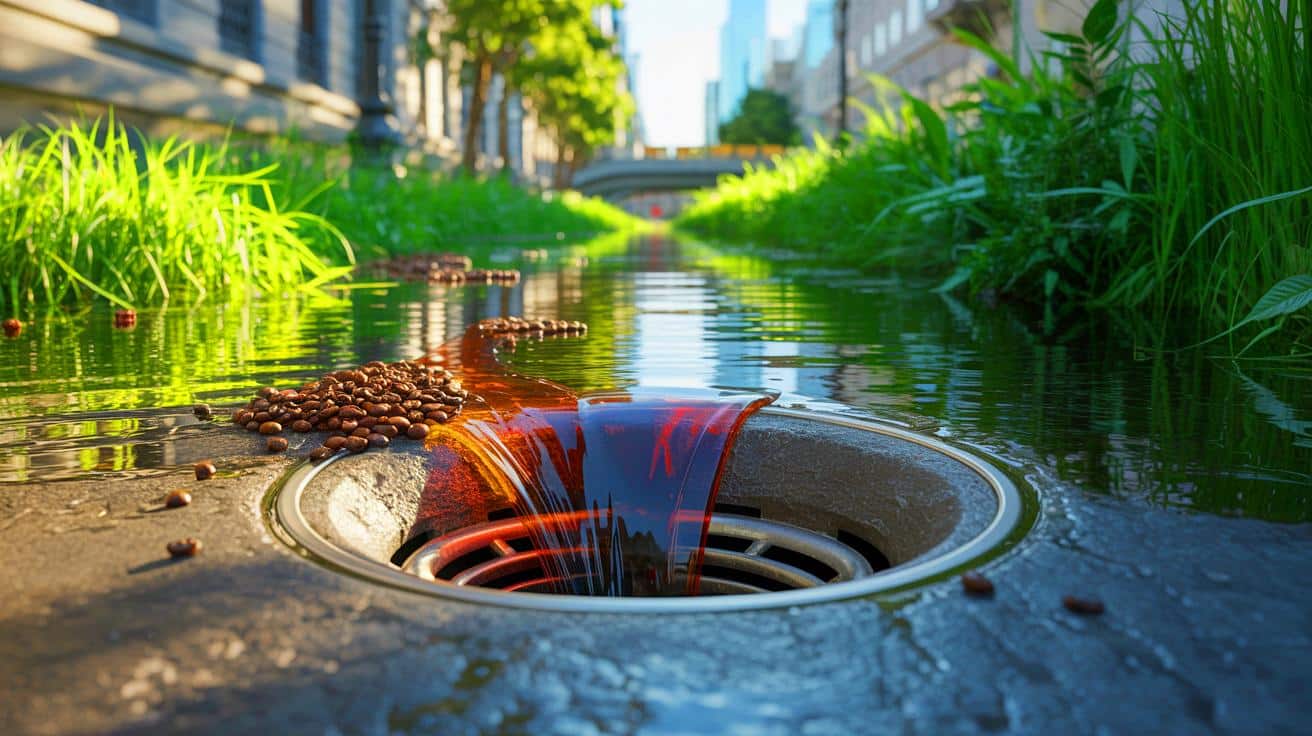
Coffee has long been a staple of daily life for millions around the globe, offering a much-needed caffeine boost to kickstart the day. However, the seemingly innocuous act of discarding leftover coffee down the drain is now drawing scrutiny for its potential environmental impacts. This issue gained attention after a London council fined a woman for pouring coffee down a drain, a penalty that was later withdrawn. Nevertheless, the incident has sparked a broader conversation about the environmental consequences of our coffee disposal habits. With billions of cups consumed worldwide daily, the cumulative effect of coffee waste on our water systems is increasingly becoming a matter of concern.
The Environmental Impact of Caffeine
Caffeine is a pervasive contaminant in aquatic environments. Wastewater treatment plants have varying capacities to remove caffeine from water, which means treated water can still contain caffeine when released back into natural water bodies. In instances of heavy rainfall, the capacity of sewage systems can be overwhelmed, causing untreated wastewater to bypass treatment facilities and flow directly into rivers and lakes. This practice is not limited to the UK alone; it is a global issue, with studies finding caffeine in over half of the sampled sites across 258 rivers in 104 countries.
The presence of caffeine in natural water systems has documented effects on aquatic organisms. It can disrupt the metabolism, growth, and mobility of freshwater algae and aquatic larvae, even in small doses. This disruption can have cascading effects on the ecosystem, potentially leading to the death of sensitive species. As the cumulative effect of caffeine pollution becomes more apparent, the need for effective wastewater management and public awareness of proper disposal methods grows ever more critical.
Proper Drain Disposal Practices
Street drains are designed to manage rainwater, not to act as catch-alls for various liquids. The importance of this distinction cannot be overstated, as anything poured into these drains can eventually end up in natural water bodies. Coffee, oils, paint, and other liquids should never be disposed of via street drains. Instead, these substances should be processed through appropriate household waste systems, such as compost or recycling bins.
In countries with combined sewage systems, such as the UK, there is little difference between disposing of liquids down a kitchen sink or a street drain. Both can lead to environmental harm if not managed correctly. Therefore, it is essential for individuals to be conscientious about what they pour down any drain, as this simple action has far-reaching implications for water quality and environmental health.
Alternatives to Draining Coffee
For those who find themselves frequently discarding coffee, a simple solution might be to brew less. However, for leftover coffee, there are environmentally friendly alternatives to pouring it down the sink. Diluted coffee can serve as a plant tonic, providing nutrients to garden plants. Coffee grounds, in small amounts, can be added to compost heaps or used directly in gardens to enhance soil organic content. It is important to avoid overuse, as excessive coffee grounds can lead to a buildup of caffeine in the soil, which may harm plant growth.
For those without access to composting facilities, placing coffee waste in a container for household waste collection is a reasonable alternative. As individuals, our responsibility extends to understanding and mitigating our impact on the environment, and managing coffee waste is a small but impactful step towards sustainable living.
The Broader Implications for Water Management
“Improving the poor status of our rivers and coasts requires major reform, policy changes, and investment.”
The UK government has recognized the need for systemic changes to improve water quality and management. While policy and infrastructure play significant roles, individual actions are equally vital in maintaining healthy water systems. Public awareness of proper disposal methods for everyday substances like coffee can help reduce the burden on wastewater treatment facilities and minimize environmental harm.
As society becomes increasingly aware of the interconnectedness of our actions and the environment, it is crucial to adopt habits that support this understanding. By keeping coffee and other contaminants out of drains, individuals can contribute to healthier rivers and ecosystems, fostering a more sustainable future for all.
The issue of coffee waste highlights the broader challenge of managing waste in a way that protects the environment. As we continue to explore sustainable solutions, how can individuals and communities better align their daily habits with environmental priorities?




Wow, I had no idea coffee could be so harmful to the environment. Thanks for the info! ☕🌍
Interesting read! Never thought my coffee habits could harm aquatic life. 🤔
Can’t believe I might be contributing to pollution just by pouring coffee down the drain. 😳
Wait, does this mean coffee is bad for plants too if used wrong?
Is there any data on how much coffee actually ends up in waterways?
Great article! I’ll definitely start composting my coffee grounds. 🌿
Thanks for the article! I’ll definitely think twice before pouring coffee down the sink.
So, should I just drink less coffee then? That’s a tough one! 😂
Is there any actual research linking coffee disposal to environmental harm, or is this all theoretical?
This seems a bit exaggerated. How much impact can a cup of coffee really have? 🤔
Thank you for the eye-opening article! I’ll be more mindful about my coffee disposal habits.
Great, now even my morning coffee is an environmental dilemma. What’s next? 😅
Just pour coffee down the drain? Never again! 🚫
What about tea leaves? Are they just as harmful if disposed of improperly?
Does this also apply to tea? I’m curious if tea has similar effects. 🍵
Finally, a reason to convince my partner to switch to tea. 😉
This sounds a bit overblown. Coffee down the drain can’t be that big of a deal, right?
Can I use leftover coffee as a hair rinse? I’ve heard it’s good for hair. ✨