




| IN A NUTSHELL |
|
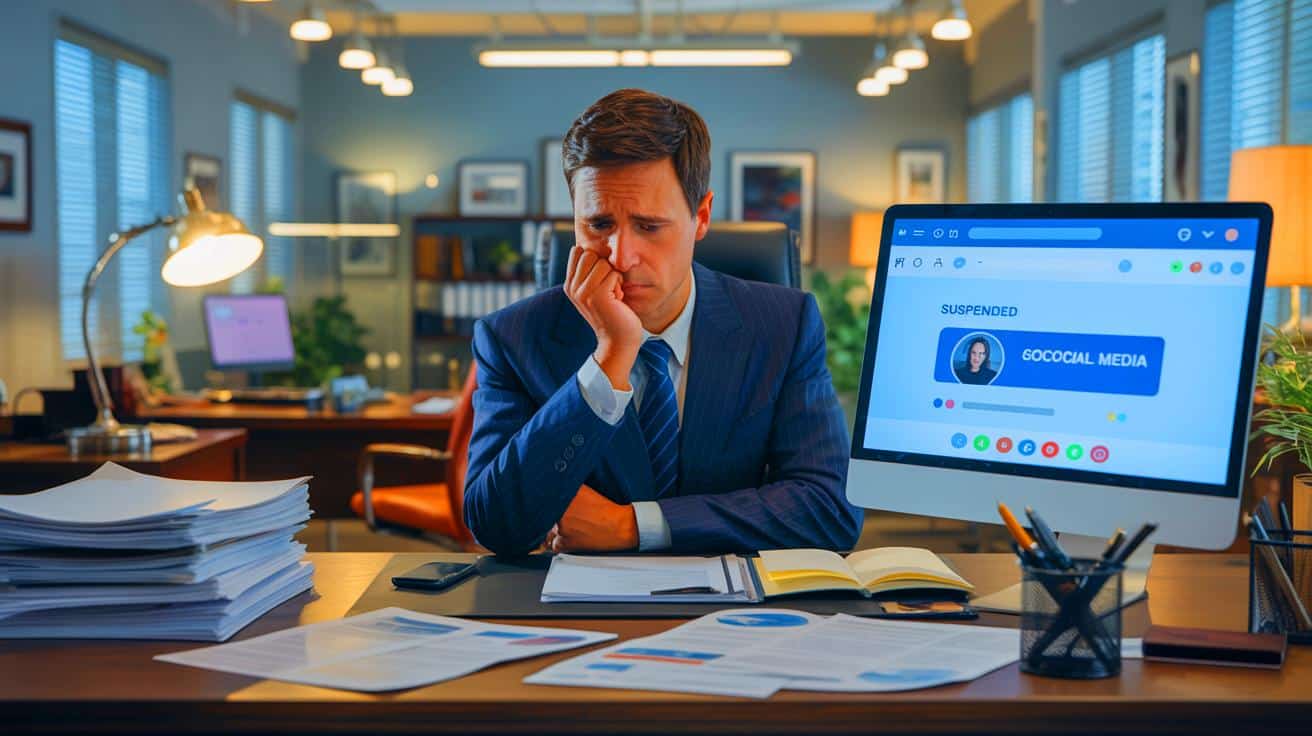
In the digital age, names can hold remarkable power, especially when they coincide with those of influential figures. For Mark Steven Zuckerberg, a bankruptcy attorney from Indianapolis, sharing a name with Mark Elliot Zuckerberg, the renowned billionaire and CEO of Meta, has brought unexpected challenges. The attorney’s struggle with social media account suspensions highlights the complexities of digital identity and the unintended consequences of name recognition in the virtual world.
The Tale of Two Mark Zuckerbergs
Mark Elliot Zuckerberg is a household name, synonymous with innovation and wealth as the CEO of Meta, formerly known as Facebook. His ventures into areas such as social media and virtual reality have made him a prominent figure globally. On the other hand, Mark Steven Zuckerberg, an attorney based in Indianapolis, remains largely anonymous to the public. Yet, his story underscores the peculiar difficulties that can arise from sharing a name with such a prominent individual.
For the attorney, having the same name as a tech magnate has led to significant complications in his professional life. Social media platforms, crucial for modern business communication, have repeatedly suspended his accounts, presumably due to automated systems mistaking him for the more famous Zuckerberg. Over the past eight years, his professional account has been suspended five times, while his personal account faced four suspensions. These disruptions not only hinder his ability to connect with clients but also impact his reputation and livelihood.
Cultural Heritage Goes Digital: Yan Zeng Honored with Red Dot for Tie-Dye Revival App
Challenges in Communication and Legal Action
In an interview with WTHR 13News, Mark Steven Zuckerberg expressed his frustration over the recurring suspensions. Despite numerous email exchanges with Meta and assurances of account restoration, the suspensions have continued. Meta representatives have acknowledged the error, stating, “We have restored Mark Zuckerberg’s account after determining it was mistakenly deactivated. We appreciate his patience and are working on a solution to prevent future occurrences.”
However, the attorney is unsatisfied with this response and has opted to pursue legal action against Meta. He argues that, despite Meta’s vast resources and technological prowess, they have failed to resolve this issue effectively. “They have more money, more lawyers, and more resources than me,” he said. “For a company that positions itself as a global tech leader, how can they not stop this? Their appeal process seems ineffective. I believe they have a problem.” His decision to take legal action underscores the broader implications of digital identity management and accountability in the tech industry.
From charts to conversations: a real review of Hint App, The Pattern, and TimePassages
A Unique Proposal for Compensation
Mark Steven Zuckerberg’s demands from Meta include the permanent restoration of his accounts, reimbursement of legal fees, and compensation for the financial losses he incurred during the suspensions. Confident in his case’s validity, he asserts, “It’s far from funny, especially when it harms my financial interests.”
Moreover, the attorney has made a rather unconventional request for a personal apology from Mark Elliot Zuckerberg. He humorously suggested, “If he wants to come here in person and say ‘I’m sorry,’ or maybe let me spend a week on his yacht as an apology, I would probably accept.” This playful remark highlights the disparity in their socio-economic statuses and offers a glimpse into the personal impact of this unusual situation. However, the feasibility of such a gesture remains unlikely.
The Broader Implications of Digital Identity
This case brings to the forefront the broader issues surrounding digital identity management and the responsibilities of tech companies in safeguarding user accounts. The challenges faced by Mark Steven Zuckerberg reveal the potential pitfalls of automated systems that fail to distinguish between individuals with similar names. Such incidents can have far-reaching consequences for individuals whose professional and personal lives depend heavily on digital platforms.
The attorney’s experience raises important questions about the accountability of tech giants like Meta and their duty to ensure accurate identity verification processes. It also highlights the need for robust mechanisms to address grievances and prevent recurring issues. As digital identities become increasingly significant in our interconnected world, the ability of tech companies to manage and protect these identities effectively is crucial.
The case of Mark Steven Zuckerberg versus Meta underscores the complexities of living in a world where digital identity holds significant weight. It highlights the unintended consequences of name recognition and the challenges individuals face when their identities are entangled with those of influential figures. As the legal proceedings unfold, broader questions about digital identity management and accountability in the tech industry emerge. How can companies like Meta better protect users from unintended consequences, and what measures can be implemented to ensure fair and accurate identity verification?




Wow, I never considered the problems of having a famous name. Poor guy! 🤔
Wow, what are the odds of having the same name as Mark Zuckerberg? 🤯
Isn’t there a way for Meta to fix this? Seems like a simple tech issue.
Can’t believe Meta can’t sort this out. It’s just a name! 🙄
Haha, I love how he asked for a week on the yacht as compensation! 😂
Meta should definitely do more to prevent these kinds of mistakes. It’s 2023!
Is it legal to sue someone because you share their name?
Why didn’t Meta resolve this sooner? Seems like a no-brainer with their resources.
Mark should just change his name to avoid this mess. Problem solved! 😂
Is there any chance Mark Elliot Zuckerberg will actually apologize?
Isn’t it ironic that a lawyer is suing Meta for mistaken identity? 😅
Why does this keep happening after eight years? Come on, Meta!
How does this even happen? Don’t they have checks in place for this sort of thing?