





| IN A NUTSHELL |
|
In a groundbreaking development for solar energy, a new cost-effective and flexible solar cell has been created, boasting a lifespan nearly ten times longer than its predecessors. This innovation is poised to revolutionize solar energy production and offers a glimpse into the future of sustainable energy. The advancement leverages cutting-edge technology to enhance the performance and durability of solar cells, signaling a potential shift in how we harness the power of the sun.
The Significance of Perovskite in Solar Energy
Perovskite is a crystalline material that has garnered significant attention for its potential in solar energy production. Unlike traditional silicon-based solar technologies, perovskite can be produced at a lower cost and applied to flexible surfaces, opening up new possibilities for integrating solar energy into everyday objects. This flexibility allows perovskite cells to be printed onto various surfaces, such as cars or mobile devices, enabling on-the-go charging and innovative applications.
Perovskite solar cells are capable of converting light into electricity with efficiency levels comparable to, or even exceeding, those of silicon cells. However, their primary limitation has been their durability, as they quickly degrade when exposed to humidity and light. Recent research breakthroughs have addressed this issue by incorporating nanoparticles into the cells’ structure, significantly enhancing stability and longevity. This innovation has the potential to make solar energy more accessible and affordable, contributing positively to the shift towards renewable energy sources.
The Role of Nanoparticles in Enhancing Perovskite Solar Cells
The integration of nanoparticles into perovskite solar cells represents a significant technological advancement. These nanoparticles, especially those made of aluminum oxide, serve as a barrier against moisture, preventing the rapid degradation that has plagued perovskite cells. By doing so, they effectively increase the cells’ resistance to environmental factors that typically shorten their lifespan.
In addition to providing protection, nanoparticles enhance the electrical conductivity of the cells, leading to more efficient light-to-electricity conversion. The result is a marked improvement in performance and an extended lifespan for solar cells. Researchers have tested these enhanced cells under extreme conditions, demonstrating their resilience and effectiveness over prolonged periods. These advancements pave the way for the wider adoption of perovskite cells in the solar energy sector.
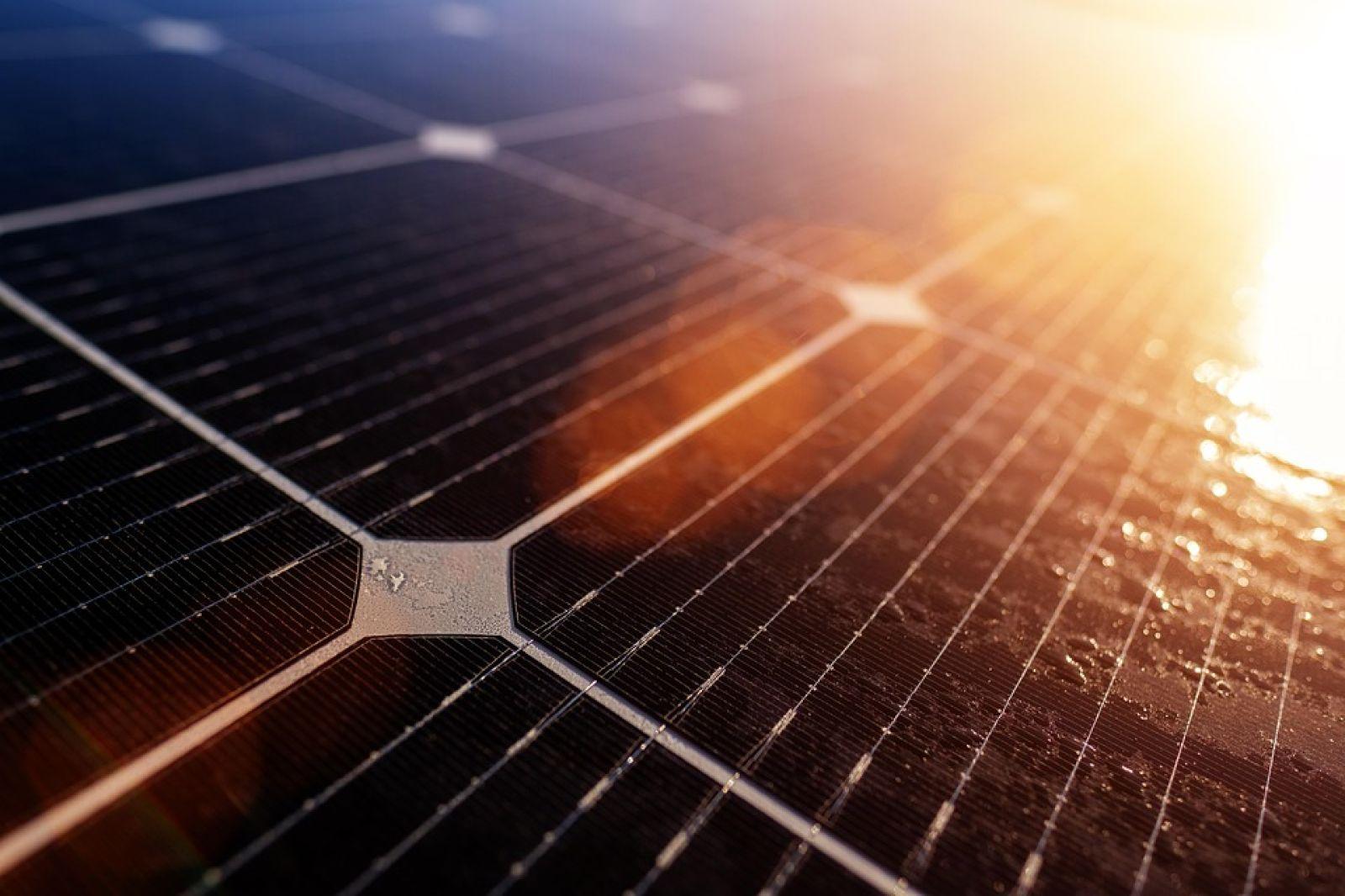
Real-World Testing and Results
The new perovskite solar cells have undergone rigorous testing under extreme heat and humidity conditions. The modified cells maintained high performance for over two months, a significant improvement compared to the mere 160 hours exhibited by unenhanced cells. This durability marks a crucial step toward developing high-performance solar cells capable of withstanding real-world conditions, bringing their commercial use closer to reality on a global scale.
By incorporating aluminum oxide nanoparticles into the cells during manufacturing, researchers have not only prevented iodine leakage but also created a more uniform and conductive structure. This innovation has resulted in solar cells that are not only more durable but also more efficient. As the research progresses, scientists are optimistic about further enhancing these gains, potentially leading to even more robust and reliable solar energy solutions.
The Future of Solar Energy with Perovskite Cells
This breakthrough in the stability and performance of perovskite solar cells opens up new avenues for their adoption as a primary energy solution. As researchers continue to explore and optimize this technology, the prospect of widespread, affordable solar energy becomes increasingly feasible. With improved durability and efficiency, perovskite cells could play a pivotal role in the global transition to renewable energy sources, helping to reduce our reliance on fossil fuels.
The advancements in perovskite solar cell technology highlight the potential for innovation in the energy sector. As we move forward, the question arises: How will the continued development of perovskite solar cells influence the broader landscape of renewable energy in the coming years?


Wow, this is a game-changer for the renewable energy sector! Excited to see what this means for the future of solar power. 🌞
Can these new solar cells be used in residential solar panels, or are they just for industrial use?
I’m a bit skeptical. How do we know the tests under extreme conditions are truly representative of real-world scenarios? 🤔
Thank you for sharing this breakthrough! It’s incredible to see tech advancing in such impactful ways. 🙏
Does anyone know how much these new solar cells will cost compared to traditional ones?
Any word on the lifespan of these cells under normal use conditions? 10x longer is impressive!
Love the innovation, but what’s the environmental impact of producing these nanoparticles? 🌍
This sounds promising, but how long before it’s available to the public?
I’m curious, how do these new cells compare in efficiency to the latest silicon-based ones?
Great news! This could really accelerate the adoption of solar energy worldwide. 🌐
Is there a limit to how much energy these perovskite cells can produce?
I hope this tech doesn’t end up being too expensive for developing countries. 🤞
Incorporating them into cars could be revolutionary. Never worry about charging again! 🚙
Appreciate the detailed explanation on nanoparticles and their role. Very informative!
Honestly, not sure if I trust these new materials over good old silicon. 🤨
Wow, 10 times longer lifespan? That’s incredible! This could really lower the cost of solar energy.
How does the production process of perovskite cells compare environmentally to silicon cells?
Can’t wait to see these in action! Will they be on the market soon? 🛒
Is this technology scalable for large solar farms, or is it more suited for smaller applications?
What about recycling? Are these new cells recyclable? ♻️
Finally, solar cells that don’t degrade in the rain! My rooftop panels might get an upgrade soon. 😂
As someone in the solar industry, this is very exciting news. Keep the innovations coming!
Hope to see these deployed in remote areas where power is scarce. 🌄
The integration with nanoparticles is fascinating. How stable are these under UV light?
Are there any potential drawbacks of using aluminum oxide nanoparticles in the cells?
Great article! This is exactly the kind of innovation we need for a sustainable future. 🌱
Does this mean we can finally say goodbye to energy bills? 😅
This could change everything! Imagine solar panels that last decades without replacement. 🔋
Has there been any testing on how these cells perform in snowy conditions?
Thank you for highlighting the potential of perovskite. It’s an under-discussed topic!
I’m curious about the manufacturing process. Is it energy-intensive? ⚙️
So, will existing solar panel owners be able to upgrade to this technology easily?
Finally, a breakthrough that could make solar power truly mainstream! 🌞
I’m excited to see how this tech evolves and what impact it will have on our energy consumption.
Keep up the good work! This is exactly the innovation the world needs right now. 💪
Are there any plans to integrate this tech into electric vehicles? Sounds like a perfect match! 🚗
Thank you researchers for pushing the boundaries of what’s possible in clean energy! 👏
Seems too good to be true… What’s the catch with these solar cells?
The ability to print these onto flexible surfaces is mind-blowing. Imagine the possibilities! 📱