




| IN A NUTSHELL |
|
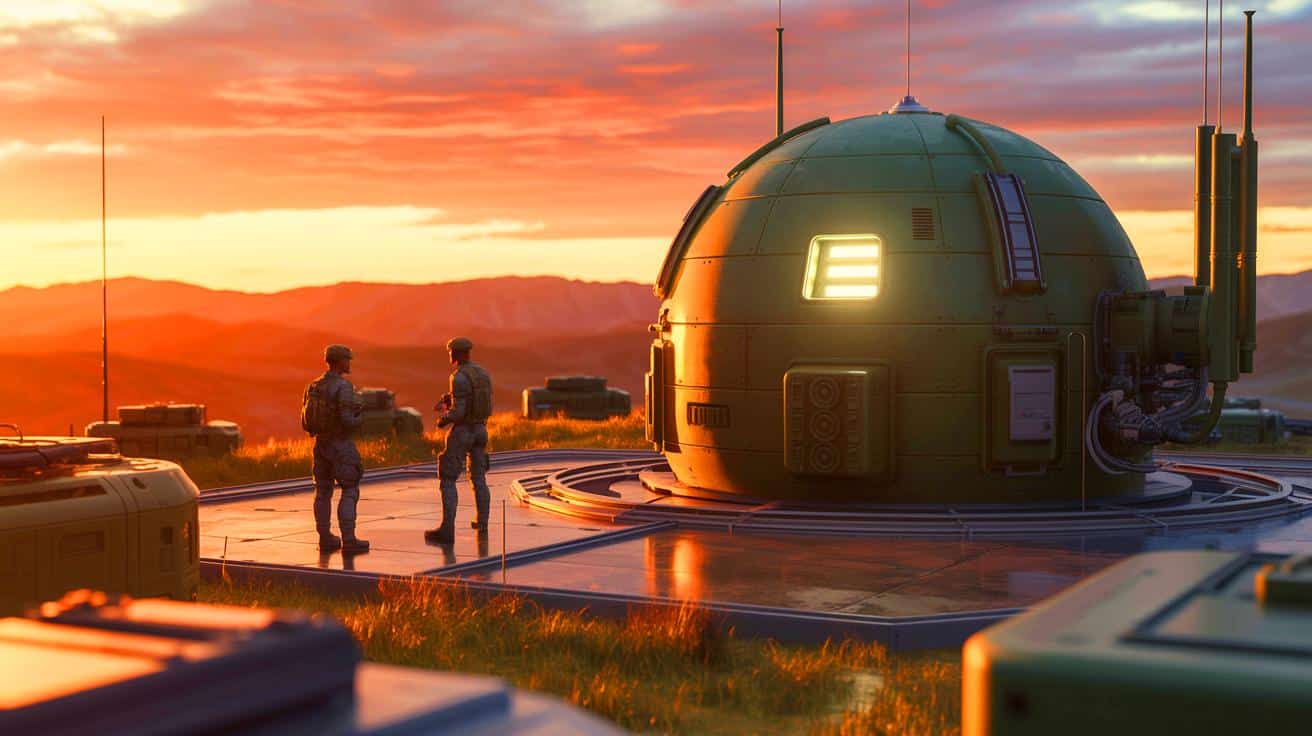
In a significant development for energy security within the United States military, the introduction of small nuclear reactors at forward military bases has been announced. This initiative, led by the Janus program, marks a critical shift towards resilient and sustainable energy solutions for national defense installations. The program, unveiled at the Association of the United States Army Annual Meeting, aims to deploy innovative nuclear technologies to ensure uninterrupted power supply, thereby enhancing operational capabilities. The collaboration between the US Army and the Department of Energy underscores a strategic move to reduce dependency on traditional fossil fuels, addressing both logistical challenges and environmental concerns.
Nuclear Reactors to Power the US Army’s Military Bases
The US Army has long sought alternatives to traditional energy sources for powering its bases. Current reliance on diesel generators poses several challenges, including lengthy supply chains and vulnerabilities in crisis situations. The introduction of nuclear reactors is set to revolutionize this landscape. Unlike diesel generators, nuclear reactors offer the benefit of running for decades without the need for refueling or extensive servicing. This ensures a continuous power supply, crucial for maintaining military operations.
Previously, the Department of Defense initiated Project Pele, focusing on developing transportable nuclear microreactors using fourth-generation technologies. The goal is to have these reactors operational by 2026, providing a reliable power source that can be easily mobilized. Moreover, a recent agreement with the X-energy Reactor Company highlights ongoing efforts to advance commercial microreactor designs. Through the Advanced Nuclear Power for Installations program, the military aims to integrate cutting-edge nuclear solutions into its infrastructure.
The Newly Announced Janus Program
The Janus program, as outlined by Executive Order 14299, mandates the deployment of advanced nuclear reactor technologies for national security purposes. The Department of War, in partnership with the Department of Energy, is tasked with overseeing this initiative to ensure it meets stringent safety and transparency standards. The program aims to deploy up to 12 micro nuclear reactors by July 2026, demonstrating a commitment to tangible results.
Dr. Jeff Waksman emphasized the practical approach of the Janus program, focusing on delivering operational hardware rather than theoretical solutions. The program draws lessons from Project Pele to refine its strategies and enhance its impact on defense capabilities. By spearheading this initiative, the Army not only strengthens its energy resilience but also contributes to the broader nuclear supply chain. This strategic move is expected to bolster both defense and industrial capabilities, positioning the military at the forefront of energy innovation.
Strategic Implications for National Defense
The transition to nuclear energy within military bases carries significant strategic implications. By reducing reliance on fossil fuels, the military enhances its operational autonomy and resilience. This shift not only addresses logistical challenges but also aligns with broader environmental goals. The use of nuclear reactors minimizes the carbon footprint associated with traditional energy sources, contributing to sustainability efforts.
Moreover, the integration of nuclear technologies into military infrastructure reflects a broader trend of innovation within the defense sector. By adopting advanced energy solutions, the military sets a precedent for other sectors to follow. This initiative underscores the importance of technological advancement in maintaining national security and operational readiness. As the Janus program progresses, its outcomes will likely influence future energy policies and defense strategies.
Collaborative Efforts and Future Prospects
The collaboration between the US Army and the Department of Energy highlights the significance of inter-agency partnerships in advancing national interests. By pooling resources and expertise, these entities can effectively address complex challenges associated with energy security. The Janus program serves as a model for future collaborations, demonstrating the potential of joint efforts in achieving ambitious goals.
As the program unfolds, it will be essential to monitor its impact on military operations and energy policies. The successful deployment of micro nuclear reactors could pave the way for further innovations in energy technology. By prioritizing sustainability and resilience, the military can continue to lead the way in developing solutions that benefit both national defense and the environment.
The introduction of the Janus program marks a pivotal moment in military energy strategy, promising significant advancements in energy security and operational resilience. As the US Army and the Department of Energy collaborate to implement this initiative, the potential for widespread impact is considerable. How will these advancements shape the future of military operations and influence broader energy policies across sectors?


Wow! Nuclear reactors on military bases? This sounds like a sci-fi movie plot! 🤯
Wow, nuclear reactors on military bases? That’s a game changer! 🚀
Is it safe to have nuclear reactors so close to military personnel? 🤔
Isn’t it risky to have nuclear reactors so close to military personnel? 🤔
I hope they have plans in place for potential meltdowns! 😬
Thank you for the insightful article. This is a bold step forward for energy independence! 🌍
This could be a game-changer for military energy strategy. Let’s see how it unfolds. 🌟
Doesn’t this make military bases potential targets for cyber attacks?
Why didn’t they think of this sooner? Seems like a perfect solution for energy security.
Thank you for shedding light on this intriguing development! Keep us posted. 🙌
Aren’t nuclear reactors too expensive to maintain? 🤷♂️
12 reactors by 2026? That’s ambitious!
Can someone explain how these microreactors work? I’m not familiar with the technology.
Could this technology eventually be used in civilian applications?
I’m all for reducing reliance on fossil fuels, but nuclear energy comes with its own risks.
This sounds like a sci-fi movie plot. Are we really ready for this kind of tech?
Interesting move by the military. I wonder how this will affect the local environment around bases. 🌿