



| IN A NUTSHELL |
|
The discovery of significant lithium deposits in the wastewater from shale gas wells in Pennsylvania marks a pivotal moment for the energy sector in the United States. As the world shifts toward renewable energy sources and electric vehicles, the demand for lithium—a critical component in modern batteries—has skyrocketed. This newfound resource could potentially meet nearly half of the nation’s lithium needs, reducing reliance on imports and bolstering energy independence. This development underscores the importance of innovative resource management and the strategic potential of domestic energy reserves.
The Untapped Lithium Source in Pennsylvania
Recent research into wastewater from shale gas wells in the Marcellus region of Pennsylvania has revealed significant lithium concentrations. Researchers from the University of Pittsburgh discovered that wastewater generated by hydraulic fracturing contains notable amounts of dissolved lithium. This finding was made possible due to Pennsylvania’s stringent regulatory requirements for wastewater analysis, which mandate detailed reporting from each drilling site. These procedures have allowed researchers to map potential lithium deposits in the area, paving the way for possible exploitation.
The implications of this discovery are substantial. Estimates suggest that these wastewater resources could potentially supply up to 40% of the United States’ lithium needs. Such a supply could significantly impact national battery production, playing a crucial role in reducing dependence on lithium imports. This is particularly relevant as the transition to renewable energy sources and the growth of electric vehicles continue to increase lithium demand. However, moving from discovery to commercial exploitation will require the development of sustainable extraction techniques.
Environmental Impact of Lithium Extraction
Extracting lithium from shale gas wastewater presents significant environmental challenges. Currently, these wastewaters are often minimally treated before being reinjected underground. This standard practice can lead to environmental contamination, particularly in groundwater aquifers, and potentially increase seismic risks. A method to extract lithium from these wastewaters could repurpose these industrial byproducts, contributing to a more sustainable and secure management approach.
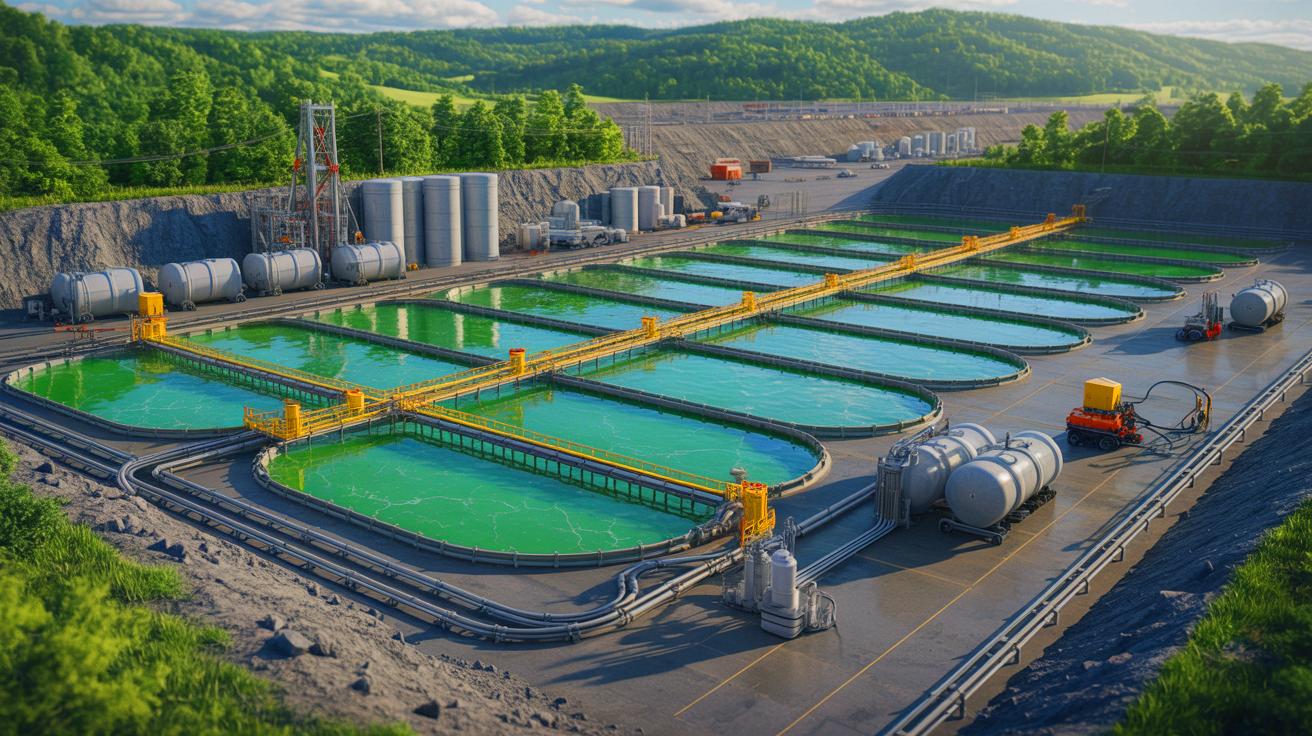
An innovative pilot facility is being developed to address these challenges. This facility will aim to develop extraction techniques that minimize environmental impacts while maximizing lithium recovery efficiency. Advanced physico-chemical processes are likely to be involved in selectively isolating lithium and treating other contaminants in the wastewater. This approach will allow for real-world testing and refinement of methods before any potential industrial-scale implementation. The success of this pilot project could transform shale gas wastewater management into a significant economic and ecological opportunity, providing a new domestic lithium source while improving the sustainability of energy industry practices.
The Promise of American Lithium
Interest in American lithium extends beyond Pennsylvania, encompassing areas like California, where the Salton Sea presents a particularly promising resource. This saline body of water in California's Imperial Valley was created by an accidental flooding of the Colorado River and is rich in geothermal brines containing high lithium concentrations. Ongoing projects in this region aim to exploit these brines for lithium extraction, potentially satisfying a significant portion of national demand while boosting the local economy through job creation and technological innovation.
The year 2024 could be decisive for the U.S. lithium industry. A Forbes analysis highlights that exploiting domestic lithium resources could significantly reduce dependence on imports, enhancing the country's energy security. This increased independence is crucial amid geopolitical tensions and fluctuations in the international market. Furthermore, domestic lithium production could accelerate the transition to renewable energy and electric vehicles, essential elements of the U.S. strategy to reduce greenhouse gas emissions and combat climate change. By investing in lithium extraction and processing infrastructure, the United States positions itself to become a global leader in green technologies.
Challenges and Opportunities
Despite the promising potential of new lithium sources, challenges remain. Sustainable extraction methods must be developed to ensure minimal environmental impact. The economic viability of these methods is also critical, as the costs of extraction and processing must compete with existing lithium sources. Furthermore, regulatory frameworks will need to adapt to accommodate new technologies and practices while ensuring environmental protection.
Opportunities abound for innovation and collaboration between industry, government, and academia. Successful development and implementation of lithium extraction technologies could result in economic growth, job creation, and enhanced energy security. As the world increasingly turns toward sustainable energy solutions, the United States has the chance to lead in producing the essential materials that power these technologies.
The discovery of lithium in unconventional sources like wastewater highlights the potential for rethinking resource management. As we look to the future, how can technological innovation and regulatory frameworks align to ensure sustainable growth in the energy sector? This question remains at the heart of discussions on the future of energy and resource management in the United States.

Wow, who knew fracking wastewater could be a goldmine? 🚀
Wow, who knew waste water could be so valuable? 💧🔋
Is this lithium extraction process environmentally friendly?
Does this mean fracking is good now? I’m confused. 🤔
Finally, some good news from the fracking industry! 🙌
Great discovery! But what about the environmental impact? 🌍💔
Can the current technology really extract lithium efficiently?
This could change the entire energy landscape in the U.S.!
How soon can we expect to see lithium extraction from these sources become commercially viable?
How soon can we expect to see this lithium on the market?
Why are we only finding out about this now? Has it been under our noses all this time?
Isn’t fracking already controversial enough without adding lithium extraction?
What’s the catch? There’s always a catch… 🤔
This sounds like a game-changer for the US battery market! 🔋🇺🇸
How much will this new lithium source reduce our dependency on imports?
Can this method of lithium extraction be scaled up efficiently?
What happens if this plan fails to deliver on its promises?