




| IN A NUTSHELL |
|
The potential for human error in high-stakes environments is a persistent concern, highlighted by recent events at the Golfech nuclear power plant in France. On June 15, 2025, a critical mistake was narrowly averted, preventing potentially severe consequences. A technician inadvertently closed the wrong cooling valve, leading to an 18-hour shutdown of a critical system. This incident, reminiscent of historical nuclear mishaps, underscores the essential role of vigilance and robust safety protocols in nuclear operations. As we examine this event, it serves as a crucial reminder of the delicate balance required to maintain safety in nuclear power facilities.
An Operation That Almost Went Awry
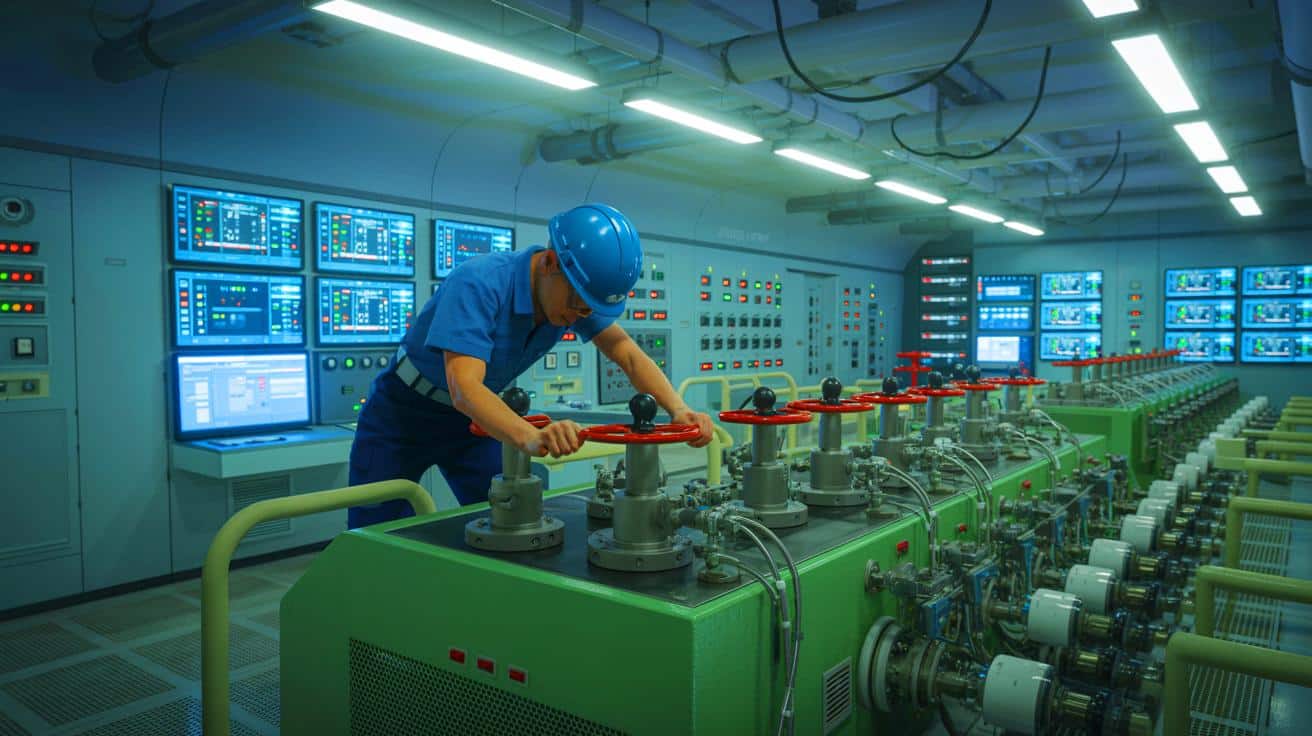
Human error remains a significant risk in routine operations, particularly in high-stakes environments like nuclear power plants. The incident at Golfech underscores this reality. During a standard inspection of Unit 2, a technician inadvertently closed the cooling valve for Reactor No. 1, which was still operational. This mistake resulted in an 18-hour interruption of the reactor’s cooling system, elevating the risk of a major incident.
The cooling system is vital for preventing overheating in nuclear reactors. The technician’s error interrupted this critical process, but the mistake was detected late in the evening, and the system was restored within 30 minutes. Although the swift response prevented severe consequences, the incident serves as a cautionary tale about the potential dangers inherent in nuclear operations and the need for constant vigilance.
Why Is Cooling Essential for Nuclear Reactors?
Cooling is a fundamental aspect of nuclear reactor operations, critical for preventing overheating and potential disasters. In nuclear reactors, electricity is generated through the fission of uranium atoms, which produces significant heat. This heat transforms water into steam, driving turbines to produce electricity. Without proper temperature regulation, a meltdown could occur, leading to catastrophic consequences.
To manage the heat, reactors typically use water from nearby rivers or seas to maintain a stable temperature. The importance of these cooling systems cannot be overstated, as their failure could result in severe environmental and human impacts. The incident at Golfech highlights the critical role these systems play in ensuring the safety and stability of nuclear operations.
Lessons Learned from the Golfech Incident
The Golfech incident serves as a potent reminder of the challenges involved in nuclear plant operations and the importance of stringent safety protocols. The occurrence of such an error during a routine task underscores the need for continuous training and vigilance. It raises questions about the adequacy of current safety measures and whether additional checks are necessary to prevent similar incidents.
In response to this event, nuclear facilities globally may need to review their procedures and consider implementing more robust systems for monitoring and error prevention. The Golfech incident is a valuable lesson in the critical nature of nuclear safety and the potentially devastating consequences of human error in such sensitive environments.
The Future of Nuclear Safety
Looking to the future, the Golfech incident prompts a reevaluation of nuclear safety strategies. Technological advancements present opportunities for more automated systems to reduce human error. However, balancing technology and human oversight remains crucial, as both play vital roles in ensuring safety.
Nuclear energy continues to be a significant part of the global energy mix, offering a low-carbon alternative to fossil fuels. Therefore, enhancing safety protocols and learning from past incidents are essential for the sustainable development of nuclear energy. The question remains: how can the nuclear industry further innovate to ensure these critical systems are fail-safe and secure from human error?
The Golfech incident serves as a critical reminder of the intricate balance required in nuclear operations. As the industry moves forward, the potential to innovate and enhance safety measures remains vast. The challenge is to integrate technology and human oversight effectively to mitigate risks and ensure safety. As the world continues to rely on nuclear power as a sustainable energy source, how can we develop these systems to be more resilient, minimizing the chances of human error while maximizing safety?


Wow, 18 hours without cooling? That’s terrifying! 😱
Sounds like someone needs more training. 😬
The language of “pipes bursting like burning arteries” is a bit dramatic, no?
Are there any penalties for the technician who made the mistake?
This article is an eye-opener! We need to rethink nuclear safety.
Does this mean nuclear power is too risky to rely on?
What measures are being taken to prevent this from happening again?
Thank you for this informative piece. It’s crucial to understand these risks.
Why isn’t there more automation in these critical processes?
Could this incident have long-term impacts on the plant’s operations?
Someone needs a raise for catching that mistake! 🙌
I’m curious, how is the public informed about such incidents?
Is it just me, or does this sound like a plot from a disaster movie?
How does this compare to past incidents in nuclear plants?
This is why I fear nuclear power plants. Human error is inevitable.
Can we really trust nuclear energy with such risks involved? 🤔
Who oversees these safety protocols? Are they being held accountable?
Seems like there needs to be better communication among the staff.
Are nuclear plants in other countries facing similar issues?
I’m grateful they avoided a catastrophe, but it’s still concerning.
Can the public visit these plants to understand safety measures better?
This makes me wonder about the future of nuclear energy. Is it sustainable?
How often do such incidents actually happen? Are they more common than we think?
Thank goodness they caught the mistake in time!
Can you imagine if they hadn’t noticed the error? Disaster averted!
Is there a backup system for cooling in case of such failures?
Thank you for bringing this to our attention. We need to be more aware of these risks.