



| IN A NUTSHELL |
|
Recent events at the Golfech nuclear power plant in France have highlighted the ongoing challenges faced in managing the delicate balance of nuclear operations. On June 15, 2025, a critical error was narrowly averted when a technician mistakenly closed the wrong cooling valve, leading to an 18-hour shutdown of a crucial cooling system. Although the incident was resolved without any harmful outcomes, it underscores the importance of enhanced safety protocols and constant vigilance. This event serves as a stark reminder of the potential dangers inherent in nuclear energy production and the critical need for continuous oversight and improvement.
An Operation That Almost Went Awry
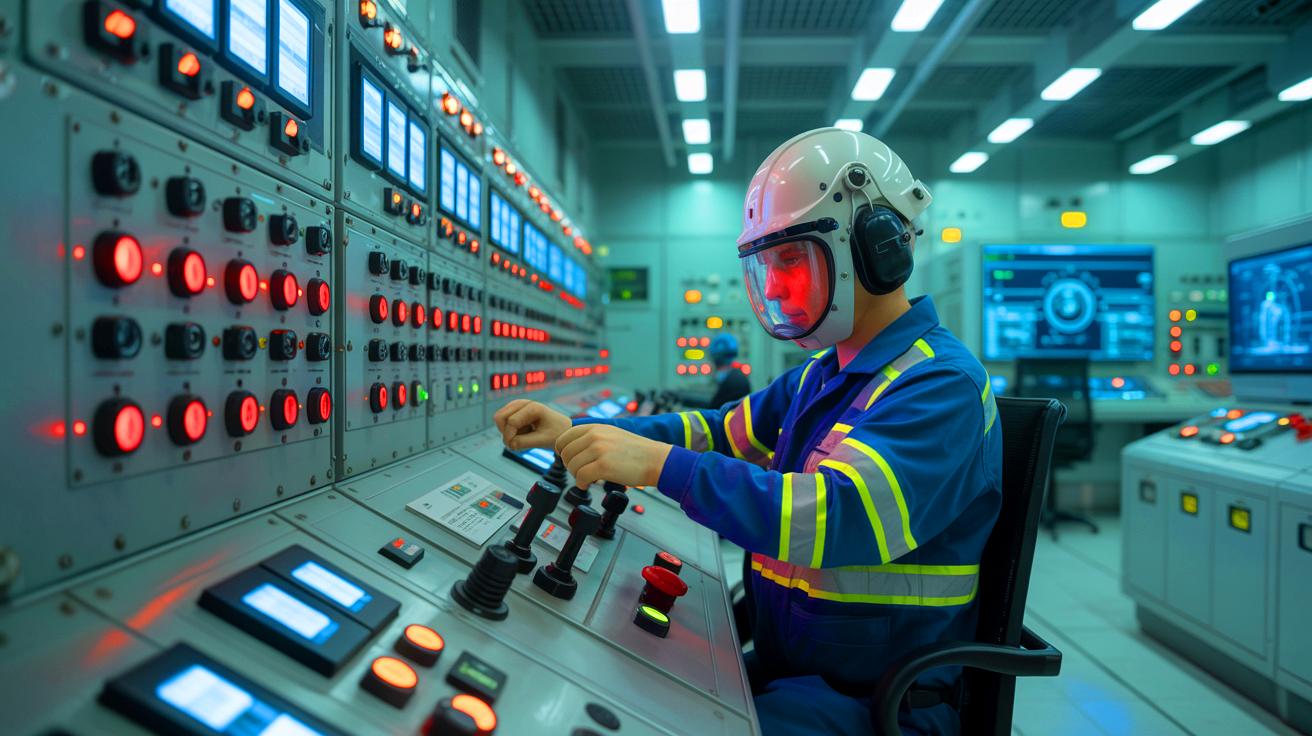
Human error is an ever-present risk in high-stakes environments, and the incident at the Golfech nuclear power plant is a testament to this reality. During a routine inspection, a technician inadvertently closed the cooling valve for an operational reactor, leading to an 18-hour interruption of the cooling process. The cooling system’s role is vital; it prevents the reactor core from overheating, which could result in a catastrophic meltdown. Fortunately, the mistake was detected and rectified within 30 minutes of discovery, preventing severe consequences.
While the swift response ensured safety, the incident serves as a crucial reminder of the latent risks in nuclear operations. It also raises questions about the adequacy of existing safety measures and the potential need for more stringent protocols. This event is a call to action for nuclear facilities worldwide to review their procedures and enhance their error prevention systems.
Why Is Cooling Essential for Nuclear Reactors?
Cooling systems in nuclear reactors are fundamental to maintaining safe operations. Nuclear reactors generate electricity through the fission of uranium atoms, which produces substantial heat. This heat is used to convert water into steam, driving turbines to generate electricity. However, if the reactor’s temperature isn’t meticulously controlled, it can lead to a meltdown, resulting in catastrophic environmental and human impacts.
To manage this heat, reactors typically utilize water from nearby rivers or seas, ensuring a stable and safe operating temperature. The failure of these systems could have dire consequences, making their proper function non-negotiable. The importance of these cooling systems cannot be overstated, as they are a cornerstone in preventing potential disasters in nuclear energy production.
Lessons Learned from the Golfech Incident
The near-miss at Golfech is a sobering reminder of the complexities involved in nuclear plant operations. The incident highlights the need for rigorous safety protocols and continuous training to minimize human error. It also prompts a reevaluation of existing safety measures and consideration of additional checks to prevent similar occurrences in the future.
In light of this event, it is imperative for nuclear facilities globally to reassess their monitoring systems and error prevention strategies. The Golfech incident is a valuable lesson in the critical nature of nuclear safety. It emphasizes the need for a proactive approach to safety that accounts for the potential impact of human error in such sensitive environments.
The Future of Nuclear Safety
The Golfech incident calls for a renewed focus on nuclear safety strategies as we look toward the future. Technological advancements offer the potential for more automated systems that reduce the risk of human error. However, finding the right balance between technology and human oversight is crucial, as both have integral roles in ensuring safety.
Nuclear energy remains a vital component of the global energy mix, providing a low-carbon alternative to fossil fuels. Therefore, enhancing safety protocols and learning from past incidents are essential for the sustainable development of nuclear energy. The critical question remains: how can the nuclear industry further innovate to ensure these systems are fail-safe and secure against human error?
As the world continues to grapple with the complexities of nuclear energy, incidents like the one at Golfech highlight the ever-present need for vigilance and innovation in safety protocols. The future of nuclear safety will undoubtedly require a blend of technological advancements and rigorous human oversight. How will the industry adapt to these challenges to ensure a safer, more sustainable future?


Wow, 18 hours without cooling sounds terrifying! 😱 How close was it to a real disaster?
Thank you for bringing this issue to light! The public needs to know about these near-misses. 🙌
Isn’t it time for nuclear plants to invest more in automated systems?
What specific safety protocols failed here, and how can they be improved?
Can someone explain why these cooling systems are not fail-safe?
This is why I’m skeptical of nuclear energy. Too much risk!
Were there any environmental impacts during the 18-hour period?