


| IN A NUTSHELL |
|
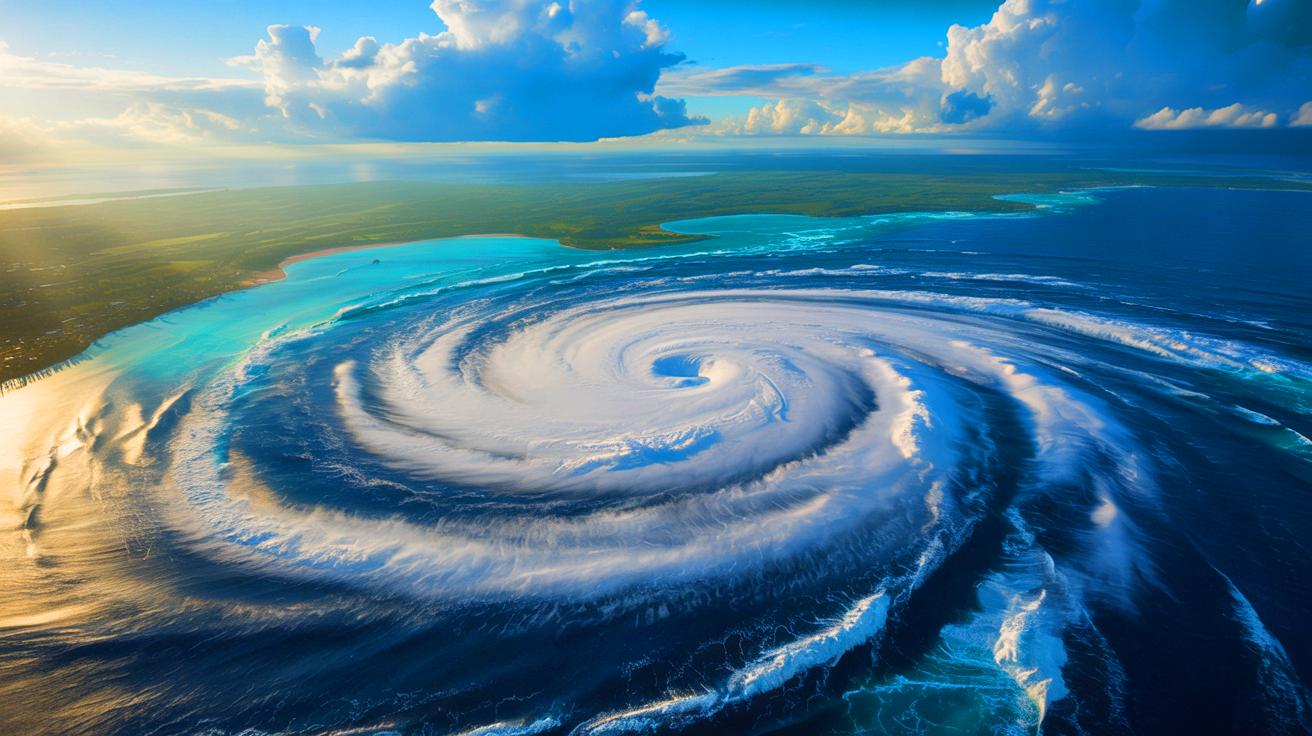
Hurricane Erin has captured the attention of meteorologists and the public alike due to its rapid intensification and expansive reach. Formed on August 11, Erin quickly gained strength and became a Category 5 hurricane with peak sustained winds of 160 mph. Although the hurricane has since weakened, it continues to pose significant risks, particularly along the East Coast of the United States. As coastal regions brace for potential impacts, the historical context of past hurricanes provides a sobering reminder of the destructive power these storms can wield.
The Unforgettable Impact of Hurricane Galveston
The Great Galveston Hurricane of 1900 remains the deadliest weather disaster in U.S. history. On September 8, the island city on the Texas Gulf Coast faced unparalleled devastation. With a death toll that reached at least 8,000, and possibly as high as 12,000, the hurricane left more than 10,000 residents homeless. Property losses were estimated at $30 million, a staggering sum at the time.
This catastrophe serves as a grim reminder of the potential for hurricanes to overwhelm even densely populated areas. The combination of storm surge and high winds proved deadly, anchoring the Galveston disaster in discussions of hurricane risks in the United States. The lessons learned from this tragedy continue to inform modern disaster preparedness and response strategies.
Hurricane Maria’s Lasting Legacy in Puerto Rico
Hurricane Maria struck Puerto Rico on September 20, 2017, as a Category 4 storm, leaving a trail of destruction. While the initial death toll was reported as 64, a study commissioned by Puerto Rico’s governor estimated 2,975 excess deaths in the months following the hurricane. The storm’s impact extended far beyond immediate fatalities, as the prolonged loss of power, water, and medical services exacerbated the humanitarian crisis.
Maria’s devastation highlighted the vulnerabilities in Puerto Rico’s infrastructure and underscored the need for resilient systems capable of withstanding severe weather events. The hurricane’s aftermath prompted discussions on improving emergency response and rebuilding efforts to prevent similar outcomes in future disasters.
The Devastation of the 1928 Okeechobee Hurricane
The 1928 Okeechobee Hurricane, a Cape Verde–type storm, wreaked havoc across Puerto Rico and South Florida. With at least 2,500 deaths, the storm’s impact was particularly severe around Lake Okeechobee, where a lake surge overtopped the surrounding areas, resulting in 1,836 fatalities in Florida alone.
The storm also caused significant damage in Puerto Rico and the Bahamas, highlighting the deadly potential of inland surge from large bodies of water. The destruction underscored the importance of understanding the unique threats posed by hurricanes in different geographical contexts and the need for tailored preparedness measures.
Katrina: A Stark Lesson in Vulnerability
Hurricane Katrina, which struck the Gulf Coast in August 2005, is remembered as one of the most catastrophic natural disasters in U.S. history. Responsible for approximately 1,200 deaths, the hurricane’s impact was magnified by the storm-surge flooding and levee failures in the New Orleans area. Large parts of the city and its suburbs were inundated, exposing the vulnerabilities of urban areas to such extreme weather events.
Katrina’s legacy serves as a critical lesson in the interplay between natural forces, engineering failures, and urban exposure. The disaster prompted a reevaluation of disaster preparedness and infrastructure resilience, with ongoing efforts to fortify vulnerable regions against future storms.
As Hurricane Erin approaches, the lessons from past hurricanes remain relevant. While Erin may not directly strike the U.S. mainland, the risks it poses to coastal regions are significant. From the historic devastation of Galveston to the modern challenges faced by Puerto Rico, each hurricane serves as a testament to nature’s power and humanity’s resilience. What measures will be taken to ensure communities are better prepared for future storms, and how can past experiences guide us in mitigating the impacts of such natural disasters?