


| IN A NUTSHELL |
|
In a groundbreaking development, researchers at the University of Delaware have unveiled a novel catalyst that accelerates the conversion of plastic waste into liquid fuels. This innovative approach offers a promising solution to the escalating issue of plastic pollution while simultaneously creating sustainable fuel sources. By using a unique mesoporous MXene catalyst, the team has achieved a faster and more efficient conversion process, potentially transforming how we manage plastic waste. This advancement not only highlights the potential of scientific innovation in addressing environmental challenges but also opens new avenues for sustainable energy production.
Mesoporous MXenes Unlock Polymers
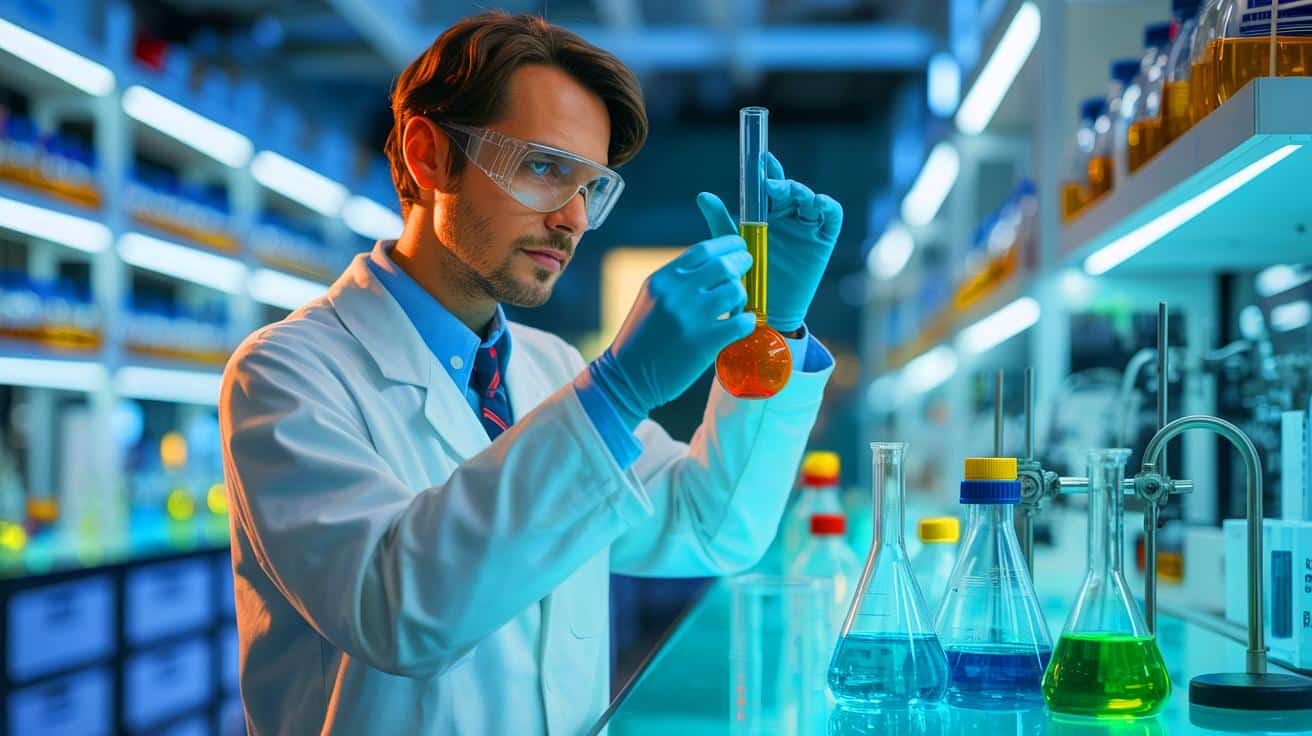
The University of Delaware research team focused on overcoming the limitations of conventional catalysts used in the hydrogenolysis of plastics. Traditional catalysts often struggle with the bulky nature of polymer molecules, hindering their ability to efficiently convert plastic into liquid fuels. To address this, the researchers turned to MXenes, a nanomaterial characterized by its two-dimensional, layered structure.
First author Ali Kamali explained that MXenes, resembling the pages of a book, initially presented challenges for plastic flow due to their stacked layers. To overcome this, the team innovatively inserted silica pillars between the MXene layers, creating mesoporous structures. This modification allowed polymers to flow more freely, increasing contact with the catalyst.
The mesoporous MXenes were then loaded with ruthenium and tested on low-density polyethylene (LDPE), a common plastic in shopping bags. In a pressurized reactor, the catalyst nearly doubled the reaction rates and improved selectivity by minimizing byproducts like methane. This breakthrough demonstrates the potential of nanostructured catalysts in enhancing plastic upcycling efficiency.
Turning Waste Into Fuel
With the successful application of the mesoporous MXene catalyst, the University of Delaware team is now focused on refining and expanding this technology. Their goal is to develop a comprehensive library of MXene-based catalysts tailored for various types of plastic waste. This initiative aims to transform plastic waste into a valuable resource, generating fuels and chemicals that can benefit both the environment and local economies.
The researchers are eager to collaborate with industry partners to scale this innovation and bring it to practical application. By integrating this technology into existing waste management systems, there is potential to significantly reduce plastic pollution while contributing to sustainable energy production. The team's work has been published in the journal Chem Catalysis, marking a significant step forward in the field of plastic upcycling.
Implications for the Environment and Economy
The development of this innovative catalyst has far-reaching implications for both environmental sustainability and economic growth. Traditional methods of plastic disposal often lead to accumulation in landfills or incineration, both of which pose environmental hazards. By converting plastic waste into liquid fuels, this new approach not only reduces pollution but also offers a more circular economy model, where waste is repurposed as a valuable resource.
This technology could also have significant economic benefits. By creating a market for recycled plastic fuels, industries could reduce their dependence on fossil fuels and lower their carbon footprint. Additionally, the production of sustainable fuels from plastic waste could stimulate job creation in the green technology sector, contributing to economic revitalization in communities affected by industrial decline.
Future Research and Challenges
While the mesoporous MXene catalyst presents a promising solution, there are challenges to be addressed in its development and implementation. Scaling up the production of these catalysts for industrial use requires further research and investment. Additionally, the economic viability of converting various types of plastic waste into fuels needs to be thoroughly evaluated to ensure widespread adoption.
The University of Delaware team is committed to overcoming these hurdles through ongoing research and collaboration with industry stakeholders. As they continue to refine their technology, the potential for a significant impact on global plastic waste management becomes increasingly feasible. Ultimately, the success of this innovation will depend on the integration of scientific advancements with policy support and industry engagement.
As we look to the future, the question remains: How can we best leverage scientific innovation to create sustainable solutions for the world's mounting environmental challenges?



Wow, this sounds like magic! Can this catalyst work on all types of plastics? 🧙♂️
Wow, this is groundbreaking! Can’t wait to see how this changes the game for plastic waste. 🌎
Finally, a real solution to plastic pollution! Thank you, scientists! 🌍✨
Are there any potential harmful emissions from the process of converting plastic to fuel?
How soon can this tech be implemented on a large scale? Asking for a planet in need. 😅
Why are oil companies just watching? Shouldn’t they be investing in this? 🤔
This sounds too good to be true. What’s the catch? 🤔
Is this process energy-intensive? I wonder about the carbon footprint of the conversion itself.
Great. Now let’s see how long it takes for big corporations to bury this tech. 😒
Finally, something that could actually help reduce plastic pollution. Thank you, scientists! 🙌
If true, this could be game-changing. But how cost-effective is it really?
How soon can we expect this technology to be available on a large scale?
Can this catalyst also help in reducing microplastic pollution in oceans?
Never thought I’d see the day when trash becomes treasure. 🚮💎
Gr8 work, but will it be economically viable for developing countries?
Will this technology create new jobs in the recycling industry?
Awesome. Hope it doesn’t take a decade to make this mainstream. ⏳
So, what happens to the byproducts like methane? Are they problematic? 🤷♀️
How is this different from the methods already used in chemical recycling of plastics?
Just another excuse for industries to keep producing plastic. 😡
Are there any downsides or risks associated with this new catalyst?
This is the kind of innovation we need more of! Keep it up, Delaware! 🎉
Can this method also be used for other types of waste, like e-waste?
Is the technology patent protected? Who owns it?
Game over for plastic waste. But what about the cost of scaling this tech?
What exactly is a mesoporous MXene? Sounds like something from a sci-fi movie. 🛸
It’s about time someone tackled the plastic problem head-on. Kudos to the researchers! 🌟
Could this catalyst be used in smaller-scale applications, like household recycling?
Hope this doesn’t turn into another ‘great idea’ that never sees the light of day. 🤞
How long did it take to develop this catalyst? The science behind it must be fascinating!
Will this technology affect the price of gasoline in the future? 💰
Seems like a good idea, but how do we ensure it’s used ethically?
Can we expect this to reduce the amount of plastic ending up in oceans?
How does this compare to other forms of energy recovery from waste?
Are there any environmental side effects of the catalyst itself? 🌱
Okay, but do we have enough funding and political will to make this happen?
What will it take for other universities to start similar research? 🌐
Would love to see this in action! Any videos or demonstrations available? 📹
How long until oil companies start buying these patents to lock them away? 🤨
Can this be integrated into current recycling facilities, or does it require new infrastructure?
Does this work on a global scale, or are there regional limitations?
The devil is in the details. I’d like to see more data on this. 📊
Are we ready for a future with less plastic waste and more sustainable fuel? 🙌
This could be a turning point in waste management. Let’s hope it lives up to the hype. 🕺
Finally, science doing something good for the planet. More of this, please! 🌿