




| IN A NUTSHELL |
|
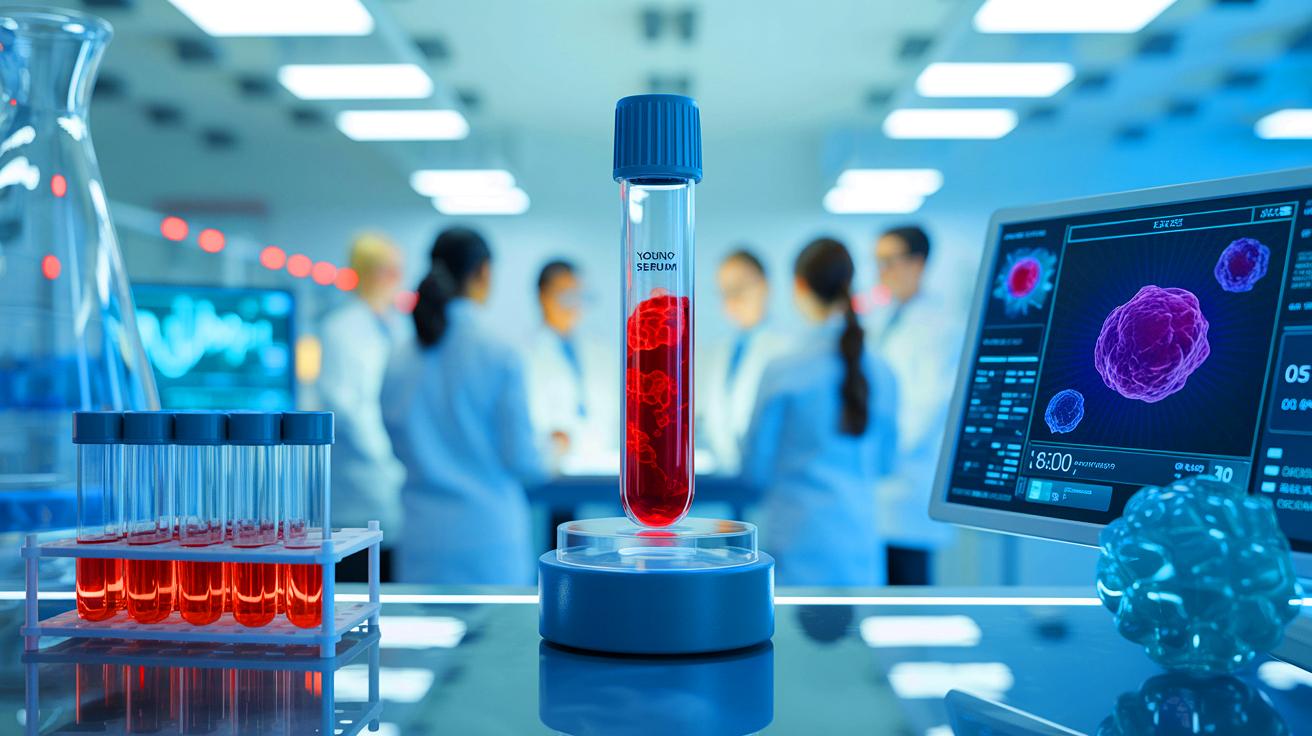
The pursuit of youthful skin has long been a coveted goal, fueling industries and inspiring countless myths. Recent scientific developments suggest that what was once considered fantasy may have a foundation in reality. A groundbreaking study by Beiersdorf AG reveals that young blood, specifically from bone marrow cells, may hold the key to rejuvenating aging skin. This discovery, using advanced technology, could revolutionize the anti-aging industry, projected to reach $381.2 billion by 2032. By harnessing the potential of young blood, researchers aim to bridge the gap between traditional beliefs and modern science, setting the stage for a new era in skincare.
The Science Behind Young Blood
Beiersdorf AG, known for brands like NIVEA and Eucerin, conducted a study using a sophisticated 3D organ-on-a-chip system. This technology allowed researchers to simulate human biological processes in a controlled environment. The system incorporated a 3D skin model and a bone marrow model, which included stem cells responsible for blood cell production. By circulating blood serum from individuals under 30 and over 60, researchers observed the effects on skin aging and rejuvenation.
The study found that young blood serum triggered bone marrow cells to produce proteins that rejuvenated skin. These proteins increased cell proliferation, reduced biological age, and enhanced mitochondrial function. Notably, the presence of bone marrow cells was crucial for these effects. This finding aligns with previous animal studies, where exposure to youthful circulation led to tissue rejuvenation. The research identified 55 potential rejuvenating proteins, of which seven showed promising results for human skin cells.
Jaya Anand Singh’s Research Path : A Journey from Curiosity to Contribution
The Implications for Skincare
The concept of using blood for rejuvenation has roots in mythology, from vampires to ancient civilizations attributing special powers to blood. Today, cosmetic techniques like platelet-rich plasma (PRP) therapy use a patient’s blood to stimulate collagen production and cell renewal. Beiersdorf AG’s research suggests a new class of ingredients for topical anti-aging products: proteins derived from young bone marrow cells. These proteins could offer a scientifically-backed alternative to existing treatments, potentially transforming the skincare industry.
However, further research is necessary to fully understand the mechanisms and safety of these proteins. The findings, published in the journal Aging, provide a promising foundation for future studies. As the demand for effective anti-aging solutions grows, the implications of this research could extend beyond cosmetics, influencing broader medical and scientific fields.
The Future of Anti-Aging Research
The study on young blood serum and skin rejuvenation represents a significant advancement in anti-aging research. By translating heterochronic parabiosis experiments to human cell culture systems, scientists have taken a crucial step towards applying these findings to humans. The use of microphysiological systems (MPS), also known as organ-on-a-chip platforms, offers a novel way to study complex biological interactions. This approach allows researchers to explore the molecular mechanisms behind aging and develop innovative treatments.
The potential applications of this research are vast. Beyond skincare, understanding how young blood affects aging could lead to breakthroughs in regenerative medicine and age-related diseases. As scientists continue to unravel the mysteries of aging, the role of young blood and its components will likely remain a focal point of investigation. This research not only challenges existing paradigms but also opens new avenues for exploration and discovery.
Ethical Considerations and Challenges
While the prospect of using young blood to combat aging is exciting, it raises important ethical questions. The idea of harvesting young blood or its components for rejuvenation purposes must be approached with caution. Ethical considerations include donor consent, potential exploitation, and the long-term effects of such treatments. Additionally, the commercialization of young blood-based products could lead to unequal access, favoring those with financial means.
Addressing these challenges requires a balanced approach, integrating scientific innovation with ethical responsibility. Researchers, policymakers, and the public must engage in open dialogue to ensure that advancements in anti-aging research are conducted ethically and equitably. As the field evolves, the focus should remain on improving quality of life while upholding ethical standards.
The quest for eternal youth has taken a significant leap forward with the discovery of young blood’s potential to rejuvenate aging skin. This research, grounded in scientific rigor, offers a glimpse into the future of skincare and beyond. However, as we navigate the complexities of this new frontier, we must consider the ethical implications and societal impacts. How will these discoveries shape our understanding of aging, and what responsibilities do we bear in harnessing their potential?



Wow, this sounds like something out of a sci-fi movie! 🧛♂️
Is there any information on how safe these transfusions are for the donor and recipient?
Sounds like a modern twist on the vampire legend. I wonder what Bram Stoker would think! 😂
Thank you for providing such detailed information. This is fascinating!
I’m skeptical. Has this been tested on a large group of people yet?
What are the ethical implications of using young blood for cosmetic purposes?
This could be a game-changer for the skincare industry! Excited to see where this goes. 🌟