



| IN A NUTSHELL |
|
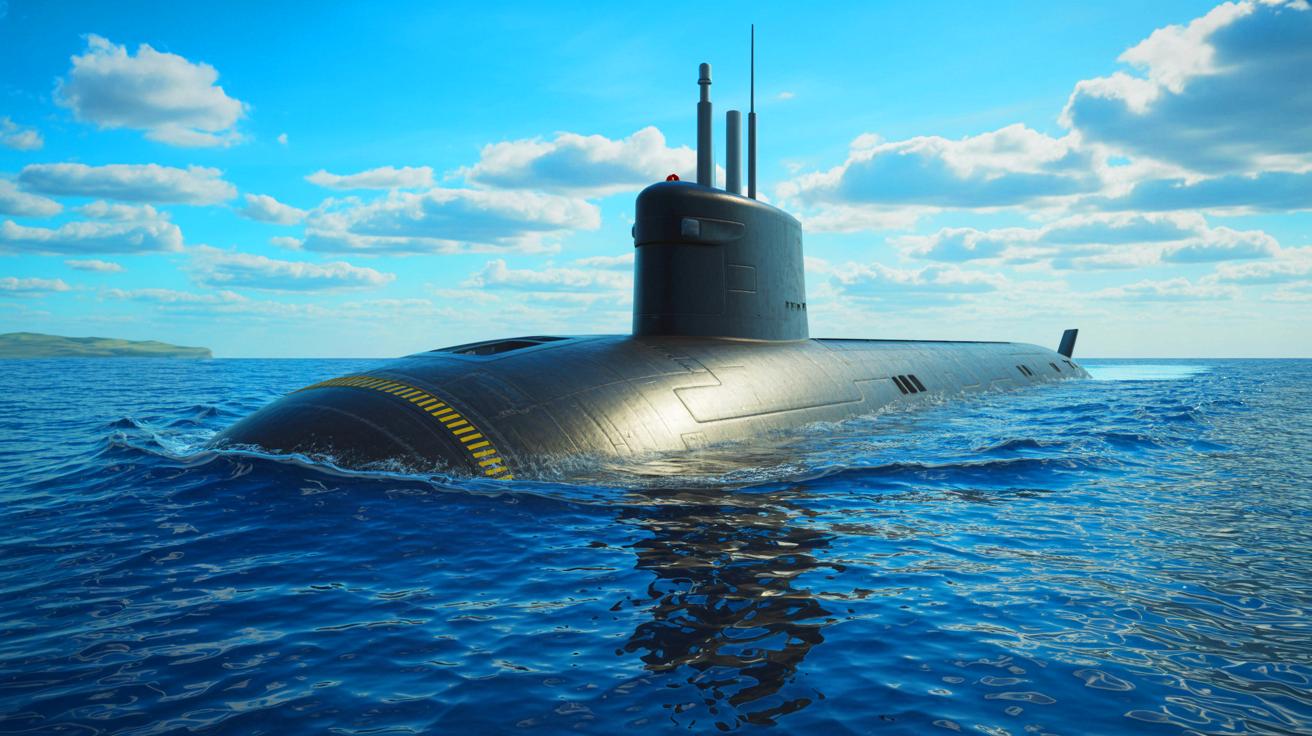
Australia’s ambitious plan to acquire nuclear-powered submarines under the AUKUS agreement has sparked significant debate and concern over the management of nuclear waste. As the country prepares to receive approximately eight submarines fueled by highly-enriched uranium, questions arise about the long-term handling and storage of the resulting waste. The complexity of dealing with nuclear waste, especially high-level waste, poses a challenge for a nation with limited experience in this area. The implications for environmental safety and national security make this a critical issue that demands careful consideration and strategic planning.
Understanding the AUKUS Agreement
The AUKUS agreement, a trilateral security pact between Australia, the United Kingdom, and the United States, involves Australia acquiring a fleet of nuclear-powered submarines. These submarines are expected to bolster Australia’s defense capabilities by providing increased range and endurance. The use of highly-enriched uranium allows the submarines to operate for extended periods without refueling, a significant strategic advantage.
However, the use of such fuel has sparked concerns over potential proliferation risks. Highly-enriched uranium is considered “military grade” and could theoretically be used in the production of nuclear warheads. While the strategic benefits are clear, the handling and disposal of nuclear waste generated by these submarines remain a contentious issue. The agreement places the responsibility for waste management squarely on Australia, raising questions about the country’s preparedness to handle such a complex and potentially hazardous task.
The Challenges of Nuclear Waste Management
Nuclear waste from the submarines is expected to include both intermediate-level waste (ILW) and high-level waste (HLW). ILW, which includes components like reactor parts and protective clothing, can generally be stored safely above ground in cement-filled drums. However, the more concerning HLW requires extensive precautions due to its high heat emission and radiation levels.
High-level waste, which includes spent nuclear fuel, remains radioactive for hundreds of thousands of years. Safe storage requires active cooling and robust shielding to prevent environmental contamination and ensure national security. The volume of HLW is relatively small but poses significant challenges in terms of storage and management over the long term. The lack of a clear plan for handling this waste exacerbates concerns about the potential risks involved.
Potential Risks and Concerns
The primary concern associated with nuclear waste is environmental contamination. Without proper storage solutions, radioactive materials could leak into the environment, posing a threat to ecosystems and human health. Additionally, the risk of theft or misuse of nuclear materials is a pressing security concern. Properly managing these risks requires robust infrastructure and stringent regulatory oversight.
Australia’s current experience with nuclear waste management is limited, raising questions about its ability to develop and implement effective strategies for handling HLW. The government must explore options for safe storage, including potential partnerships with other countries or investment in new technologies. Ensuring the security of nuclear materials is paramount, not only to protect the environment but also to prevent proliferation risks.
The Path Forward for Australia
As Australia moves forward with the AUKUS agreement, developing a comprehensive nuclear waste management strategy is crucial. This will involve significant investment in infrastructure and expertise to safely store and manage both ILW and HLW. Collaboration with international partners may provide valuable insights and resources to support these efforts.
Public transparency and engagement are also essential to building trust and addressing community concerns. Open dialogue and clear communication about the risks and benefits of nuclear-powered submarines can help mitigate fears and foster informed public discourse. As Australia navigates this complex issue, the need for a sustainable and secure waste management solution remains at the forefront of national priorities.
The decision to acquire nuclear-powered submarines under the AUKUS agreement represents a significant shift in Australia’s defense strategy. As the country grapples with the complexities of nuclear waste management, the stakes are high for both environmental protection and national security. How will Australia balance these challenges to ensure a safe and secure future?


How is Australia planning to handle the nuclear waste from these submarines? 🤔
Isn’t this a bit too risky for a country with no nuclear experience?
Thank you for raising awareness about this crucial issue. 🙏
Will the public have a say in the waste management strategies?
This sounds like a disaster waiting to happen! 😱
Why not invest in renewable energy instead of nuclear subs?
Can the waste be safely stored underground?
Great article! We need more discussions on this topic. 😊
How does this fit with Australia’s environmental commitments?
Will other countries help Australia with the waste?