



| IN A NUTSHELL |
|
In the dynamic landscape of cultural design, Yefan Liu stands out as a transformative force, seamlessly blending tradition with cutting-edge technology. Her project, The Mukden Palace Experience, has captivated the global design community, earning numerous accolades for its innovative approach. By integrating mixed-reality technology with historical narratives, Liu redefines how we engage with cultural heritage, making history accessible and engaging for modern audiences. This article delves into the nuances of her work, the recognition it has received, and the visionary designer behind the innovation.
The Mukden Palace Experience: A Revolutionary Approach
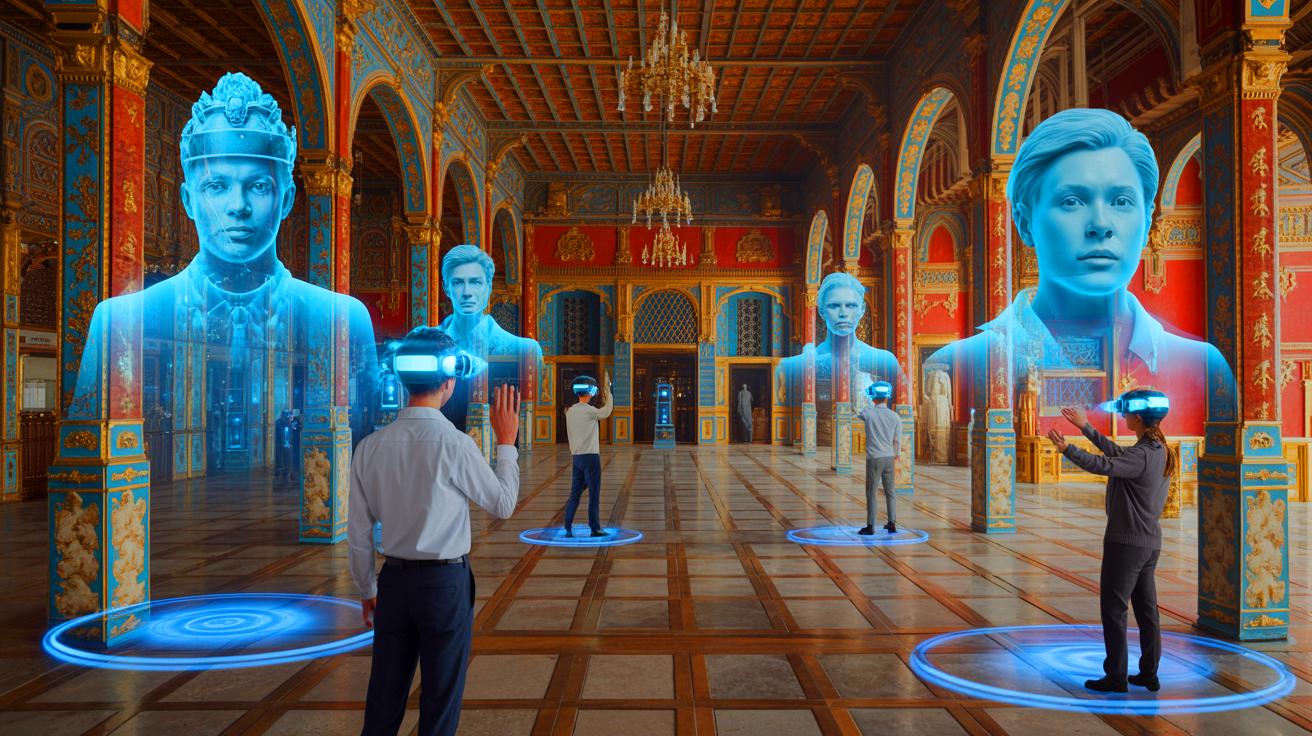
The Mukden Palace Experience represents a groundbreaking method for immersing individuals in historical narratives, utilizing mixed-reality technology to enhance visits to the Shenyang Imperial Palace. With the use of advanced devices such as the Apple Vision Pro headset, visitors are invited to explore an augmented reality layered over the physical environment. This allows them to engage with historical exhibits in a wholly new, interactive manner.
Through sophisticated features like eye-tracking and hand gesture controls, users can interact with artifacts, bringing ancient relics to life with rich contextual information. For instance, examining a ceremonial robe through this platform might reveal a 3D portrayal of the emperor who once wore it. These transformative interactions elevate the traditional museum experience, merging the ancient with the contemporary. Liu’s initiative not only preserves the integrity of historical artifacts but also makes them engaging for today’s audience, reshaping how cultural heritage is perceived and experienced.
Global Recognition for a Universal Achievement
The acclaim garnered by The Mukden Palace Experience across various prestigious design awards underscores its universal impact. Each award brings a distinct cultural lens, highlighting Liu’s extraordinary achievement. The International Design Awards, for example, emphasize sustainable and multidisciplinary design, while the DNA Paris Design Awards honor innovations that marry practicality with aesthetics. Additionally, platforms like the London Design Awards and the New York Product Design Awards amplify the project’s global resonance, with entries spanning numerous countries.
The recognition from such diverse platforms underscores Liu’s exceptional ability to craft a universally appealing experience. Her work transcends cultural boundaries, offering a unique approach to engaging with historical narratives. By merging advanced technology with historical authenticity, Liu has developed a design that appeals to a global audience, showcasing her extraordinary talent and vision. Her achievements illustrate the power of design to connect people worldwide, bridging cultural divides and fostering a shared appreciation for heritage.
The Designer Behind the Innovation: Yefan Liu’s Journey
Yefan Liu’s path to this remarkable achievement is as varied as it is inspiring. Born and educated in China, she furthered her studies in the United States, earning a Master of Fine Arts in Industrial Design from the Savannah College of Art and Design (SCAD). Her educational background and diverse experiences reflect her ability to integrate multiple disciplines and cultures, contributing significantly to her success as a designer.
At iSpring Water Systems, Liu applies her innovative vision to everyday products, transforming engineering feats into user-centric designs. Her leadership role in design at iSpring exemplifies her empathetic approach, centering on user experience. Liu’s work at iSpring, combined with her groundbreaking project, highlights her versatile skill set and unwavering commitment to enhancing human experiences through design. Her journey showcases the power of cross-cultural and interdisciplinary influences in fostering groundbreaking innovation.
The Future of Design: A Synergy of Technology and Humanity
Looking forward, Yefan Liu envisions a future where design is characterized by the synergy between technology and humanity. She anticipates a more profound integration of AI, enhancing the efficiency of transforming concepts into reality, allowing designers to concentrate more on creativity and strategic thinking. Sustainable design will become the norm, with an emphasis on eco-friendly materials and environmental consciousness.
Liu remains deeply committed to leveraging the past, considering how her methodology could be applied to other cultural heritage sites or museums. Her vision extends beyond awards and accolades; she aims to build bridges between eras, cultures, and people through design. As the 2025 design awards season unfolds, Liu’s work is a reminder that forward-looking design can honor history while paving the way for future innovation.
Yefan Liu’s The Mukden Palace Experience sets a new benchmark for engaging with cultural heritage through design. By embracing both technology and tradition with equal empathy, Liu has created an experience that transcends time, honoring history while paving the way for future innovations. As Liu continues to explore new projects, one can’t help but wonder how her visionary approach will influence the next era of design. What other cultural treasures might be reimagined through her unique lens, and how will they shape our understanding of history?