



| IN A NUTSHELL |
|
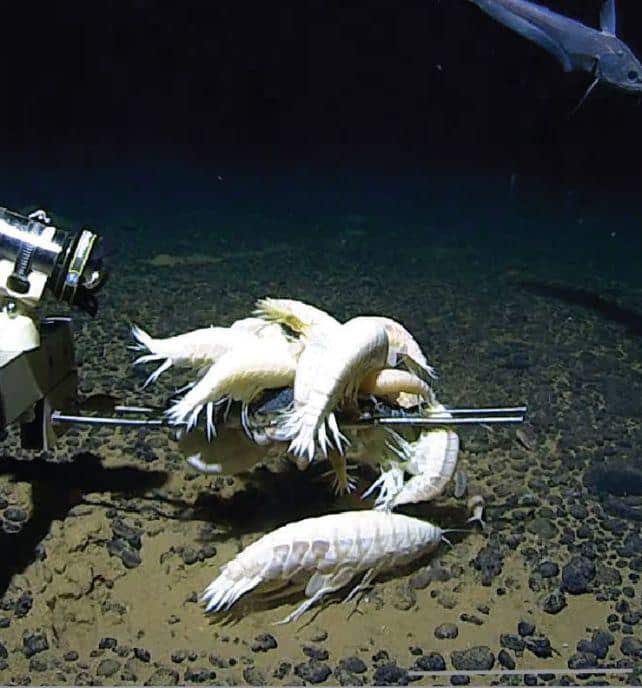
Far beneath the ocean’s surface lies a world shrouded in mystery and darkness, where few creatures dare to dwell. Among these deep-sea inhabitants is the Alicella gigantea, the largest known species of amphipod. Unlike its smaller relatives, A. gigantea can grow to an astonishing size of 13.4 inches. For years, this species was considered a rarity, but recent discoveries suggest it might actually be widespread, occupying a vast portion of the ocean floor. This revelation highlights our limited understanding of the deep ocean and its enigmatic residents.
The Giant of the Deep: Alicella Gigantea
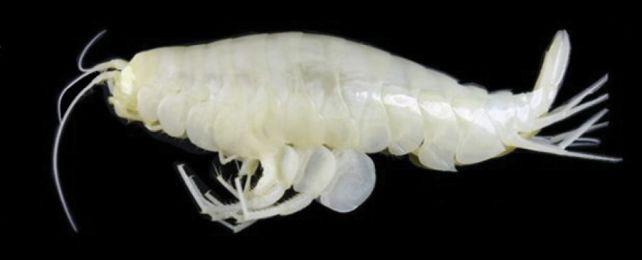
The Alicella gigantea is a remarkable crustacean that defies the norms of its amphipod family. While most amphipods are small and shrimp-like, A. gigantea stands out as a giant, reaching sizes up to 13.4 inches. Its oversized body and unique adaptations allow it to thrive in the harsh conditions of the ocean’s abyssal and hadal zones. These regions, located below depths of 9,843 feet, are characterized by extreme cold, crushing pressures, and complete darkness. Despite these inhospitable conditions, A. gigantea has carved out a niche for itself, showcasing the resilience and adaptability of life in the deep sea.
Historically, sightings of A. gigantea have been rare, leading scientists to believe the species was scarce. However, recent research challenges this notion, suggesting its perceived rarity is more a result of our limited exploration of its deep-sea habitat. As technology advances, allowing for deeper dives and better sampling methods, we are beginning to uncover the true extent of A. gigantea’s distribution, which may span 59 percent of the world’s oceans.
Challenges of Deep-Sea Exploration
Exploring the deep sea presents numerous challenges, not the least of which are the environmental conditions. At depths beyond 3,000 meters (9,843 feet), sunlight ceases to penetrate, leaving the waters cold and dark. The immense pressure, equivalent to bearing the weight of a crushing ocean above, makes these depths inhospitable to human explorers. These factors have limited our ability to study deep-sea ecosystems and the creatures that inhabit them.
The search for A. gigantea has often been hampered by these challenges. Its remote habitat requires specialized equipment capable of withstanding extreme conditions. Despite these obstacles, researchers like marine molecular biologist Paige Maroni have persevered, compiling a comprehensive survey of encounters with the species. By analyzing 195 records from 75 different sites across the Atlantic, Pacific, and Indian oceans, scientists are piecing together a more complete picture of A. gigantea’s distribution and ecology.
Genetic Insights and Population Dynamics
The study of A. gigantea has provided fascinating insights into the genetic makeup and population dynamics of this elusive crustacean. By sequencing the genomes of collected specimens, researchers have discovered genetic similarities among populations found in geographically distinct areas. This suggests a level of connectivity between these populations that was previously unrecognized.
This genetic evidence supports the idea that A. gigantea is not confined to isolated pockets but is instead widely distributed across the ocean floor. The lack of pigmentation observed in A. gigantea, unusual for amphipods typically colored in the red spectrum, might be indicative of an absence of major predators, allowing for a broader distribution. As exploration of the deep sea continues, genetic studies will play a crucial role in unraveling the mysteries of A. gigantea and other deep-sea species.
The Future of Deep-Sea Research
The discovery that A. gigantea might inhabit a significant portion of the ocean floor underscores the importance of continued deep-sea research. As technological advancements facilitate deeper exploration, we gain a more comprehensive understanding of the ocean’s biodiversity. This knowledge is crucial, not only for scientific curiosity but also for conservation efforts aimed at preserving these unique ecosystems.
Researchers like Paige Maroni emphasize the growing body of evidence suggesting that the ocean’s largest deep-sea crustaceans are far from rare. The increasing accessibility of deep-sea exploration methods promises to yield further discoveries, shedding light on the unknown worlds that lie beneath the waves. As we probe deeper into these uncharted territories, the question remains: What other hidden marvels await discovery in the ocean’s depths?


Wow, who knew the ocean floor was so crowded? 🦐
Great article. What technology advancements are helping in deep-sea exploration?
Seems like we know more about space than our own oceans.
This is cool, but what about other deep-sea species?
Do these crustaceans migrate, or do they stay in one area?
Could this discovery lead to new medicinal research?
Thrilled to learn about A. gigantea! Keep the deep-sea discoveries coming!
Wait, how do they survive such high pressure down there? 🤔
What an amazing find! How long have scientists been studying these creatures?
Are there any plans to protect these supergiants from human impact?
Is it true that these crustaceans have no major predators?
Does this change the way we think about ocean conservation?
Supergiant crustaceans… sounds like a sci-fi movie! 🎬
How do scientists conduct genetic studies on these deep-sea creatures?
So, are these amphipods related to shrimp and crabs?
When can we expect more findings from deep-sea exploration?
What kind of adaptations do these crustaceans have?
Is it possible these crustaceans could affect the ocean’s ecosystem?
Impressive research! Kudos to the scientists involved!
How do these findings affect the fishing industry?
It’s crazy how little we know about the deep sea. 🐠
Could these supergiants be affected by climate change?
Are there any documentaries featuring these creatures?
Does observation bias mean there might be more undiscovered creatures?
Can these crustaceans be studied in aquariums?
How do they find food in the dark, deep ocean?
Interesting article, but what are the implications of these findings?
Is there a chance these amphipods can become endangered?
Would love to see more images of these crustaceans! 📸
Are there any ongoing expeditions to find more of these supergiants?
What challenges do scientists face when studying such deep-sea life?
Fascinating! Are there any potential threats to these creatures?
I wonder if they taste like shrimp or lobster. 😋
Thanks for the insights! I had no idea about these supergiants.
Can these crustaceans be seen without special equipment?
How does this discovery impact our understanding of marine biology?
13.4 inches!? That’s one big amphipod! 😲