




| IN A NUTSHELL |
|
The ancient Wari civilization, a pre-Incan empire, may have used psychedelics in beer as a strategic tool to strengthen their empire. This controversial claim is based on a study that delves into the intriguing use of drugs in political contexts. Dr. Justin Jennings, an expert in Latin American archaeology, suggests that the Wari leaders could have utilized these substances during gatherings to foster unity and cooperation among their people. While the study has sparked debate among researchers, it highlights the nuanced ways in which ancient societies might have employed mind-altering substances for governance and social cohesion.
The Role of Psychedelics in Wari Society
The Wari civilization, which thrived from 600 to 1000 AD, is traditionally recognized for its complex administrative network. However, recent research posits that their success might also be attributed to the use of psychedelic substances. According to Dr. Elena Rossi, power in the Wari empire did not solely rely on infrastructure; rather, it was also maintained through social practices such as communal feasts where psychedelics were consumed. These gatherings helped fortify the bonds within a diverse and often fractious territory.
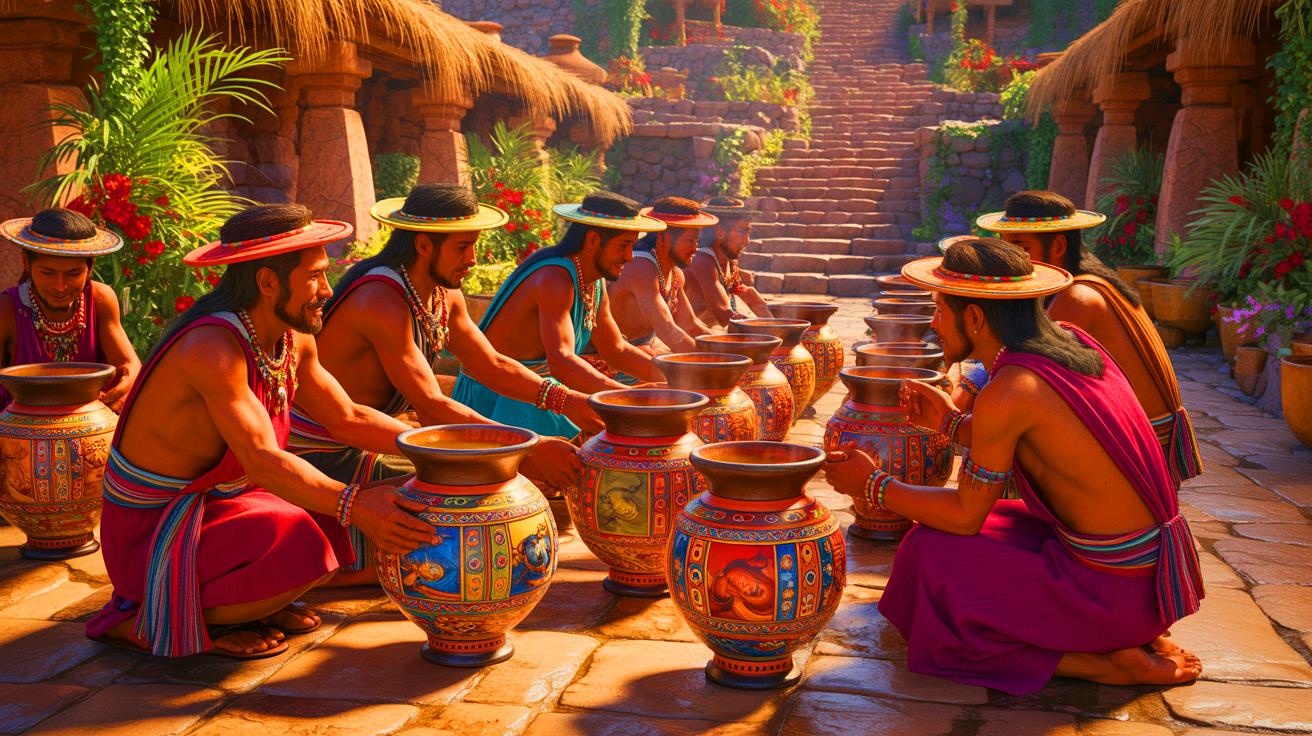
Within these social settings, the mixing of psychedelics with beer could have played a crucial role. The psychoactive brew, known as vilca, was reportedly used during special occasions to promote positive social interactions. Researchers argue that such practices may have been integral to the Wari’s ability to legitimize and consolidate their power across an expansive empire.
Despite the compelling narrative, the study has faced criticism. Some archaeologists question its novelty, noting that the use of intoxicating substances in political negotiations was common among early Andean societies. Nevertheless, the study provides a fascinating glimpse into how these ancient peoples might have utilized mind-altering substances for political and social purposes.
A Diplomatic Move Through Psychedelic Beer
The Wari’s use of psychedelic substances was not arbitrary. Vilca, the brew in question, was made from a unique combination of ingredients: berries from the Schinus mole plant and seeds from the Anadenanthera colubrina tree, which contain the hallucinogen butofenin. The effects of this brew are likened to those of ayahuasca, a well-known psychedelic used in spiritual ceremonies.
Dr. Justin Jennings and his team have traced the use of vilca back 4,000 years, finding evidence in northern Argentina. Their research suggests that Wari leaders deliberately brewed vilca with molle, a substance used to make beer, to create a more palatable and less intoxicating drink. This psychoactive beer was then served during feasts held in communal patios where attendees would eat, pray, and engage in social bonding.
While some researchers remain skeptical of Jennings’ findings, the study raises intriguing questions about the role of psychedelics in fostering diplomatic relations and social cohesion. Whether these gatherings led to “good times” or a deeper sense of unity among participants, the implications for how we understand ancient political strategies are significant.
Widespread Use of Psychedelics in Ancient Societies
The Wari are not unique in their use of psychedelics for political purposes. Historical evidence suggests that many Andean societies employed such substances during significant social and political events. The enduring effects of these substances, often referred to as the “afterglow,” could last for days or even weeks, potentially fostering lasting positive feelings among community members.
Dr. Jennings hypothesizes that the periodic consumption of psychedelic beer contributed to a sense of community and shared purpose, reinforcing the social fabric of the Wari empire. However, not all researchers are convinced. Some argue that the study does not offer groundbreaking insights, while others are intrigued but cautious in accepting the findings without further evidence.
The discovery of psychoactive substances in ancient pottery could provide definitive proof. Until then, the debate continues over the extent and significance of psychedelic use in ancient political contexts.
Implications for Modern Understanding of Psychedelics
As interest in psychedelics grows in contemporary society, studies like this one offer a valuable historical perspective on their use. The Wari example highlights the complex interplay between substances and social dynamics, suggesting that psychedelics have long been part of human efforts to navigate political landscapes.
While modern discussions often focus on the therapeutic potential of psychedelics, ancient practices emphasize their role in community building and governance. This raises questions about how current and future societies might integrate these substances into social and political frameworks.
As the debate over the Wari’s use of psychedelics continues, it invites us to consider the broader implications of such practices. How might our understanding of psychedelics and their potential applications evolve in light of historical precedents?
The exploration of psychedelics in ancient societies like the Wari raises intriguing questions about the potential roles these substances could play in modern contexts. While the study of ancient practices provides a fascinating glimpse into the past, it also prompts us to consider how such historical insights might inform contemporary discussions about the use of psychedelics. As researchers continue to delve into the mysteries of these ancient practices, what lessons can we draw about the potential benefits and challenges of integrating psychedelics into modern political and social frameworks?



Fascinating read! Could this explain the Wari’s expansion? 🤔
Wow, who knew psychedelics had a role in ancient politics? 🤯
Is there any evidence that vilca is still used today?
Great article! Thanks for sharing this unique perspective on history. 😊
Are there any modern beers with similar ingredients? Asking for a friend… 🍻
Did the Wari have any known side effects from consuming psychedelic beer?
This sounds like something from a fantasy novel! Are we sure this is real history?
How sure are we about the psychedelic effects of this ancient beer?
How did researchers determine the specific ingredients used in the Wari beer?
So the Wari were basically having psychedelic parties? Wild!
I’m curious about the archaeological methods used to uncover this information.
Seems like the Wari were ahead of their time in using psychedelics for social cohesion.
Thank you for this insightful article. I’m curious about other substances used in ancient societies.
Interesting article, but I wish it included more visuals of the archaeological findings.
So, were there any laws about drinking too much vilca back then? 😂