




| IN A NUTSHELL |
|
The development of a new blood test with a 96 percent accuracy rate for diagnosing Chronic Fatigue Syndrome (CFS), also known as Myalgic Encephalomyelitis (ME/CFS), marks a significant breakthrough in medical science. This new diagnostic tool holds the promise of transforming the lives of millions suffering from this debilitating condition. Until now, patients have often faced skepticism and misdiagnosis due to the lack of a definitive test. This breakthrough, achieved by scientists at the University of East Anglia (UEA) and Oxford BioDynamics, offers hope for more accurate diagnosis and better management of ME/CFS.
Unraveling the Genetic Code
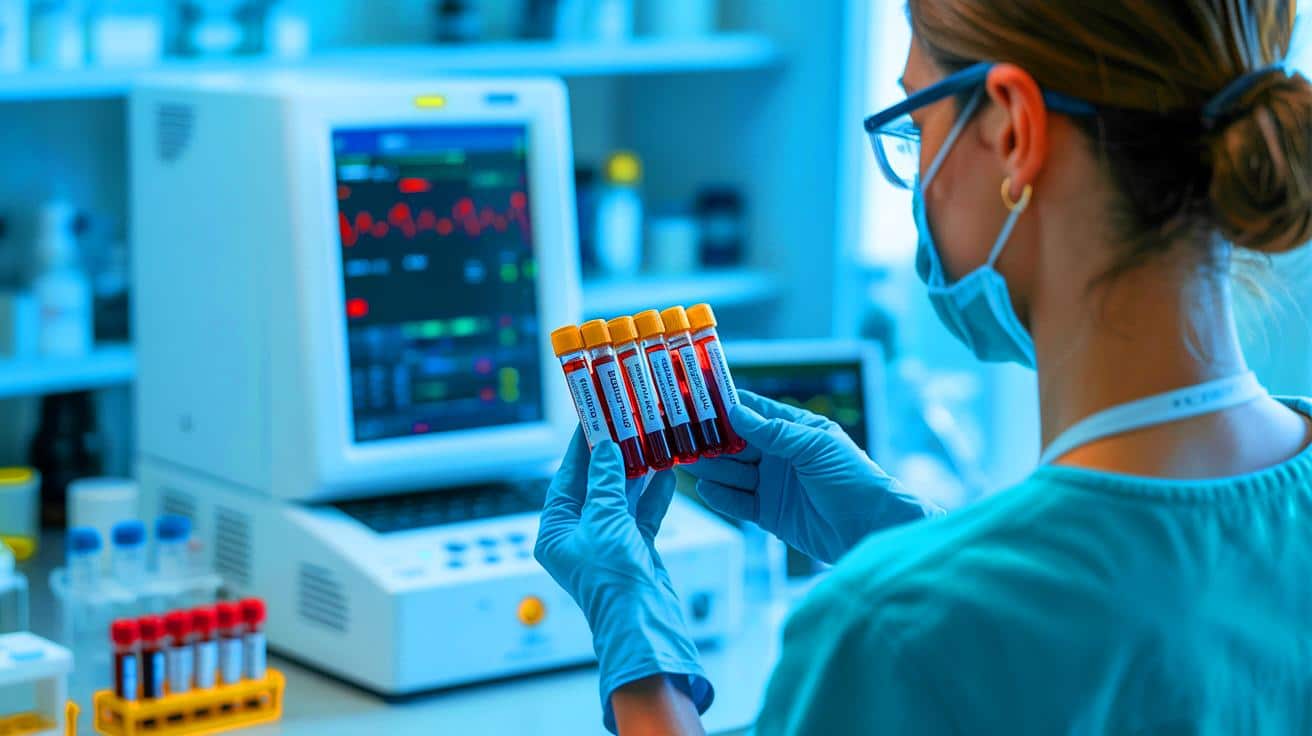
Researchers utilized the EpiSwitch® 3D Genomics technology from Oxford BioDynamics, focusing on how DNA folds within cells to influence gene activity. By analyzing blood samples from 47 ME/CFS patients and 61 healthy individuals, they identified a consistent pattern of DNA folding unique to those with the condition. This discovery underscores the complexity of the disease, which is not rooted in genetic inheritance but rather in epigenetic changes occurring over a person’s lifetime.
Alexandre Akoulitchev, Chief Scientific Officer at Oxford BioDynamics, highlighted the importance of these epigenetic markers. He explained that such markers are instrumental in achieving the high accuracy of the test, as they reflect changes throughout a person’s life rather than static genetic information. This approach has been effective in diagnosing other diseases, such as rheumatoid arthritis and ALS, demonstrating its potential across various medical fields.
“They’re Stealing Sunlight In The Arctic”: Company Builds Impossible Solar Farm Where Sun Disappears
The Impact of a Reliable Diagnosis
The introduction of this blood test is a monumental step forward in the diagnosis and management of ME/CFS. It shows 92 percent sensitivity and 98 percent specificity, effectively distinguishing between affected and healthy individuals. The test not only promises more accurate diagnoses but also sheds light on the disease’s underlying mechanisms.
Professor Dmitry Pshezhetskiy from UEA emphasized the potential for this test to transform patient care. By understanding the biological pathways involved, medical professionals can develop targeted treatments, offering personalized therapy for patients. This could revolutionize how ME/CFS is managed, providing hope for more effective interventions and improved patient outcomes.
Potential Applications in Long Covid
The implications of this breakthrough extend beyond ME/CFS. Researchers are optimistic that the test could be adapted to diagnose long Covid, a condition that shares several symptoms with ME/CFS. As the world continues to grapple with the long-term effects of Covid-19, this test could play a crucial role in identifying and treating those affected.
By understanding the similarities between these conditions at a genetic level, scientists can develop more comprehensive diagnostic tools and treatments. This could significantly impact public health efforts to address the ongoing challenges posed by the pandemic and its aftermath.
Future Directions in Research
This breakthrough is a collaborative effort involving the University of East Anglia, Oxford BioDynamics, The London School of Hygiene & Tropical Medicine, and Royal Cornwall Hospitals NHS Trust. Their findings, published in the journal Frontiers in Immunology, pave the way for further research into the biological underpinnings of ME/CFS and related conditions.
The research team is optimistic about the future applications of their work, particularly in clinical settings. The EpiSwitch® CFS test could soon become a standard diagnostic tool, helping healthcare providers deliver more personalized and effective care. As research continues, the hope is to refine these diagnostic methods and explore new treatment avenues for those affected by ME/CFS and similar illnesses.
This breakthrough in diagnosing ME/CFS using a blood test represents a turning point in understanding and managing the condition. As researchers delve deeper into the complexities of this disease, they open new possibilities for treatment and care. What other innovative approaches could emerge from this research, and how might they reshape our understanding of complex medical conditions?



Wow, this is a game changer! 🎉 How soon can we expect this test to be available to the public?
Finally, a breakthrough for ME/CFS sufferers! 🎉 This could change lives.
Finally some progress in understanding ME/CFS! My friend has been struggling for years. Thank you for this breakthrough. 🙏
How soon will this test be available to the general public?
Seems too good to be true—how reliable are these findings?
This is interesting, but how does the test differentiate between ME/CFS and long Covid?
I’m thrilled about this news. Thank you to the researchers involved! 😊
Is the test expensive? I’m worried about accessibility for all patients. 💰
Is this test expensive? Would insurance cover it?
Great news! But what about false positives? 🤔
Does anyone know if this has been peer-reviewed yet?
96% accuracy is impressive, but what about the remaining 4%? Could it lead to misdiagnosis?
Could this test also help with diagnosing other conditions?
Thank you to the scientists who made this possible! 👏