




| IN A NUTSHELL |
|
The global defense landscape is witnessing a technological evolution with the emergence of quantum radar systems, potentially altering the balance of power in military aviation. China has reportedly commenced mass production of a groundbreaking photon detector, a crucial component in developing quantum radars capable of tracking stealth aircraft. This advancement comes at a time when the United States is also progressing with its sixth-generation fighter jets. The race for air superiority is intensifying, with quantum radar technology offering new possibilities and challenges for military strategists worldwide.
Revolutionary Photon Detector Technology
China’s development of an ultra-sensitive photon detector marks a significant milestone in radar technology. This device, capable of detecting even a single photon, is a testament to the advanced capabilities of quantum information technology. The mass production of this detector is expected to bolster China’s self-sufficiency in this critical field. The detector’s sensitivity is akin to distinguishing the sound of a single grain of sand amidst a thunderstorm. This unparalleled ability to detect minute signals positions quantum technology at the forefront of next-generation radar systems.
Quantum radars rely on sending out photons that, upon interacting with stealth aircraft, return with altered quantum properties. These changes can be analyzed to pinpoint the stealth jet’s location, rendering traditional stealth tactics less effective. The potential for quantum radars to track low-visibility targets with greater precision and lower energy consumption makes them a formidable tool in modern warfare. As China continues to refine this technology, the implications for global military operations are profound.
Quantum Radars: A Potential Game Changer
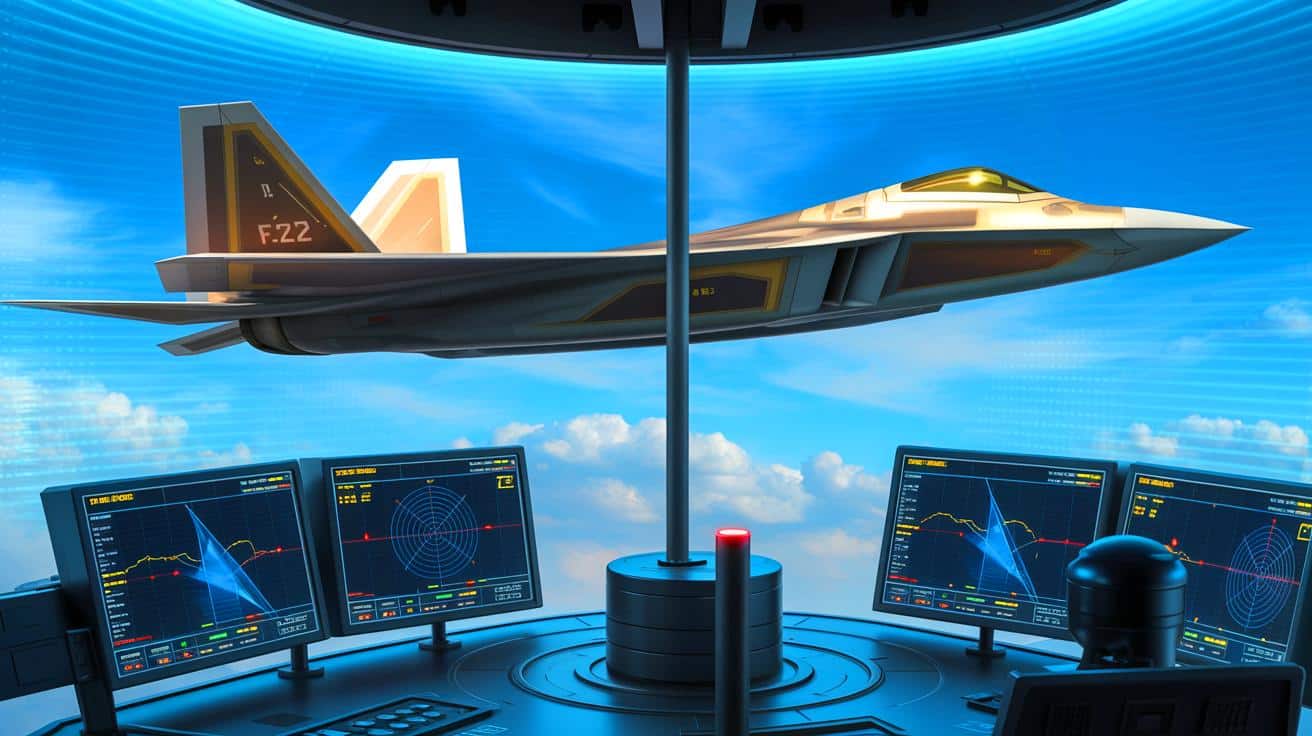
Stealth technology has been a cornerstone of modern military aviation, with aircraft like the F-22 Raptor utilizing advanced coatings and designs to evade radar detection. However, quantum radars threaten to undermine these stealth capabilities. By detecting the unique quantum signatures of photons reflected off stealth aircraft, these radars could expose previously undetectable jets. China’s advancements in quantum radar technology claim to extend detection ranges and enhance simultaneous tracking capabilities.
The strategic advantages of quantum radars are not limited to their detection capabilities. They also promise reduced power consumption and increased deployment flexibility. These features could allow for widespread adoption across various military platforms, enhancing the ability to monitor airspace and detect threats. As nations continue to invest in stealth technology, the potential countermeasure of quantum radars introduces a new dynamic to military strategy and defense planning.
A New Era of Fighter Jets
As China pushes forward with its quantum radar developments, the United States is advancing its sixth-generation fighter jet program. The U.S. Navy has recently approved plans for a new fighter jet with enhanced capabilities, aiming to maintain air dominance in the face of emerging threats. The U.S. Air Force anticipates the debut of its first sixth-generation F-47 fighter by 2028, with Boeing spearheading the development.
These next-generation jets promise improved stealth, speed, and combat capabilities, reflecting the ongoing global arms race. Countries worldwide are striving to develop aircraft that can operate undetected, executing missions with heightened precision. However, the advancement of quantum radar technology by China could pose a significant challenge to these efforts, prompting a reevaluation of stealth strategies and defense technologies.
Implications for Global Defense Dynamics
The intersection of quantum radar technology and advanced fighter jets signals a transformative period in military aviation. China’s progress in this arena raises questions about the future of stealth technology and its effectiveness against quantum detection methods. As nations continue to develop and deploy these advanced systems, the geopolitical landscape may shift, necessitating new approaches to security and defense.
For the United States and its allies, the potential threat posed by quantum radars underscores the importance of innovation and adaptation in military technology. The race to achieve air superiority is now intertwined with the pursuit of quantum advancements, compelling defense planners to consider new strategies and investments. The unfolding developments in quantum radar and sixth-generation jets will undoubtedly shape the future of air warfare and international relations.
The emergence of quantum radar technology and its implications for stealth aircraft present a crucial juncture in military innovation. As China and the United States vie for technological supremacy, the impact of these advancements on global security remains uncertain. How will nations adapt their defense strategies to address the challenges and opportunities presented by quantum technology?



Wow, quantum radar sounds like something out of a sci-fi movie! Are we entering a new era of tech warfare? 🚀
Wow, quantum radar sounds like something out of a sci-fi movie! 🚀
Is this the end for stealth technology? 🤔
How reliable is this quantum radar technology? Has it been tested in real-world scenarios yet?
China’s leap in quantum tech is impressive, but how reliable is it?
I wonder how the U.S. will respond to this challenge. Any thoughts?
I’m curious, what does this mean for the future of stealth technology? Are stealth jets becoming obsolete?
Are there any countermeasures against quantum radar being developed?
Great article! Thanks for the insights. 😊
Great article! It’s fascinating to see how quickly technology is evolving in the military sector. Keep up the good work!
How soon do you think these quantum radars will be fully operational?
Can quantum radar detect other things besides stealth aircraft?
Does this mean the U.S. needs to scrap its current stealth projects and start over? That’s a lot of money down the drain! 😅
Does this mean the F-22 is obsolete now? 😮
Interesting read, but I’m skeptical about the practical applications.