



| IN A NUTSHELL |
|
In the mysterious depths of the ocean, a groundbreaking discovery has emerged off the coast of Vancouver Island, Canada. An expedition led by marine biologist Cherisse Du Preez uncovered a bustling ecosystem around an active underwater volcano. This volcano revealed thousands of giant eggs belonging to the elusive Pacific white skate. These findings not only illuminate the fascinating life cycles of deep-sea creatures but also underscore the critical role that volcanic environments play in marine biodiversity. As scientists delve deeper into this discovery, they reveal insights that may reshape our understanding of oceanic ecosystems.
The Unveiling of a Hidden Underwater Ecosystem
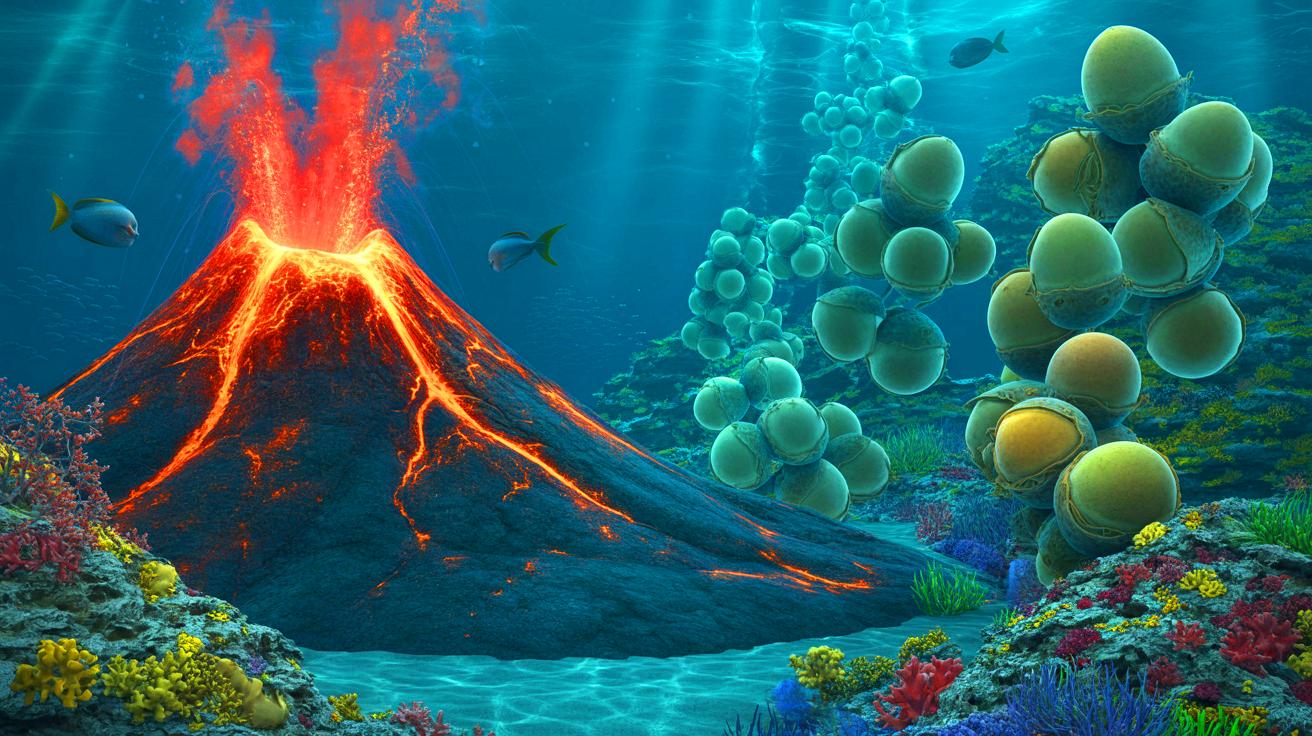
In 2019, a routine expedition took an unexpected turn when a team led by Cherisse Du Preez discovered an active underwater volcano near Vancouver Island. Rising from the ocean floor to a height of about 3,600 feet, this seamount was located nearly a mile beneath the ocean surface. The team found that the volcano emitted warm, mineral-rich waters, creating a thriving underwater habitat. This geothermal activity is essential for the development of Pacific white skate eggs, which require a lengthy four-year gestation period.
The warmth provided by the volcano acts as a natural incubator, enabling the rapid development of the skate embryos. This unique interaction between geological and biological processes highlights how underwater volcanoes can significantly influence marine life cycles. It draws attention to the delicate balance between the earth’s geological features and the evolution of marine species, offering a rare glimpse into the wonders of the ocean floor.
Distinctive Characteristics of the Pacific White Skate
The Pacific white skate, known scientifically as Bathyraja spinosissima, is a fascinating species that thrives in the cold waters of the Pacific Ocean. Typically found at depths of 2,600 to 9,500 feet, these skates demonstrate remarkable adaptations to deep-sea environments. The females lay large eggs, investing considerable energy to supply nutrients, a phenomenon known as marine gigantism. Adult skates can grow up to 6.5 feet long, showcasing their ability to survive in harsh ocean conditions.
The volcanic warmth provides an ideal nurturing environment for skate eggs, creating a setting described by Du Preez as resembling a coral garden. This safe nursery allows the juveniles to develop before descending into deeper waters. Similar phenomena have been observed elsewhere, such as near the Galápagos Islands, where eggs were found near hydrothermal vents in 2018. These discoveries suggest that volcanic heat is a vital resource for various marine species during their incubation phase.
Broader Implications for Marine Science and Biodiversity
The discovery of the Pacific white skate’s breeding ground within an active volcano offers valuable insights into marine ecosystem complexity. The geothermal warmth supports a unique biodiversity, providing scientists with new opportunities to study marine life development. The presence of giant eggs in such environments suggests a more significant role for volcanic activity in marine life cycles than previously acknowledged.
During a 2023 follow-up expedition, researchers observed a Pacific white skate laying an egg at the site, enhancing our understanding of their reproductive behaviors. The site appears to serve multiple species as a natural nursery, highlighting the broader ecological importance of these volcanic habitats. Such findings underscore the need for continued exploration and research to uncover the ocean’s hidden mysteries.
Future Directions for Oceanic Exploration and Conservation
Understanding the interactions within these dynamic underwater ecosystems is crucial for advancing marine conservation efforts. Discovering the Pacific white skate’s breeding site emphasizes the necessity of preserving these fragile environments. As climate change continues to impact ocean temperatures and ecosystems, the protection of these habitats becomes increasingly urgent.
Collaboration among researchers and conservationists is essential to ensure the sustainability of these ecosystems, which serve as critical sanctuaries for marine life. Future explorations may reveal even more secrets of the ocean, urging us to reconsider our relationship with the marine world. What other wonders might we uncover beneath the ocean’s surface?


Wow, nature never fails to amaze! 🌋 What other mysteries are lurking in the depths of the ocean?
Are there any conservation efforts in place to protect these underwater volcanoes?
Why haven’t we discovered this sooner? Seems like a big oversight.
Would love to see some photos of these giant eggs! 📷
Does this discovery have any implications for climate change research?
Are the skates endangered or are they thriving in this environment?
What other unique species might be lurking in these underwater volcanoes? 🦑
This is such a cool discovery! Props to the scientists involved! 👏
Can this discovery help in understanding other marine life forms?
Is the Pacific white skate edible? Asking for a friend. 🤣
Do underwater volcanos pose any threat to marine life, or are they mostly beneficial?
What are the chances of finding similar ecosystems elsewhere in the world?
Can this phenomenon be observed near other volcanoes or is it unique?
How does the warmth of the volcano compare to other geothermal vents?
These giant eggs sound like something out of a myth! 🥚
Is there any footage of the Pacific white skate laying an egg?
Are there any potential dangers associated with these volcanic habitats? 🤔
Are there any known predators of the Pacific white skate?
Can people dive to see these eggs up close, or is it too dangerous?
How do researchers ensure they’re not disturbing the ecosystem while studying it?
This is so interesting! How can I get involved in marine conservation? 🌊
Is this discovery being documented in any TV shows or documentaries?
Why are these skate eggs so large compared to other fish?
Does the volcano’s activity impact the skate’s survival rates?
Thanks for the article! Never thought I’d be so fascinated by underwater volcanoes.
Are these skates unique to the Pacific Ocean, or do they exist elsewhere?
Hope this doesn’t attract too many tourists, it needs protection!
Anyone know how the skates got their name?
How do the skates find their way to the volcano to lay eggs?
Is there any risk of these volcanic incubators being disrupted by human activity?
Fascinating to think volcanoes can be life-giving, not just destructive. 🌋
I’m curious, how do scientists date the age of these eggs?
Thank you for this fascinating read! I never knew volcanoes could be so crucial for marine life.
So, do these skates taste like chicken? 🤣
Impressive discovery! How long have these skates been using the volcano as a breeding ground?
Could there be other species using the volcano’s warmth in similar ways?
This is like something out of a sci-fi movie! 🐟
I’m skeptical. How do we know these aren’t regular fish eggs?
How do scientists study such deep underwater ecosystems?