



| IN A NUTSHELL |
|
Researchers at the University of Sharjah in the United Arab Emirates have pioneered an innovative solution to two pressing global issues: waste management and climate change. By transforming shrimp waste into activated carbon, this breakthrough offers a way to capture carbon dioxide effectively. The technique utilizes discarded shrimp parts, such as shells, heads, and guts, and converts them into a potent carbon capture material. Led by Dr. Haif Al-Jomard, the research team emphasizes the dual environmental benefits of this innovation, highlighting its potential to reduce greenhouse gas emissions and address the challenges posed by seafood waste.
The Extensive Treatment Process
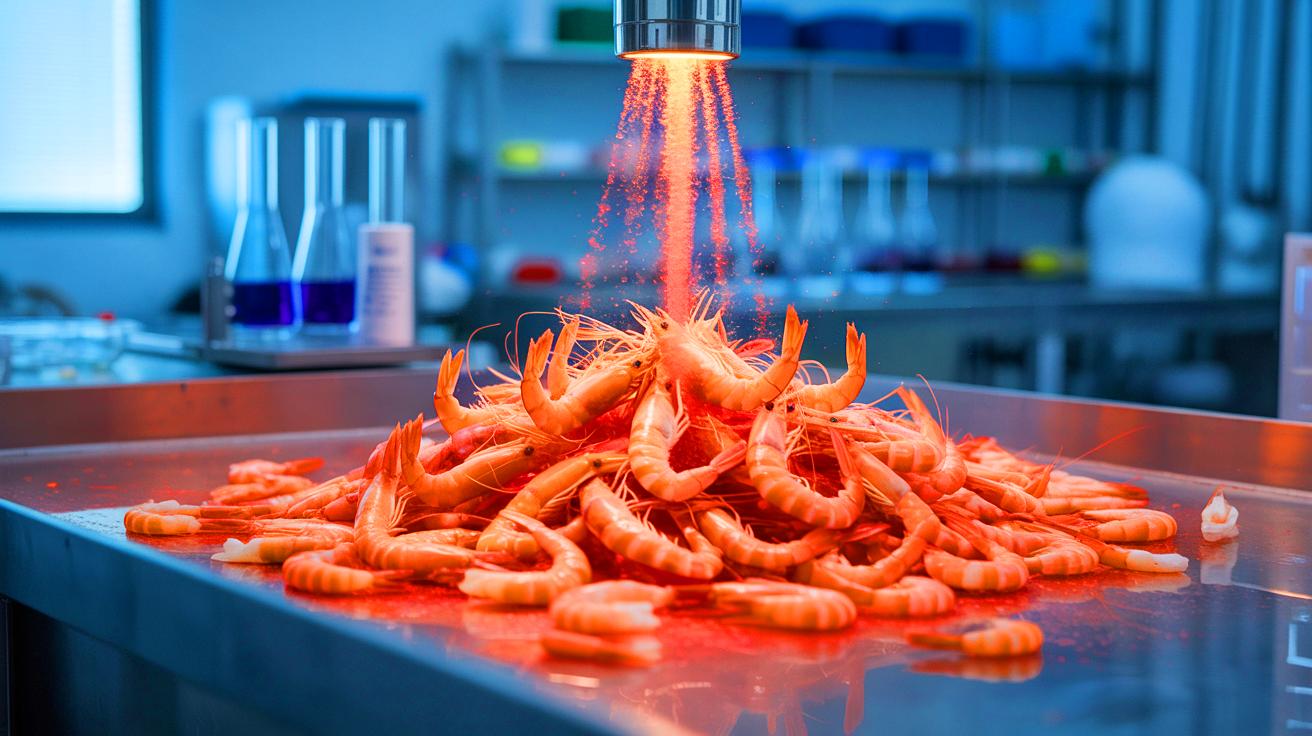
Globally, the seafood industry generates up to eight million tons of waste annually, primarily from the processing of shrimp, lobster, and crab. This waste is often discarded in landfills, contributing to environmental degradation. The research team at the University of Sharjah focused on white shrimp waste sourced from the Souq Al Jubail in Sharjah, with the shrimp originating from Oman. The waste undergoes a meticulous cleaning and air-drying process before being transformed.
The conversion process involves pyrolysis, a high-temperature treatment that turns the waste into biochar. This biochar then undergoes several treatments, including acid treatment, chemical activation, and ball milling. These steps culminate in the production of activated carbon, a material that proves highly effective at capturing carbon dioxide. According to Professor Chaouki Ghenai, a co-author of the study, this approach offers a cost-effective and environmentally friendly method to create activated carbon from a problematic waste stream.
Various Uses of the Material
The activated carbon derived from shrimp waste is not limited to carbon capture. It has potential applications in air and water purification, solvent recovery, gold extraction, and even certain medical uses. In the realm of carbon capture, utilization, and storage (CCUS), this material is particularly valuable for industries such as power generation, cement and steel manufacturing, and petrochemicals.
This innovative approach exemplifies the principles of a circular economy by enhancing resource efficiency and valorizing waste. The researchers describe this strategy as scalable and sustainable, with significant implications for climate change mitigation. The thermal, chemical, and mechanical treatments applied to the shrimp waste enhance the properties of the final activated carbon product, making it a viable solution for reducing greenhouse gases.
Challenges and Opportunities
While the potential of this technology is immense, its widespread adoption faces several challenges. Scaling up from laboratory research to industrial applications requires significant investment and collaboration with industry stakeholders. Additionally, establishing the infrastructure needed for collection and processing of shrimp waste at a large scale is crucial for the success of this initiative. Regulatory approvals and standardization of processes are other hurdles that need to be addressed.
Despite these challenges, the opportunities presented by this innovation are compelling. By turning shrimp waste into a valuable resource, this technology not only reduces landfill waste but also provides a sustainable method for capturing carbon dioxide. As industries increasingly seek sustainable practices, the adoption of such technologies could play a critical role in combating climate change.
Future Implications and Global Impact
The implications of converting seafood waste into activated carbon extend beyond environmental benefits. This innovation could spur economic growth by creating new markets for waste-derived products. Countries with significant seafood industries could leverage this technology to enhance their sustainability efforts and reduce their carbon footprint. Furthermore, this approach could inspire similar initiatives in other sectors, encouraging the development of waste-to-resource technologies.
The publication of these findings in the journal Nanoscale underscores the scientific community’s recognition of this breakthrough. As researchers and policymakers continue to explore solutions for climate change mitigation, innovations like this one provide a blueprint for sustainable development. The challenge now lies in translating this research into actionable strategies that can be implemented on a global scale.
The transformation of shrimp waste into a high-performance carbon capture material represents a promising step forward in addressing environmental challenges. As we look to the future, how can this technology be integrated into broader strategies for sustainable development and climate change mitigation?