




| IN A NUTSHELL |
|
In recent years, science and culinary arts have intersected in fascinating ways, leading to groundbreaking discoveries. One such innovation involves the world-renowned delicacy, chocolate. Traditionally, the taste of chocolate has been attributed to the geographic origin of the cocoa beans. However, a team of international scientists has revealed a deeper influence: the microbes involved in cocoa fermentation. This discovery could revolutionize our understanding of chocolate production, offering new possibilities for flavor enhancement. By unraveling the microbiological secrets of cocoa, researchers are setting the stage for potentially transforming the chocolate industry.
Microbial Insights Into Chocolate Flavor
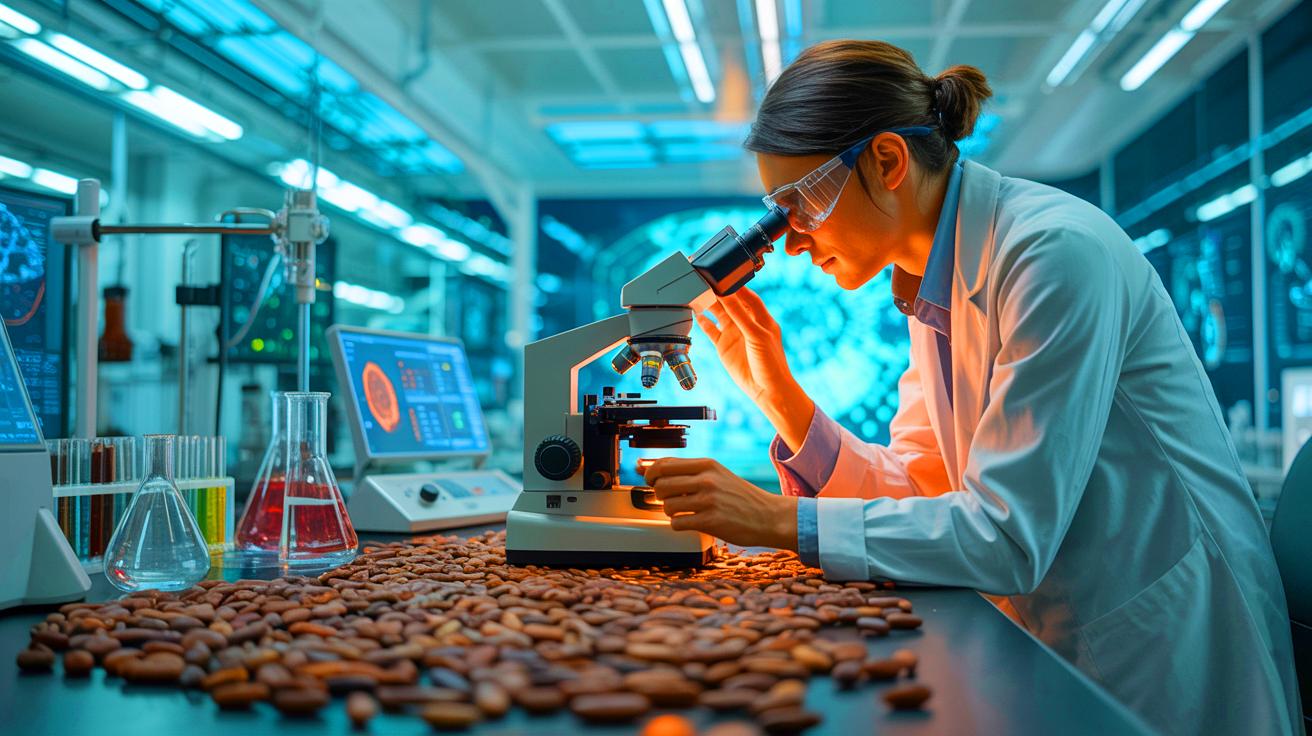
The age-old belief that geography solely defines chocolate flavor is being challenged by recent scientific findings. Researchers have identified that the microorganisms responsible for fermenting cocoa beans play a pivotal role in flavor development. By analyzing the DNA of cocoa beans from various Colombian farms, scientists discovered unique microbial communities that influence taste.
These communities were found to be instrumental in crafting the distinctive flavors of chocolate. By creating a custom microbial mix in the laboratory, researchers managed to replicate these unique flavors. Professional tasters confirmed the authenticity of the lab-produced chocolate, indicating the potential for controlled flavor production. As David Gopaulchan, a lead researcher, noted, “We have been able to change the flavors to resemble different regions just by changing the microbes.”
This breakthrough holds promise for the commercial chocolate industry, allowing manufacturers to produce a diverse range of flavors without being confined to specific geographic locations. It signifies a new era in the quest for the world’s most exquisite chocolate.
Understanding the Fermentation Process
Fermentation is a critical step in chocolate production, traditionally seen as a natural process with limited insight into its microbial intricacies. The variability in chocolate flavors has largely been attributed to the farms where the cocoa beans are grown. However, this new research sheds light on the complex microbial interactions occurring during fermentation.
By conducting DNA sequencing-based analyses, scientists like Gabriel Castrillo have begun to unravel the microbial mysteries. They identified specific bacteria and fungi responsible for producing the desired chocolate flavors. The farms in Santander, Antioquia, and Huila served as the experimental grounds for these studies, with Antioquia producing the most flavorful chocolate.
These findings underscore the potential of tailoring the microbial communities involved in fermentation to achieve consistent and high-quality chocolate flavors. The implications for the chocolate industry are profound, offering a scientific approach to flavor creation that could lead to more predictable and diverse chocolate products.
The Evolution of Lab-Made Chocolate
The concept of lab-made chocolate is not entirely new. As early as 2021, researchers at the Zurich University of Applied Sciences successfully cultured cocoa cells in a bioreactor. This experiment resulted in a lab-grown chocolate that passed taste tests despite its high production costs. Such efforts highlight the potential for cellular agriculture to serve as a sustainable alternative to traditional farming.
Recent advancements continue to build on this legacy of innovation. Startups are exploring cellular agriculture methods to grow cocoa in controlled environments, aiming for sustainable and environmentally friendly production processes. This research, published in Nature Microbiology, adds a new dimension to the ongoing exploration of lab-made chocolate.
By understanding and manipulating the microbial communities involved in cocoa fermentation, scientists are pushing the boundaries of what is possible in chocolate production. This could lead to a future where chocolate flavors are crafted with precision, offering consumers novel taste experiences.
The Future of Chocolate Innovation
The implications of this research are vast and varied. With the ability to design specific microbial communities, chocolate producers can potentially create a new range of flavors. This breakthrough not only promises to enhance consumer experiences but also offers a sustainable path for chocolate production.
As the global demand for chocolate continues to rise, the pressure on cocoa farms has increased, leading to environmental and ethical concerns. Lab-made chocolate, driven by microbial insights, could alleviate some of these pressures by providing an alternative production method.
However, challenges remain. The cost of producing lab-grown chocolate and consumer acceptance are hurdles that need to be addressed. The integration of these new methods into the existing chocolate industry will require careful consideration and collaboration between scientists and producers.
As we look to the future, the question remains: how will these scientific advancements shape the chocolate industry, and what new flavors will be discovered as we continue to explore the microbiome’s potential? The answers could redefine the way we experience chocolate, offering a blend of tradition and innovation.