




| IN A NUTSHELL |
|
Recent revelations from the University of New Mexico have unveiled a disturbing reality: microplastics are not only infiltrating our environment but are now accumulating in the human brain. This new study underscores the urgent need to address plastic pollution as a significant health concern, especially considering the potential link to neurodegenerative diseases like dementia. As microplastics become more pervasive in our daily lives, from our clothing to our food, the implications for human health are becoming increasingly alarming. Understanding the extent of this contamination is crucial for devising strategies to mitigate its impact on public health.
Unprecedented Findings: Microplastics in the Brain
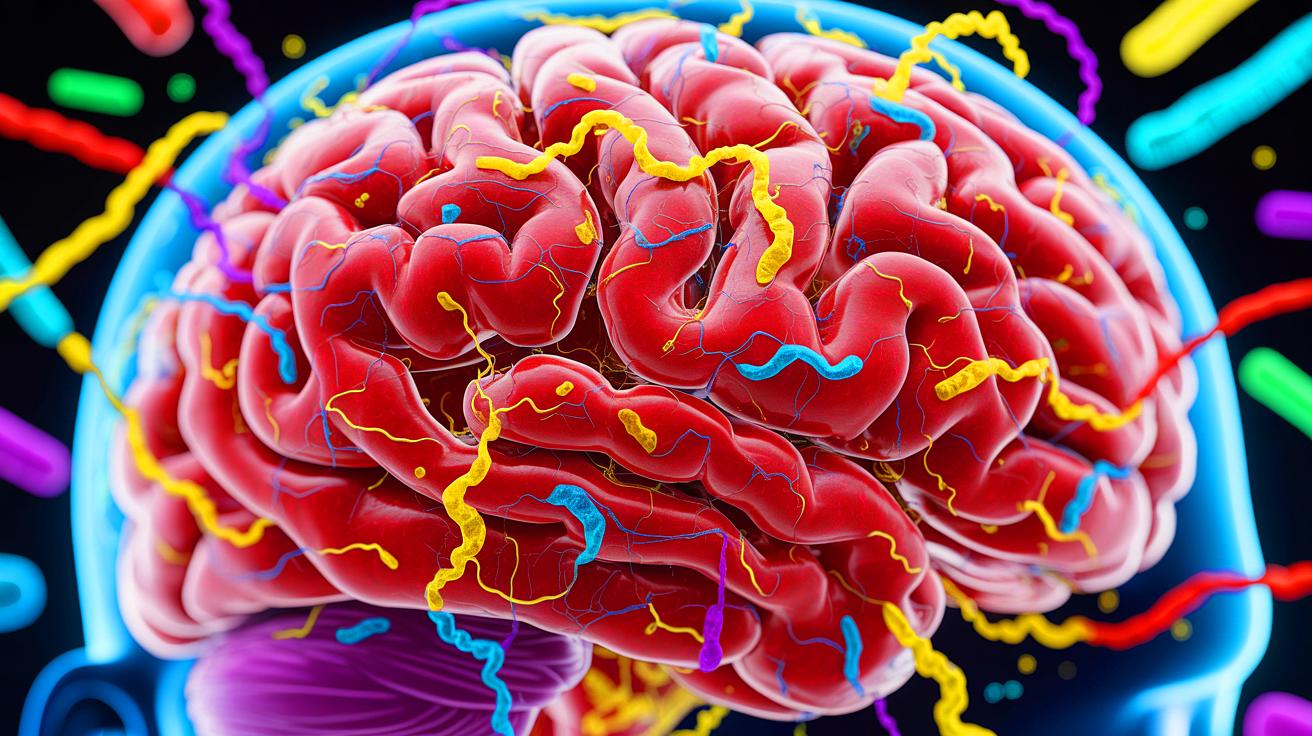
The study published in Nature Medicine marks a groundbreaking discovery in the field of plastic pollution research. While microplastics have been previously detected in various parts of the body, this is the first time significant concentrations have been documented in the brain. Researchers found that microplastics are 12 times more concentrated in brain tissue compared to organs like the liver and kidneys. This discovery is particularly concerning because the brain is the command center of the human body, and any foreign substance has the potential to disrupt its critical functions.
Most of the particles identified were polyethylene, commonly found in plastic bottles and packaging. The study revealed that individuals with dementia had up to ten times the amount of microplastics in their brains compared to healthy individuals. This correlation raises serious questions about the potential role of these particles in exacerbating or even initiating neurological disorders. The implications of such findings could reshape our understanding of dementia and its causes.
The Mechanics of Microplastic Accumulation
Microplastics, defined as particles smaller than 5 millimeters, possess the ability to breach the body’s most protective barriers, including the blood-brain barrier. This capability allows them to infiltrate and accumulate in brain tissue, specifically in the myelin sheath, which insulates nerve cells. This accumulation could potentially hinder neural communication and exacerbate conditions like dementia.
Given their diminutive size, ranging from visible fragments to particles as tiny as 200 nanometers, microplastics easily permeate the body’s defenses. The myelin sheath’s role in facilitating efficient nerve signaling makes it a critical area of concern for scientists. Understanding how these particles impact this essential component of the nervous system is paramount for assessing the broader health implications of microplastic exposure.
A Surge in Microplastic Concentration
The study highlights a staggering increase in microplastic levels in brain tissue over the past eight years. Samples collected in 2024 showed a median concentration of 4,917 micrograms of plastic per gram of brain tissue, equivalent to four to five paper clips worth of plastic per pound of brain tissue. This sharp rise is attributed to the global surge in plastic production and environmental contamination.
Food and water are significant sources of exposure, with contaminated water, plastic-laden animal feed, and fertilizers contributing to the accumulation of microplastics in the food chain. This widespread exposure underscores the need for immediate action to curb plastic production and explore alternatives to single-use plastics. As microplastics continue to permeate our environment, their impact on human health is becoming increasingly difficult to ignore.
Microplastics and Dementia: A Growing Concern
The study’s findings raise alarm bells about the potential link between microplastics and dementia. Individuals with dementia exhibited significantly higher concentrations of microplastics around blood vessels and immune cell clusters in their brains. This observation suggests that microplastics might contribute to the aggregation of proteins, a hallmark of neurodegenerative diseases.
Lead researcher Matthew Campen emphasizes the urgency of understanding how microplastics might disrupt neural connections or obstruct blood flow, potentially exacerbating cognitive decline. While more research is needed to establish a direct link between microplastics and dementia, the study provides a crucial foundation for future investigations. The potential health risks associated with microplastic exposure demand immediate attention and action.
Health Risks Beyond the Brain
While the brain has been the focal point of this study, the potential impact of microplastics on other organs cannot be overlooked. The accumulation of plastic particles in the liver, kidneys, and lungs raises broader health concerns. As the most complex organ in the body, the brain’s vulnerability highlights the potential risks microplastics pose to overall human health.
Even if plastic production were to cease immediately, existing microplastics would continue to degrade and persist in the environment for decades. This ongoing contamination necessitates urgent interventions to mitigate the health crisis posed by microplastic exposure. The study serves as a wake-up call for governments, industries, and individuals to address the plastic epidemic before it spirals further out of control.
This pivotal research serves as a stark reminder of the urgent need to tackle plastic pollution, not just as an environmental issue but as a growing public health crisis. The revelation of microplastics in the human brain marks a turning point in our understanding of their potential impact on neurological health. As we grapple with the pervasiveness of plastic in our lives, the question remains: What steps will we take to protect future generations from the mounting threat of microplastic contamination?




Wow, microplastics in the brain? That’s really alarming! 😱
This is why I always say we need to cut down on plastic use worldwide!
Are there any specific foods we should avoid to minimize exposure?
This sounds like something out of a sci-fi movie! 🛸
How reliable is this study? It seems a bit sensationalist.
Great article, but what can we do as individuals to reduce our exposure?
Are certain age groups more at risk for microplastic exposure in the brain?
Microplastics in the brain? What’s next, metal in our lungs? 😕
It’s terrifying to think about how pervasive plastic pollution has become.
If dementia is linked to microplastics, what does that mean for future generations?
Is there any government action being taken to address this issue?
This study should be a top news story globally. Thanks for bringing it to light!
I’m not sure I buy this. Could this be overhyped?
Should we be worried about other products we use daily, like skincare or clothing?
That’s it, I’m switching to glass bottles. 🥤
It’s shocking that plastic can cross the blood-brain barrier so easily!
How do microplastics even get into the brain? Can someone explain?
More research is definitely needed, but this is a good start!
How do we know this isn’t just correlation rather than causation?
This is genuinely frightening. What will it take for people to take action?
Is there any way to filter microplastics out of our food and water?
Thank you for this eye-opening piece. We need more journalism like this!
This explains a lot about the increase in neurodegenerative diseases!
Plastic pollution is a nightmare! When will people realize? 😤
Does this mean that plastic toys could be dangerous for kids?
What are scientists doing to figure out how to mitigate this issue?
Is there a way to test microplastic levels in our own bodies?
I’ve been using fabric bags for years, but this makes me want to do even more.
Why isn’t this headline news everywhere? This is huge!
I’ve heard enough! Time to start a plastic-free movement! 🌍
This is a massive wake-up call for everyone. Thanks for sharing this important information!
Who funded this research? Always curious about the money trail.
Is there any way to remove these plastics from our bodies once they’re in?
I wonder if my plastic water bottle is causing my forgetfulness… 🤔
Why is this the first time I’m hearing about such a serious issue?