




| IN A NUTSHELL |
|
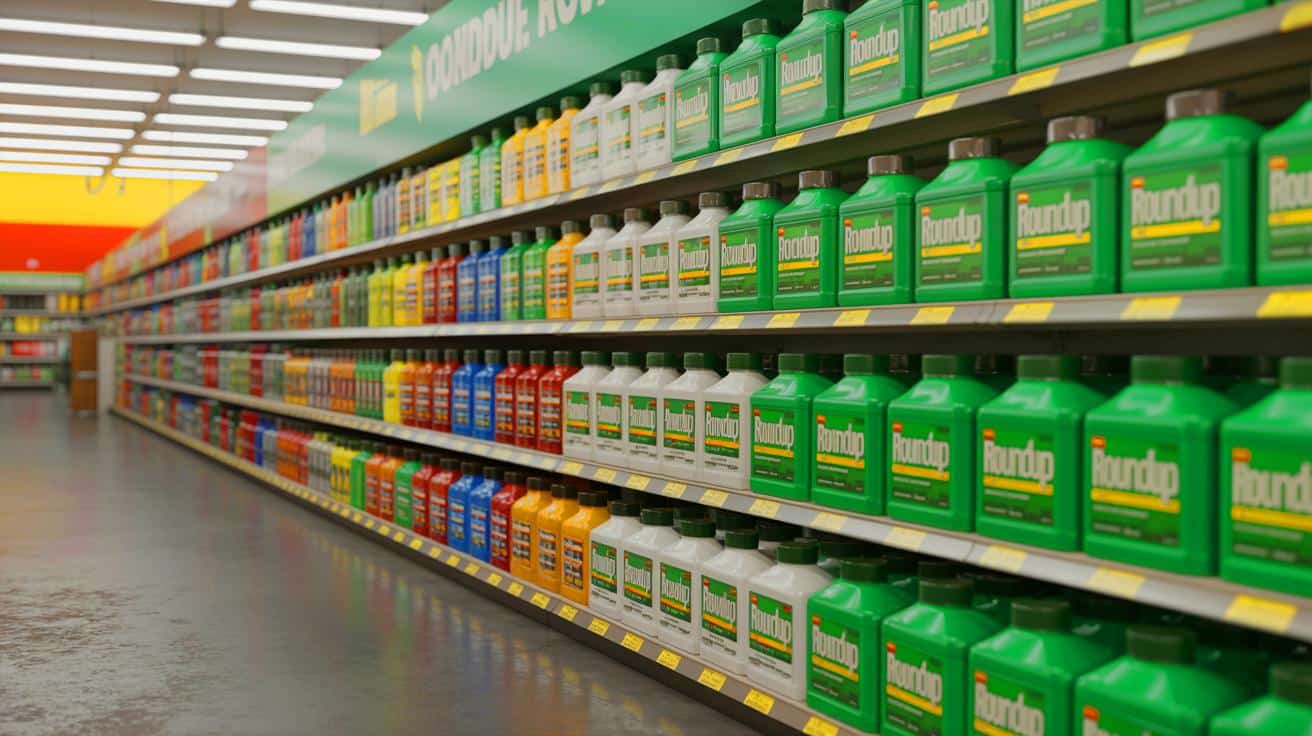
The retraction of a significant scientific paper claiming that glyphosate, commonly known by its brand name Roundup, poses no health risks to humans, has ignited heated discussions within the scientific community. This retraction, occurring 25 years after its original publication, underscores the serious ethical concerns surrounding potential industry manipulation. The paper, once a cornerstone in glyphosate safety research, has now been discredited due to the involvement of Monsanto employees in ghostwriting the study. This development has raised questions about the integrity of glyphosate safety assessments, especially as Bayer, which acquired Monsanto in 2018, continues to assert the chemical’s safety.
The Role of Ghostwriting in Scientific Research
The retraction of the glyphosate safety paper highlights the controversial practice of ghostwriting in scientific research. The paper, which had been widely cited in discussions about glyphosate’s carcinogenicity, was compromised by the involvement of Monsanto employees who contributed to its writing without proper disclosure. Such practices undermine the trust and independence expected in scientific research.
Critics argue that ghostwriting allows corporations to influence scientific literature, potentially skewing findings in favor of corporate interests. The lack of transparency about Monsanto’s involvement in the paper raises ethical concerns and questions the independence of the study’s conclusions. Martin van den Berg, co-editor-in-chief of the journal that published the retraction, emphasized that these issues significantly undermine the academic integrity of the article.
Ghostwriting not only affects the credibility of specific studies but also has broader implications for scientific discourse. When influential papers are later discredited, it can lead to confusion and mistrust among scientists, policymakers, and the public. This case serves as a reminder of the importance of maintaining rigorous standards and transparency in scientific research to ensure its reliability and integrity.
Impact on Regulatory Practices and Public Trust
The retraction of the glyphosate safety paper has significant implications for regulatory practices and public trust in scientific assessments. Regulatory agencies often rely on scientific studies to make informed decisions about the safety of chemicals like glyphosate. However, when key studies are found to have been compromised, it raises questions about the reliability of the data that agencies depend upon.
Public trust in regulatory bodies can be eroded when industry manipulation is revealed. Consumers may become skeptical of the safety assurances provided by these agencies, leading to increased scrutiny and demands for independent research. This erosion of trust can have far-reaching consequences, affecting public perceptions of other chemicals and regulatory decisions.
For Bayer, which now owns Roundup, the retraction presents challenges in maintaining consumer confidence. Despite the company’s assertions that glyphosate is safe when used as directed, the controversy surrounding the retracted study adds to the ongoing debate about the herbicide’s safety. Bayer has faced numerous lawsuits related to Roundup’s potential carcinogenicity, and the retraction may influence future legal and regulatory outcomes.
Re-evaluating Glyphosate’s Safety and Impact
With the retraction of a key paper, the scientific community faces the task of re-evaluating glyphosate’s safety and impact. Glyphosate is one of the most widely used herbicides globally, employed by both industrial-scale farmers and home gardeners. Its safety has been the subject of intense debate, with studies offering conflicting conclusions.
In 2015, the World Health Organization’s International Agency for Research on Cancer classified glyphosate as a probable carcinogen, based primarily on animal studies. However, other health agencies have reached different conclusions, highlighting the need for further research. The retraction underscores the necessity for rigorous, independent studies to provide clarity on glyphosate’s health risks.
The widespread use of glyphosate, particularly in conjunction with genetically modified crops like soy and corn, raises additional concerns about its environmental impact. The ability to spray glyphosate liberally has transformed agricultural practices, but its effects on ecosystems and biodiversity remain contentious. As the debate continues, stakeholders must balance the benefits of glyphosate in agriculture with potential risks to human health and the environment.
Legal and Financial Repercussions for Bayer
The retraction of the glyphosate safety paper has legal and financial repercussions for Bayer. The company has already paid $10 billion in lawsuits related to Roundup’s potential carcinogenicity, yet over 67,000 cases remain unresolved. The retraction may impact ongoing and future litigation, as plaintiffs could use it to challenge the credibility of glyphosate safety claims.
Financially, the controversy surrounding glyphosate poses challenges for Bayer’s reputation and market performance. Investors may become wary of the company’s liabilities, affecting its stock value and financial stability. Moreover, Bayer must navigate the delicate balance of defending its product while addressing public and scientific concerns about glyphosate’s safety.
As the legal landscape evolves, Bayer’s approach to managing glyphosate-related issues will be critical. The company must consider how to address the scientific and public controversies while maintaining its market position. The retraction serves as a catalyst for renewed discussions about corporate responsibility and the importance of transparency in scientific research.
The retraction of the glyphosate safety paper has reignited debates about the integrity of scientific research, regulatory practices, and corporate influence. As stakeholders grapple with the implications of this development, questions about glyphosate’s safety and impact remain. How will this retraction influence future scientific research and regulatory decisions regarding glyphosate and similar chemicals?



Wow, 25 years to retract a study? That’s like finding out Santa isn’t real at 30! 🎅
Wow, 25 years to retract a paper? That’s a long time to let misinformation spread! 😮
Did anyone else find the timing of this retraction suspicious?
How did Monsanto manage to influence such a significant study for so long?
What does this mean for the future of glyphosate in agriculture?
The ghostwriting revelation is shocking. How can we trust any studies now?
I always thought ghostwriting was a problem in fiction, not in scientific papers! 🤔
Thank you for shedding light on this important issue. It’s crucial for public health.
Great article! It’s important to question the integrity of research backed by big corporations.
Is it true that glyphosate is still considered safe by some health agencies?
How many more studies are out there with hidden corporate influences?
I’m confused. Should I stop using Roundup in my garden?
Why didn’t Bayer address these concerns earlier? Seems like a PR nightmare. 😬
Where can we find independent research on glyphosate’s safety?