




| IN A NUTSHELL |
|
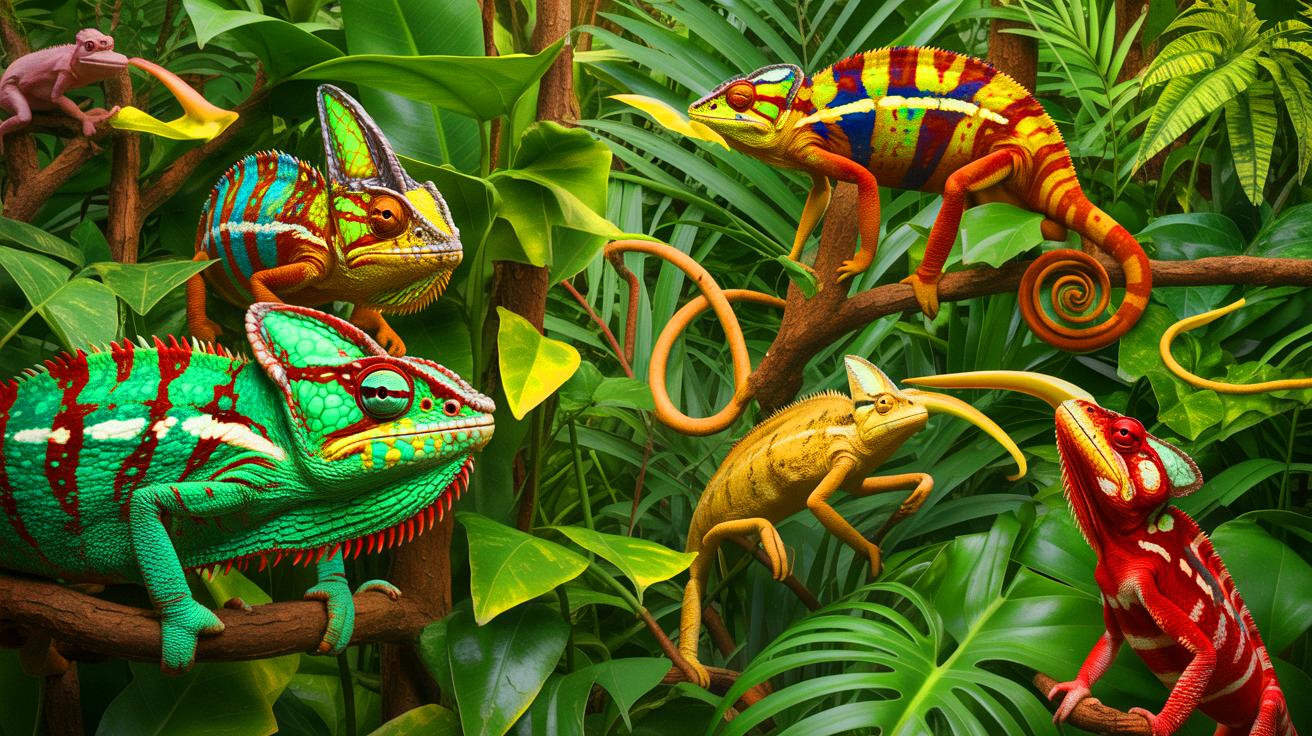
In a groundbreaking discovery, scientists have unveiled two previously unrecognized chameleon species in Madagascar, shedding light on the incredible biodiversity of this unique island. The Pinocchio chameleon, known for its distinctive nasal appendage, has been reclassified as Calumma pinocchio, while another hidden species, Calumma hofreiteri, was also identified. This research, which utilized both modern DNA analysis and historical specimens, highlights the rapid evolution of these reptiles and underscores Madagascar’s status as a biodiversity hotspot. The findings also reveal the potential influence of female mate choice in the evolution of these species, offering new insights into the natural history of chameleons.
Unveiling the Pinocchio Chameleon
Madagascar is renowned for its diverse chameleon population, home to over 40% of the world’s chameleon species. Among these is the so-called Pinocchio chameleon, a species long recognized for its unique nasal appendage. For nearly 150 years, this reptile was grouped under the Calumma gallus species complex, characterized by males with elongated snouts. However, recent genetic and anatomical studies have radically changed this understanding. Researchers have determined that the Pinocchio chameleon is not what it was originally classified to be. This reptile is, in fact, a new species, now aptly named Calumma pinocchio, aligning both its scientific and common names.
The discovery was made possible through comprehensive DNA analysis, which revealed significant genetic differences from previously known species. This reclassification not only updates the taxonomy of these chameleons but also enhances our understanding of their evolutionary journey. The revelation underscores the importance of genetic research in accurately identifying species and understanding their evolutionary paths. It also highlights how much there is still to learn about the rich biodiversity of Madagascar.
Discovery of Another Hidden Species
The research did not stop with the reclassification of the Pinocchio chameleon. By examining DNA from both modern and centuries-old specimens, scientists uncovered another species within the same complex. This chameleon, now known as Calumma hofreiteri, had been misidentified for years as Calumma nasutum due to similarities in physical traits. The genetic analyses were conclusive, demonstrating the intricate complexities within the group of nose chameleons. Dr. Frank Glaw from the Bavarian State Collections of Natural History (SNSB) noted, “The genetic analyses are conclusive: the nose chameleons have virtually fooled previous research.”
This discovery emphasizes the dynamic nature of the chameleons’ evolution, with nasal appendages capable of rapid changes in length, shape, and color. Such evolutionary flexibility is believed to be influenced by female mate selection, a factor that may drive the development of these traits. The findings underscore the role of mate choice in shaping the evolution of species, illustrating how animal behavior can directly impact physical evolution.
Harnessing Museomics for Species Identification
To accurately classify these chameleons, researchers employed a cutting-edge technique known as museomics. This method enables scientists to extract DNA from long-preserved museum specimens, offering invaluable insights into historical biodiversity. The oldest specimen analyzed in this study was collected in 1836, showcasing the power of museomics to unlock secrets from the past. Prof. Miguel Vences from the Technical University of Braunschweig remarked on the potential of these methods, stating, “The study shows the great potential of the new museomics methods to correctly identify historically collected specimens especially in species complexes.”
Museomics represents a significant advancement in taxonomy, allowing for the reevaluation of species based on genetic data rather than solely morphological characteristics. This approach not only helps in accurately identifying species but also assists in understanding their evolutionary history. With these newly described chameleons, Madagascar now boasts exactly 100 chameleon species, further solidifying its status as a global biodiversity hotspot.
Madagascar: A Hotspot of Rapid Evolution
Madagascar’s unique ecosystem is a fertile ground for the rapid diversification of species, particularly reptiles. The island’s isolation and varied habitats have contributed to the emergence of distinct species over time. The discovery of Calumma pinocchio and Calumma hofreiteri adds to the growing list of species that highlight the island’s exceptional biodiversity. These findings offer a glimpse into the evolutionary processes that occur in isolated ecosystems, where species adapt and diversify at an accelerated pace.
This research not only enriches our understanding of Madagascar’s natural history but also underscores the importance of conservation efforts. Preserving the island’s unique habitats is crucial for maintaining its biodiversity and ensuring the survival of its endemic species. As new species continue to be discovered, Madagascar remains a vital area for scientific exploration and conservation.
The discovery of new chameleon species in Madagascar is a testament to the island’s extraordinary biodiversity and the power of modern scientific methods. These findings challenge our understanding of species evolution and highlight the intricate dynamics of natural selection. As researchers continue to explore Madagascar’s rich ecosystems, what other hidden species might they uncover? What further secrets about the evolution of life on this remarkable island await discovery?



Wow, 150 years is a long time to solve a mystery! 🕵️♂️
Wow, 150 years! Just goes to show how much we still have to learn about our planet. 🌍
How do they know female mate selection influences evolution? 🤔
How do they even manage to extract DNA from specimens over a century old? 🤔
This is an amazing discovery! Thanks for sharing.
I’m curious about the role of female mate selection. How exactly does it influence the chameleons’ evolution?
Why didn’t they figure this out sooner with all our modern tech?
Thank you for such an enlightening article! It’s amazing to learn about the hidden diversity in Madagascar.
Madagascar is like the Disneyland of biodiversity! 🦎🎢
So, does this mean we might have more “Pinocchio”-style chameleons out there? 🤣
Can museomics be used for other animals too?
Great work by the scientists! But what about conservation? Are there efforts to protect these newly discovered species?
Interesting! But how does this affect conservation efforts in practice?
This is incredible! I had no idea Madagascar had 100 chameleon species. 🦎