




| IN A NUTSHELL |
|
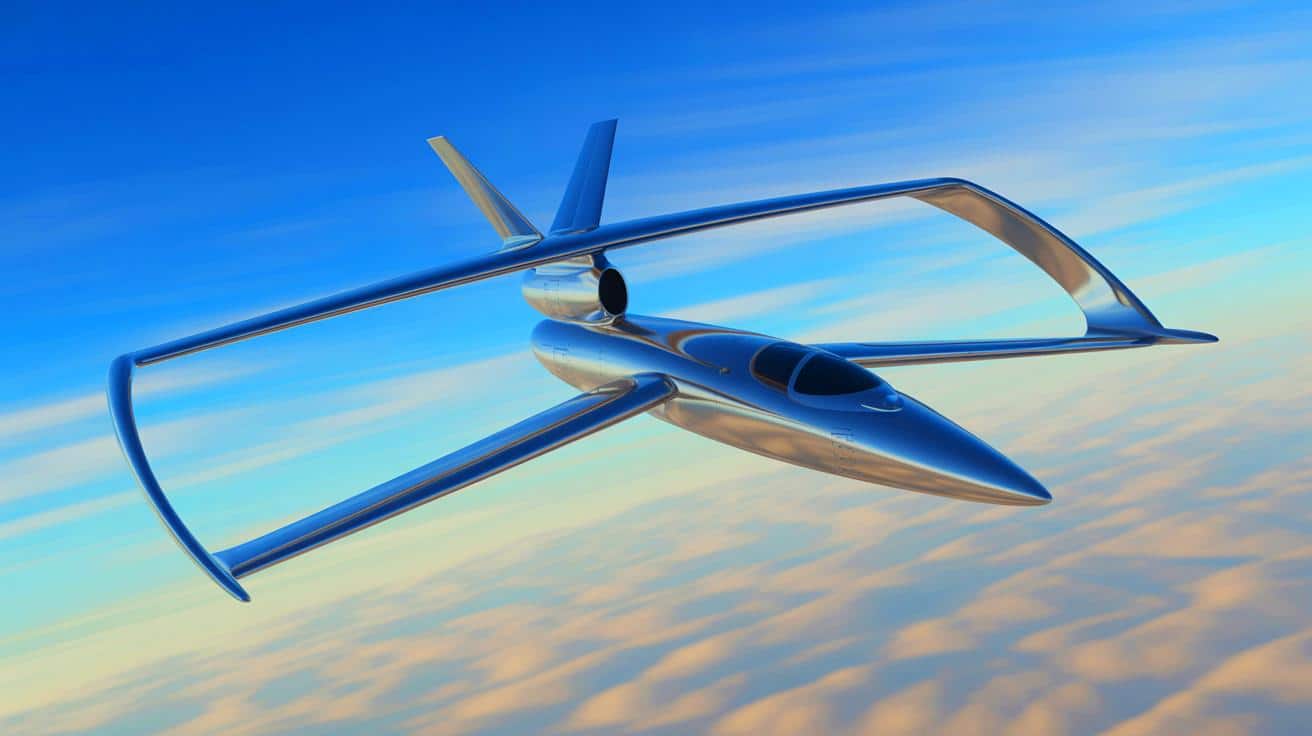
In recent years, the concept of oblique wing aircraft has resurfaced, capturing the interest of engineers and military strategists alike. This design, which allows a single wing to swivel around the fuselage like a scissor blade, holds the potential to revolutionize flight capabilities. Initially developed in the 1940s, it has been experimented with multiple times but has never reached widespread success. However, recent reports indicate that Chinese engineers are working on their own version of this innovative concept. If successful, this could have significant implications for military aviation, particularly in the realm of hypersonic speeds and drone technology.
The Resurgence of Oblique Wing Technology
The oblique wing concept is not new. It has been explored by various entities, including NASA, over the decades. The idea is simple yet revolutionary: a single wing that can pivot to optimize performance at different speeds. At slow speeds, the wing extends perpendicularly for takeoff and landing. At high speeds, it aligns with the fuselage, transforming the aircraft into a streamlined dart capable of hypersonic travel.
Despite its potential, this concept faced numerous challenges, particularly in stability and control. The NASA AD-1, tested in the 1970s, was notoriously difficult to manage. Today, Chinese engineers are reportedly overcoming these obstacles using modern technologies. By employing supercomputers and AI, they can model and predict airflow dynamics, ensuring better stability and control. The integration of smart materials and sensors further enhances the aircraft’s ability to withstand intense aerodynamic stresses.
This renewed interest in oblique wing technology highlights its potential military applications. A successful design could serve as a base for a new type of drone “mother ship,” capable of reaching speeds of Mach 5 and operating near the edge of space. Such a platform could revolutionize the deployment of drone swarms, providing strategic advantages in modern warfare.
Challenges in Developing Hypersonic Aircraft
Creating an aircraft capable of Mach 5 flight is no small feat. At these speeds, temperatures can exceed 1,832°F on the aircraft’s exterior, while internal components like the pivot shaft remain cooler. This temperature differential poses significant engineering challenges, including the risk of differential expansion and material fatigue. Lubrication failures and potential cracking of components are serious concerns that need to be addressed.
To mitigate these risks, redundancy and real-time stress monitoring systems are essential. Aircraft must be equipped with multiple backup systems and diagnostics capable of microsecond-level assessments. Fail-safe mechanisms are crucial to lock the wing in a stable position should the pivot fail. As one aviation expert noted, “Redundancy is a must” for the successful implementation of this technology.
If the Chinese engineers can overcome these technical hurdles, it would mark a significant milestone in aviation history, potentially bringing to life a concept that was once deemed too advanced for its time.
Potential Military Implications
The successful development of oblique wing aircraft could have profound implications for military strategy. A hypersonic platform capable of deploying drone swarms could serve as a formidable weapon in future conflicts. Such a system would be challenging to intercept, offering long-range capabilities and the ability to conduct rapid, precise strikes.
These aircraft could carry numerous autonomous drones, each designed for specific tasks such as attacking radar systems, communication hubs, and command centers. The ability to operate at hypersonic speeds would allow these drones to penetrate enemy defenses swiftly, making them a valuable asset in modern warfare.
However, the integration of this technology into military operations would require significant investments in infrastructure and training. The strategic advantages must be weighed against the costs and potential risks associated with deploying such advanced systems.
The Future of Oblique Wing Aircraft
As China continues to explore the possibilities of oblique wing technology, the world watches with interest. The potential success of this project could usher in a new era of aviation, characterized by high speed, efficiency, and adaptability. The implications extend beyond military applications, potentially influencing commercial and scientific fields as well.
Despite the challenges, the pursuit of oblique wing aircraft demonstrates the relentless quest for innovation in aviation. This endeavor reflects the broader trend of leveraging cutting-edge technologies to solve age-old engineering problems. As research progresses, the question remains: will this ambitious project redefine the limits of flight, or will it remain an intriguing yet unattainable dream?
As the world anticipates the next developments in this field, one must consider the broader implications of such advancements. How might the successful implementation of oblique wing technology influence global military dynamics and the future of aerospace engineering?