



| IN A NUTSHELL |
|
In a surprising move, North Carolina has introduced a bill aimed at banning octopus farming, a practice that has not yet taken root in the United States. This legislative effort is part of a broader national and international discourse on the ethics and environmental impact of cultivating octopuses for commercial purposes. While there are no existing octopus farms in North Carolina, the bill serves as a preemptive measure against potential future developments. The legislation has sparked a heated debate among environmentalists, policymakers, and local agricultural communities, highlighting concerns over ecological sustainability and ethical treatment of these highly intelligent creatures.
The Controversial North Carolina Bill
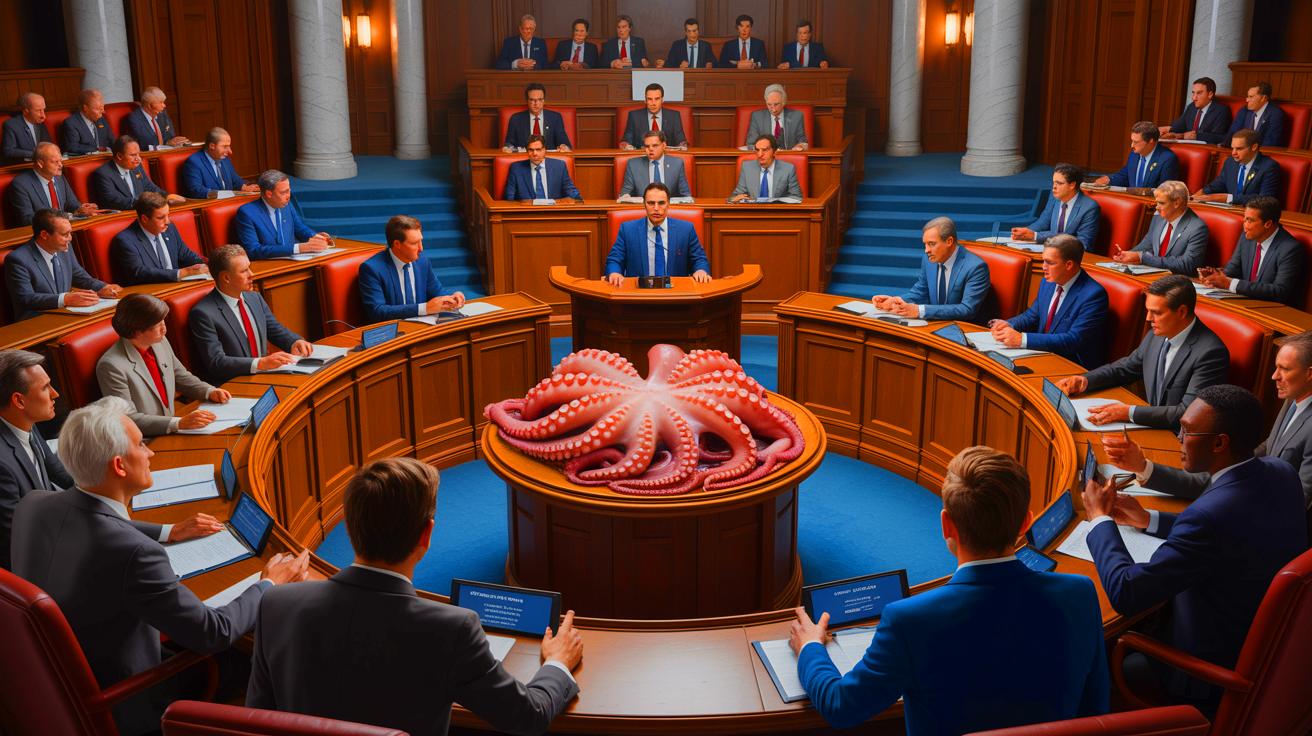
The proposed legislation in North Carolina, known as House Bill 293, seeks to ban the farming of octopuses for human consumption. This bill, championed by Rep. Pricey Harrison, is designed to prevent the establishment of octopus farming operations in the state, despite the current absence of such farms. The bill has already captured the attention of state legislators, though not always positively. Some lawmakers criticize the timing of the bill, arguing that it diverts attention from more pressing issues like hurricane recovery and agricultural relief. Nonetheless, the bill aims to underscore the potential threats octopus farming could pose to local ecosystems and the ethical considerations of confining such intelligent animals.
House Bill 293 also addresses the transportation of octopuses resulting from aquaculture, prohibiting their movement into the state. Notably, the bill exempts wild-caught octopuses and those used solely for scientific research, reflecting a nuanced approach to the issue. While the bill’s future is uncertain, its introduction has succeeded in raising awareness about the potential environmental and ethical implications of octopus farming.
“World’s first-ever”: Denmark’s historic tax on cow farts shocks climate activists worldwide
Environmental and Ethical Concerns
Critics of octopus farming highlight several environmental and ethical concerns associated with the practice. Octopuses are carnivorous creatures with a significant protein requirement, necessitating the capture of wild fish to feed farmed octopuses. According to NPR, it takes approximately three pounds of wild-caught fish to produce one pound of farmed octopus, raising concerns about the strain on marine resources. In North Carolina, environmental activists worry that octopus farming could exacerbate the depletion of local fisheries, particularly affecting the already declining blue crab population.
Beyond environmental issues, the ethical treatment of octopuses in a farming context raises significant concerns. Octopuses are known for their intelligence and problem-solving abilities, capable of opening jars and escaping enclosures. The prospect of confining such cognitively advanced animals in tanks or nets is troubling to many animal rights advocates. Furthermore, the methods used to slaughter octopuses, such as immersion in ice slurries, are considered inhumane by some. These ethical considerations form a crucial aspect of the debate surrounding the proposed ban on octopus farming.
The Global Context of Octopus Farming
The discussion around octopus farming is not limited to North Carolina or even the United States. Internationally, the practice is gaining attention as companies explore the possibility of cultivating octopuses to meet growing consumer demand. Seafood company Nueva Pescanova is pioneering efforts to establish the world’s first commercial octopus farm in Spain’s Canary Islands. This development has prompted several U.S. states, including Washington and California, to enact bans on octopus farming, with similar legislation being considered in New Jersey, Hawaii, and Oregon.
The OCTOPUS Act, introduced in Congress, represents a national legislative effort to address the issue. Proponents of these bans argue that they are necessary to prevent the environmental degradation and ethical dilemmas associated with octopus farming. However, opponents, including agricultural bureaus in states like Oregon, warn that such bans could set a concerning precedent for restricting the farming of entire animal genera without robust scientific justification.
Voices from Both Sides
The debate over octopus farming encompasses a range of perspectives. Environmental activists and animal rights advocates emphasize the potential ecological devastation and ethical concerns, advocating for a precautionary approach. On the other hand, companies like Nueva Pescanova argue that farmed octopus can alleviate pressure on wild populations and satisfy consumer demand. The Oregon Farm Bureau expresses concern over the ramifications of banning the farming of an entire genus of animals, suggesting that science-based evidence should guide such decisions.
This multifaceted debate reflects broader tensions between environmental sustainability, ethical considerations, and economic interests. As the conversation continues, stakeholders on both sides grapple with finding a balance between protecting ecosystems and meeting market demands. The outcome of these discussions could have significant implications for the future of octopus farming and similar industries.
The introduction of North Carolina’s bill to ban octopus farming has sparked a lively discussion on the ethical and environmental implications of such practices. This legislative effort underscores the complexities of balancing ecological sustainability with consumer demand and ethical considerations. As the debate unfolds, one must wonder: how will society reconcile these competing interests to shape the future of sustainable aquaculture?



Why is North Carolina focusing on octopus farming when there aren’t any farms yet? 🤔
Is the bill likely to pass in North Carolina, or is it more of a symbolic gesture?
Honestly, octopus farming sounds like a bad idea. They’re too smart for that kind of life.
Can someone explain how this impacts families? The article is a bit vague on that.
Environmental concerns are valid, but shouldn’t we consult marine biologists first?
Octopuses are amazing creatures, but isn’t it an overreaction to ban farming entirely?
Interesting read! Could octopus farming actually help reduce pressure on wild populations?
The ethical argument is strong. We shouldn’t farm animals that can solve puzzles.
How does this bill compare to similar legislation in other states or countries? 🌍
I wonder if public opinion will sway lawmakers in North Carolina on this issue.
Shouldn’t we focus on sustainable practices rather than outright bans?
Octopus farming is a slippery slope. Today octopuses, tomorrow what?
Are there any scientific studies backing the claims made in the bill?
This is about ethics more than economics. We need to prioritize animal welfare. 🐙❤️
I’m glad North Carolina is taking a stand on this, even if it seems premature.
Is there a link to the full text of House Bill 293? I’d like to read it myself.
Why aren’t more people talking about the environmental impact of farmed fish to feed octopuses?
Thank you for bringing this issue to light! It’s important to discuss the ethics of farming intelligent creatures.
The article should have included more voices from the business community.
How do we ensure that the bill doesn’t negatively impact local fishermen?
My kids love octopuses, and now they want to know how they can help protect them! 🐙💪
Doesn’t banning octopus farming just push the problem elsewhere?
The ethical considerations are valid, but are they enough to justify a ban?
Are there any proposed alternatives to octopus farming that could meet consumer demand?
This reminds me of when California banned foie gras. Is this really the same thing?
I’m on the fence about this. Can we balance ethical concerns with market demand?
Don’t octopuses escape from enclosures easily? Farming them seems impractical anyway!
Is there a timeline for when this bill will be voted on? ⏰
Not sure why octopus farming is such a big deal. Aren’t there bigger environmental issues to tackle?
Great article! I had no idea octopuses were so intelligent. Makes me think twice about eating them.
This seems like a preemptive measure. Is there evidence that octopus farming is harmful?
Octopus are smarter than dogs? Wow, that’s a new one for me! 🐶🐙
The article doesn’t mention the economic impact of banning octopus farming. What about jobs? 🤨