



| IN A NUTSHELL |
|
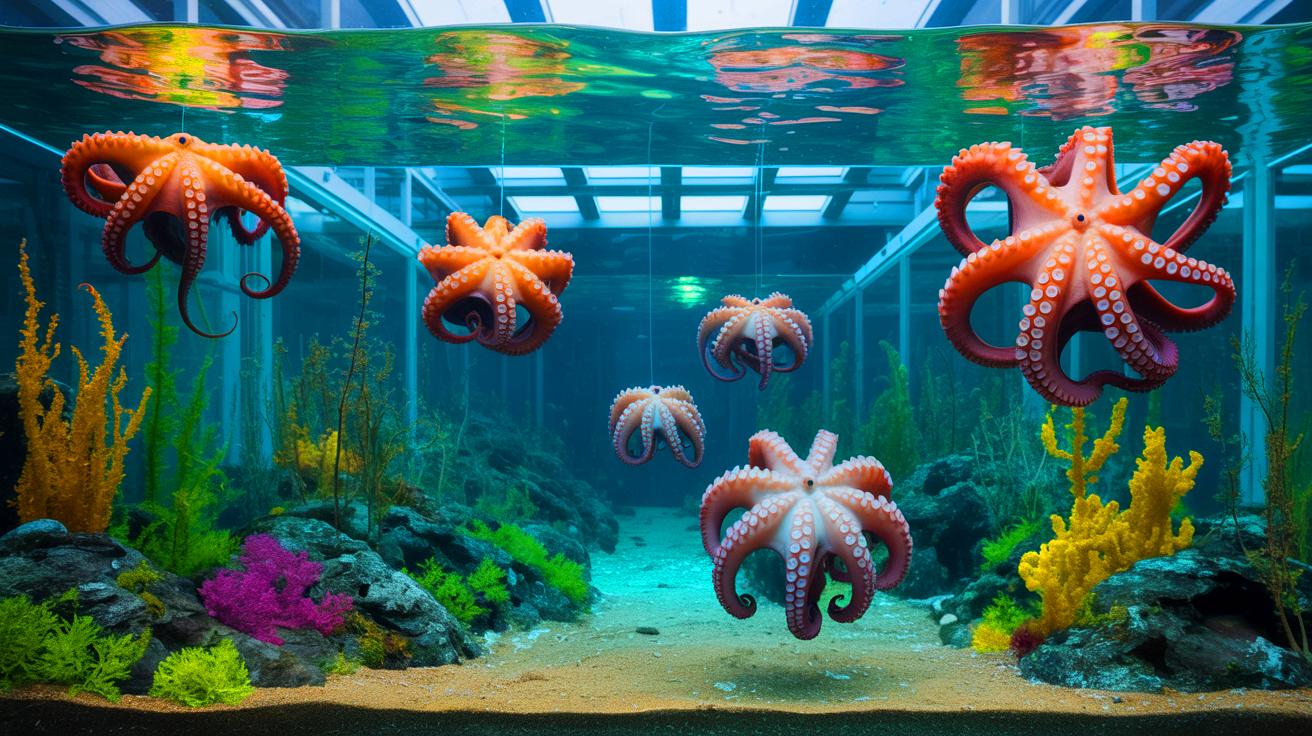
In the world of aquaculture, the introduction of the world’s first commercial octopus farm has sparked intense debate. Spearheaded by Spanish seafood conglomerate Nueva Pescanova, the initiative aims to address declining wild octopus populations through controlled farming methods. However, the ethical and environmental implications of farming such intelligent creatures are causing significant controversy. This article explores the multifaceted issues surrounding octopus farming, from ethical concerns to legislative responses and scientific insights, highlighting the profound impact these discussions may have on the future of marine conservation and industrial practices.
The Intellectual Marvels of Octopuses
Octopuses are remarkable creatures, often described as the closest comparison to alien intelligence on Earth. With an impressive 500 million neurons, comparable to some mammals, these cephalopods display a level of cognitive sophistication that is rare in the animal kingdom. Their unique neural architecture, with two-thirds of their neurons distributed across their arms, gives each arm a degree of autonomy. This setup allows them to perform complex tasks, such as solving puzzles and using tools, with remarkable dexterity.
Notable examples of octopus intelligence include Otto, an octopus known for short-circuiting a spotlight by squirting water at it, demonstrating problem-solving abilities and even a sense of annoyance. Such behaviors underscore the profound intelligence and sentience of octopuses, raising questions about the morality of farming these creatures. The debate is fueled by a growing recognition of their complex behaviors, which challenge our understanding of non-human intelligence and prompt us to reconsider how we treat these fascinating beings.
Ethical Concerns and Animal Welfare
The ethical implications of octopus farming are deeply intertwined with their demonstrated sentience and intelligence. A comprehensive review by the London School of Economics concluded that octopuses can experience sensations such as pleasure and pain. This led to their inclusion in the UK’s Animal Welfare (Sentience) Act, marking them as the only invertebrates to receive such legal protection, highlighting the need for ethical consideration in their treatment.
Animal welfare groups have expressed significant concern over the proposed farming conditions by Nueva Pescanova. The practice of housing multiple octopuses in small tanks contradicts their solitary nature and could lead to aggression and cannibalism. Furthermore, the method of using ice slurry to kill octopuses has been criticized as inhumane, causing prolonged suffering. Neuroscientists argue that such practices are unacceptable for creatures with advanced cognition, emphasizing the importance of humane treatment in aquaculture.
The Global Backlash and Legislative Actions
Nueva Pescanova’s octopus farming plans have faced strong global opposition. In Washington state, legislators have banned the practice, citing ethical and economic concerns. U.S. Senators Lisa Murkowski and Sheldon Whitehouse have introduced the OCTOPUS Act, aiming to prohibit octopus farming nationwide and prevent the import of farmed octopus. This legislative action reflects a growing recognition of octopuses as intelligent, sentient beings that should not be subjected to commercial farming.
Internationally, the backlash against octopus farming is gaining momentum. The European Union is under pressure to halt the proposed Spanish facility, as protests in Madrid demonstrate public opposition to what is viewed as a new frontier in animal cruelty. As awareness of octopus intelligence spreads, there is a growing call for ethical treatment and conservation, reflecting a shift in public consciousness regarding the exploitation of intelligent marine life.
Scientific and Environmental Implications
While proponents of octopus farming argue that it could reduce pressure on wild populations, the practice raises significant environmental and scientific concerns. Octopuses are carnivorous, requiring large quantities of fish to produce octopus meat. This demand exacerbates existing pressures on depleted fish stocks, contradicting conservation efforts and raising questions about the sustainability of farming predatory species.
The scientific community is also grappling with the moral implications of farming intelligent creatures. Documentaries like “My Octopus Teacher” have highlighted the emotional depth and trust-building capabilities of octopuses, challenging humanity’s perception of them. As we explore the genetic markers of intelligence shared between humans and octopuses, the question arises: should this knowledge be used for industrial gain or to foster a deeper understanding and appreciation of these remarkable animals?
The controversy surrounding the proposed octopus farm by Nueva Pescanova highlights a critical moment in our relationship with intelligent marine life. As scientific insights reveal the remarkable cognitive abilities of octopuses, the ethical and environmental implications of farming them become more pronounced. With legislative actions and public protests gaining momentum, the future of octopus farming remains uncertain. Will humanity prioritize ethical treatment and conservation, or will commercial interests prevail? This question holds significant implications for our relationship with the natural world in the years to come.

This is shocking! How can we justify farming such intelligent creatures? 😢
Another example of humans exploiting nature. When will we learn?
Who thought this was a good idea? Ethical disaster indeed!
How do they even catch enough fish to feed these octopuses? 🤔
Can octopuses really feel pain like mammals do?
I appreciate the article for raising awareness about this issue. Thank you!
Why isn’t there more global outrage about this?
It’s like a sci-fi horror story coming to life. Fascinating and terrifying!
Is there any way to farm octopuses ethically, or is it fundamentally wrong?
I had no idea octopuses were so intelligent. This changes everything.
Is there a petition I can sign to stop this madness?
Why is it always profit over well-being? Such a sad world we live in. 🌎
Octopus farming sounds like a terrible idea. Just hunt them sustainably!
Thank you for shedding light on this issue—more people need to be informed.
Can the EU actually stop the Spanish facility, or is it just political talk?
What are the alternatives to octopus farming for meeting seafood demand?
Are there any countries supporting this initiative? 😠
I’m skeptical about the claims of intelligence. How do we know for sure?
Great article, but I wish it included more on possible solutions. 👍
Is Nueva Pescanova the only company farming octopuses, or are others involved?
Who knew octopuses could be so controversial? This is wild! 🐙
Are octopuses the only invertebrates to receive such legal protection?
Thanks for bringing this to my attention. I’ll be following closely!
What’s next, dolphin farms? 😤
How can we ensure that octopus farming doesn’t lead to ecological collapse?
This feels like a Black Mirror episode! 🙈
Is there any scientific backing for the humane treatment of octopuses?
I’m glad some countries are taking action against this practice. 💪
Why are octopuses not given the same consideration as mammals?
Is this just a way to keep seafood prices down? Feels like a money grab.
Would love to see a follow-up article with more expert opinions. 😊
What can individuals do to help prevent octopus farming?
Who knew octopus farming could spark such a heated debate? 😅