




IN A NUTSHELL
Adopting sustainable practices in everyday life is no longer a niche preference; it is a pragmatic response to mounting environmental and social challenges. Implementing small, deliberate changes—like reducing your carbon footprint, choosing energy-efficient appliances, or prioritizing plant-based meals—yields measurable benefits for both the planet and household budgets. Evidence shows that modest adjustments, such as composting kitchen waste, switching to a renewable energy provider, or replacing single-use items with reusable alternatives, compound quickly when adopted at scale.
This approach is inherently practical: it demands assessment, prioritization and habit formation rather than perfection. Framing sustainability as a series of incremental, evidence-based actions makes adoption feasible for busy individuals and families. Beyond environmental gains, many practices reduce long-term costs, improve health outcomes and strengthen local economies. The argument is simple and compelling—collective impact grows from consistent individual choices—and the next step is identifying which low-effort, high-impact changes fit your lifestyle and local context.
reduce waste at home
Reducing household waste is the most immediate place to argue for change: small shifts in routines compound into measurable reductions in landfill volume and resource extraction. Prioritize the hierarchy of reduce, reuse, recycle—but push readers beyond recycling alone. Replace disposable items (paper towels, single-use cutlery, plastic wrap) with durable alternatives, and institute a household repair-first policy for electronics, clothing, and furniture. Repairing instead of replacing preserves embedded energy and reduces demand for new manufacturing.
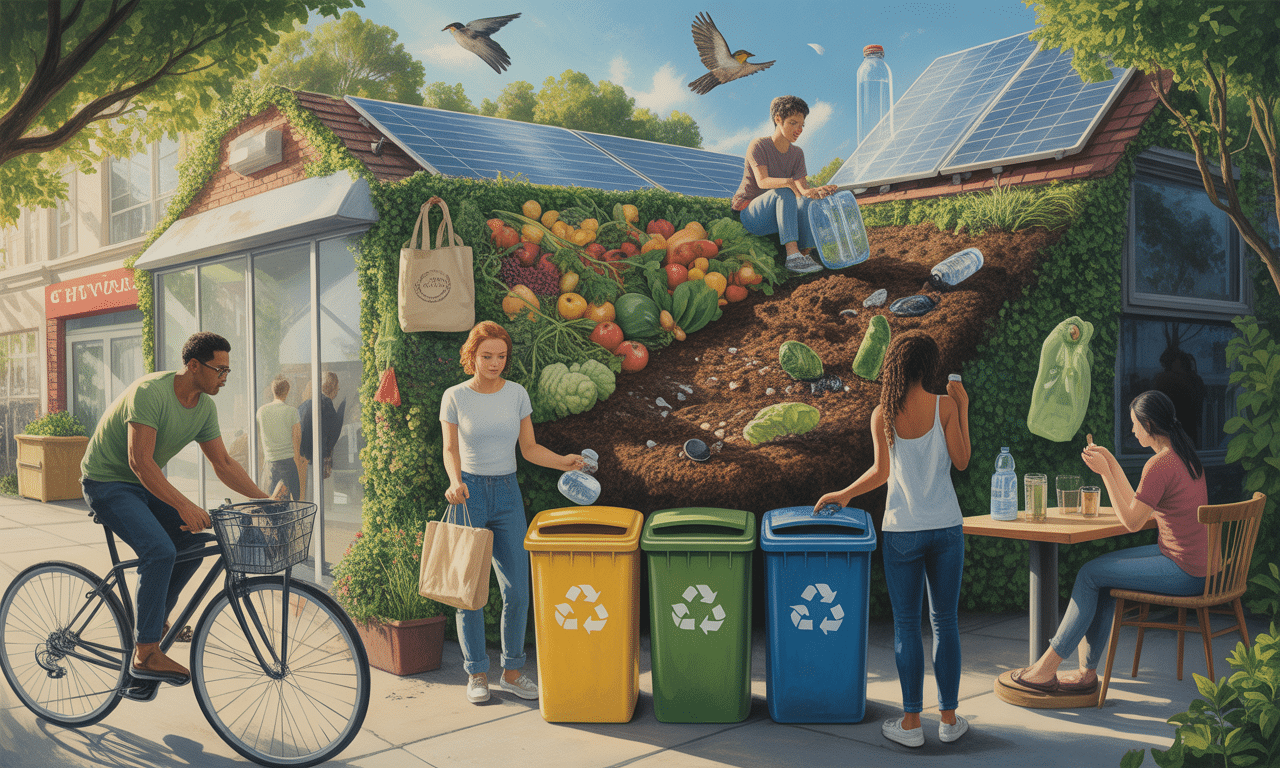
Adopt a simple kitchen workflow that separates food scraps for composting, plans meals to minimize spoilage, and preserves leftovers rather than tossing them. Compost not only diverts methane-producing waste from landfills but creates nutrient-rich soil for gardens. Encourage storing dry goods in glass jars, buying bulk when possible, and keeping a list to avoid impulse buys that often become waste.
Make reusable kits (utensils, straws, napkins, shopping bags) a visible habit: keep them near the door or in your bag to eliminate last-minute single-use purchases. Use digital receipts and paperless billing to curb paper waste—this is a low-friction change with wide impact. Every habitual choice to reuse or refuse single-use items weakens the market for disposable products.
Below is a compact table to help prioritize actions at home, showing quick wins and expected impact areas:
| Action | Immediate benefit | Long-term impact |
|---|---|---|
| Compost kitchen waste | Less landfill trash | Improved soil quality, reduced methane |
| Reusable shopping kit | Fewer plastic bags | Lower plastic production demand |
| Repair items first | Lower replacement cost | Extended product lifetimes, less waste |
| Paperless billing | Less paper clutter | Fewer trees cut, reduced chemical exposure |
Practical, repeatable routines are more powerful than occasional large gestures. Use resources such as the HBR piece on simple ways to build sustainability into daily life (hbr.org) to frame changes in organizational or household contexts and to defend the argument that convenience and sustainability can align.
shift transportation habits
Transportation choices are a major lever for cutting personal carbon emissions. Arguing for modal shifts—walking, cycling, public transit, carpooling—requires confronting convenience and habit. Challenge the default of solo driving by highlighting practical alternatives: schedule-based public transit for predictable commutes, active transport for short trips, and car-sharing for occasional needs. Shifting a few weekly trips from car to bike or transit quickly reduces fuel use and exposes the hidden costs of driving.
For drivers who can’t avoid a vehicle, incremental changes matter. Use fuel-efficient driving techniques, consolidate errands, and maintain your car to improve mileage. Consider electric or hybrid vehicles where feasible: although not a universal fix, EVs lower tailpipe emissions and pair well with household renewable electricity. Tech can assist—features like eco-routing in navigation apps and trip-planning tools reduce fuel consumption without asking for radical lifestyle change.
Advocacy matters here too. Encourage employers to subsidize transit passes, install bike parking and showers, or adopt flexible schedules that permit commuting outside peak hours. These organizational moves reduce congestion and emissions while improving employee well-being. Municipal investments in bike lanes and reliable transit expand options for everyone; cite policies and pilot programs to make the case for systemic change.
Finally, plan travel mindfully. Where possible, choose rail over air for regional travel; when flying is unavoidable, offset emissions and combine trips to reduce frequency. For ongoing inspiration on mainstream industries responding to sustainability pressures—useful when arguing that transport shifts are realistic—consult the analysis of industry adaptations and new technology trends at Energy Theory and research on sustainable innovations across sectors like those covered by Sustainability Times.
choose sustainable food and shopping
Food and retail choices communicate market demand; consumers who prioritize sustainable products cause supply chains to shift. Argue that mindful purchasing—favoring seasonal, local, and minimally packaged items—reduces emissions from transport, packaging waste, and the ecological stress of industrial agriculture. Buying from farmers’ markets or joining a community-supported agriculture (CSA) program both strengthens local economies and shortens supply chains.
Reduce meat consumption strategically rather than mandating strict diets. Plant-forward meals cut greenhouse gas intensity per calorie and diversify diets in a way that benefits health and the planet. Preserve food through canning, freezing, and pickling to lower waste. Encourage shopping with a list to avoid impulse purchases that often become waste; habitually choose items packaged in recyclable or compostable materials.
Secondhand and circular-economy choices are crucial in fashion and durable goods. Thrifting, repairing, and reselling items extend product lifespans and push back against the logic of fast consumption. For industry-specific insights that strengthen this argument, reference coverage of sustainable practices and innovations—such as how different sectors are adopting greener methods at Sustainability Times and practical tips compiled in lifestyle roundups like Terra & Co.
Every dollar spent is a vote for the kind of world you want. Use certifications and transparent supplier information to steer purchases toward brands that don’t hide environmental harms. When companies adopt circular models, consumers should respond by supporting those efforts—this is how incremental consumer demands translate to industry-wide reform.
optimize energy and water use
Targeting home energy and water use produces measurable savings in bills and emissions. Start with low-cost, high-impact measures: replace incandescent bulbs with LEDs, seal drafts, and install programmable or smart thermostats to avoid energy waste when spaces are unoccupied. Insulation and double-glazed windows are higher-investment actions but yield persistent returns in both comfort and reduced heating/cooling demand. Energy efficiency acts like a free resource—spend a little now to avoid spending more forever.
Water conservation is equally arguable on economic grounds. Fix leaks promptly, install low-flow fixtures, and consider rainwater capture for irrigation. Behavioral shifts—shorter showers, full loads in dishwashers and washing machines—are simple and cumulatively significant. For gardeners and landscapers, prioritize drought-tolerant species and mulching to reduce irrigation needs and support biodiversity.
Switching to renewable energy providers or installing rooftop solar changes the energy profile of a household. Where available, choose green electricity plans or community solar schemes; these choices accelerate the market for clean generation. For practical guidance and ideas about integrating sustainability into daily routines, consult applied resources such as Happy Gro Eco and broader lifestyle compilations like Fherist. These resources offer step-by-step tips and product suggestions that make implementation tangible.
Efficiency reduces the need for new generation and frees capital for cleaner infrastructure. Track usage with home energy monitors and water meters to create feedback loops; measurement converts good intentions into verifiable gains and strengthens your case when advocating for larger-scale investments in efficiency.
influence and invest for broader impact
Individual actions matter, but systemic change requires money and policy. Argue for the dual strategy of public advocacy and sustainable investing. Writing to local representatives, supporting candidates who prioritize climate policy, and joining community groups amplifies personal behavior into political momentum. Use coherent examples—such as campaigns for better public transit or sustainable fishing regulations—to show how organized voices produce regulatory shifts.
On the financial side, channel capital toward green solutions. Sustainable investing—green bonds, ESG funds, and impact investments—directs resources to renewable energy, conservation, and low-carbon infrastructure. Capital follows expectations: diversified green investments can accelerate decarbonization while delivering competitive returns. For research and context, see analyses on sustainable investing and sectoral transitions found at Sustainability Times, and industry case studies that show how innovation reshapes practice.
Push companies and institutions to adopt transparent supply chains, third-party certifications, and measurable targets. Hold banks and service providers accountable by choosing those that finance sustainable projects; resources like the Sustainability Times piece on forestry and other sectoral debates (is sustainable forestry a myth) provide ammunition for informed critique.
Finally, advocate for technological and ecological innovations—support research, pilot projects, and conservation initiatives. Stories about robotic fish in aquaculture or shifts in industry practices illustrate how scalable solutions emerge from pilot programs; the Sustainability Times article on robotic fish (robotic fish) is an example where investment and advocacy create real alternatives. Influence and investment together change the rules of the market.
Implementing sustainable practices is not a matter of idealism; it is a pragmatic strategy that yields environmental, financial, and social returns. Start by prioritizing actions that offer the biggest impact for the least friction: reduce energy waste with LED lighting and a smart thermostat, cut food waste through composting, and swap single-use items for reusables. These choices are defensible because they save money and reduce emissions simultaneously.
Adopt a stepwise approach: pick three habits you can reliably maintain for 30 days, then scale. Use measurement tools—an energy bill audit or a carbon footprint calculator—to convert good intentions into concrete targets. When purchases are necessary, apply a clear criterion: choose durability, repairability, and certified eco-friendly brands. This shifts consumption from impulsive to strategic, reducing waste and supporting sustainable producers.
Transform mobility and food choices because they drive a large share of household emissions. Replace short car trips with cycling, walking, or public transit; plan weekly menus to prioritize plant-based meals and local produce. These adjustments are persuasive: they lower emissions and often improve health, making the argument for change easier to win with friends and family.
Embed sustainability into daily systems: install low-flow fixtures, set up a recycling and compost station, and schedule regular maintenance to extend appliance life. Leverage technology—eco-routing navigation and energy-monitoring apps—to automate better choices. At work and in community groups, advocate for collective solutions like green procurement or shared transportation, because systemic change amplifies individual efforts.
Finally, make sustainability social and iterative. Share progress, celebrate small wins, and invite others to join. When you combine measurable goals, prioritized actions, and community support, sustainable living stops being an abstract ideal and becomes a set of repeatable, effective practices that deliver real-world benefits.
Frequently Asked Questions — Implementing Sustainable Practices in Everyday Life
Q: What is sustainable living and why should I change my daily habits?
A: Sustainable living means choosing actions that reduce environmental impact, preserve resources, and support social well‑being. Changing daily habits is not optional if we want to curb emissions, conserve water and materials, and protect ecosystems; small, consistent choices multiply into measurable reductions in your carbon footprint and often save money and improve health.
Q: How can I start adopting sustainable practices without feeling overwhelmed?
A: Begin with three simple, high‑impact habits—such as switching to LED bulbs, bringing reusable bags and a refillable bottle, and composting kitchen scraps. These first steps demonstrate immediate benefits and build momentum; arguing for gradual adoption removes the pressure to be perfect and makes long‑term change realistic.
Q: What are the easiest ways to reduce energy use at home?
A: Prioritise energy efficiency: replace incandescent bulbs with LEDs, seal drafts, upgrade to energy‑efficient appliances, and use smart thermostats. These actions lower bills and emissions simultaneously—so the rationale is economic as well as environmental.
Q: How can I cut my transportation emissions without buying a new vehicle?
A: Choose active and shared options: walk, cycle, carpool, or use public transit. Use apps that highlight carpool or eco‑friendly routes. Advocating for and using these modes reduces traffic, fuel consumption, and pollution—so individual choices also reinforce demand for better public systems.
Q: Are small changes like reusable bags and bottles really effective?
A: Yes. Replacing single‑use items with reusable alternatives directly reduces plastic waste and resource use. When adopted broadly, these practices weaken the market for disposable packaging and push producers toward sustainable packaging—so personal choices have systemic consequences.
Q: What practical steps can I take to reduce food waste?
A: Plan meals, store food correctly, learn basic preservation (freezing, canning), and compost scraps. Reducing waste prevents methane emissions from landfills and stretches your grocery budget—making the environmental argument also financially compelling.
Q: How should I approach diet changes for sustainability?
A: Move toward more plant‑based meals and reduce red meat consumption. Even partial shifts—like “meatless Mondays”—lower emissions and resource demands. The argument is pragmatic: incremental diet changes are easier to sustain than drastic overhauls and still deliver significant impact.
Q: What does sustainable fashion look like in daily life?
A: Buy less, choose quality, thrift, and repair. Supporting secondhand markets and durable garments counters the wastefulness of fast fashion. The pragmatic case is clear: fewer purchases, longer use, and repairing items save money and reduce textile waste.
Q: How can I reduce plastic and packaging waste when shopping?
A: Prioritise bulk bins, bring jars and containers, shop local markets, and choose brands with minimal or recyclable packaging. These actions lower household waste and signal to retailers that consumers want sustainable options—economic pressure that drives broader change.
Q: What are high‑leverage home improvements for sustainability?
A: Invest in insulation, double‑glazed windows, energy‑efficient appliances, and consider renewable energy sources like solar panels where feasible. These upgrades reduce heating and cooling demand, cut bills, and provide long‑term emissions reductions—they are investments, not mere expenses.
Q: How can I responsibly dispose of electronics and other items?
A: Recycle through certified e‑waste programs, donate functional items, or repair before replacing. Proper disposal prevents toxic materials from polluting ecosystems and supports the circular economy by recovering valuable components.
Q: How do I measure whether my efforts are making a difference?
A: Use a carbon footprint calculator to identify major emission sources and track progress. Quantifying impact focuses efforts where they matter most and turns abstract intentions into measurable outcomes—an essential argumentative point for prioritising actions.
Q: What role can I play in my community to amplify sustainability?
A: Join or form local green groups, organise cleanups, advocate for public transit and renewable policies, and promote workplace sustainability. Collective action multiplies individual efforts and creates the political and economic conditions needed for systemic change.
Q: How do I avoid greenwashing when choosing sustainable products?
A: Look for credible standards and transparency, prioritise brands with clear sustainability reports or recognised certifications, and favour local and repairable options. Skepticism protects your time and money while rewarding genuinely sustainable producers.
Q: How can I sustain eco‑friendly habits long term?
A: Make habits social and measurable: involve friends or family, set small targets, and track progress. Habit formation is more likely when actions save time or money, so emphasise practical benefits alongside environmental ones to maintain commitment.
Q: Can my financial choices support sustainability?
A: Yes. Redirect savings into green investments, choose banks that fund sustainable projects, and support businesses with strong environmental practices. Financial flows shape markets—your investment decisions contribute to systemic transitions toward clean energy and sustainable infrastructure.