




| IN A NUTSHELL |
|
For more than four decades, a mysterious sound emanating from the depths of the Pacific Ocean puzzled scientists and intrigued the public. These enigmatic pings, first detected in 1979, remained unexplained until recent research unveiled their origin. The study, conducted by a collaboration of institutions, not only solved the mystery but also raised significant concerns about the environmental impact of deep-sea mining activities. As these findings come to light, they prompt a renewed debate on the sustainability and long-term consequences of exploiting natural resources from the ocean floor.
The Ocean Remembers: Scars of Mining or Echoes of the Past?
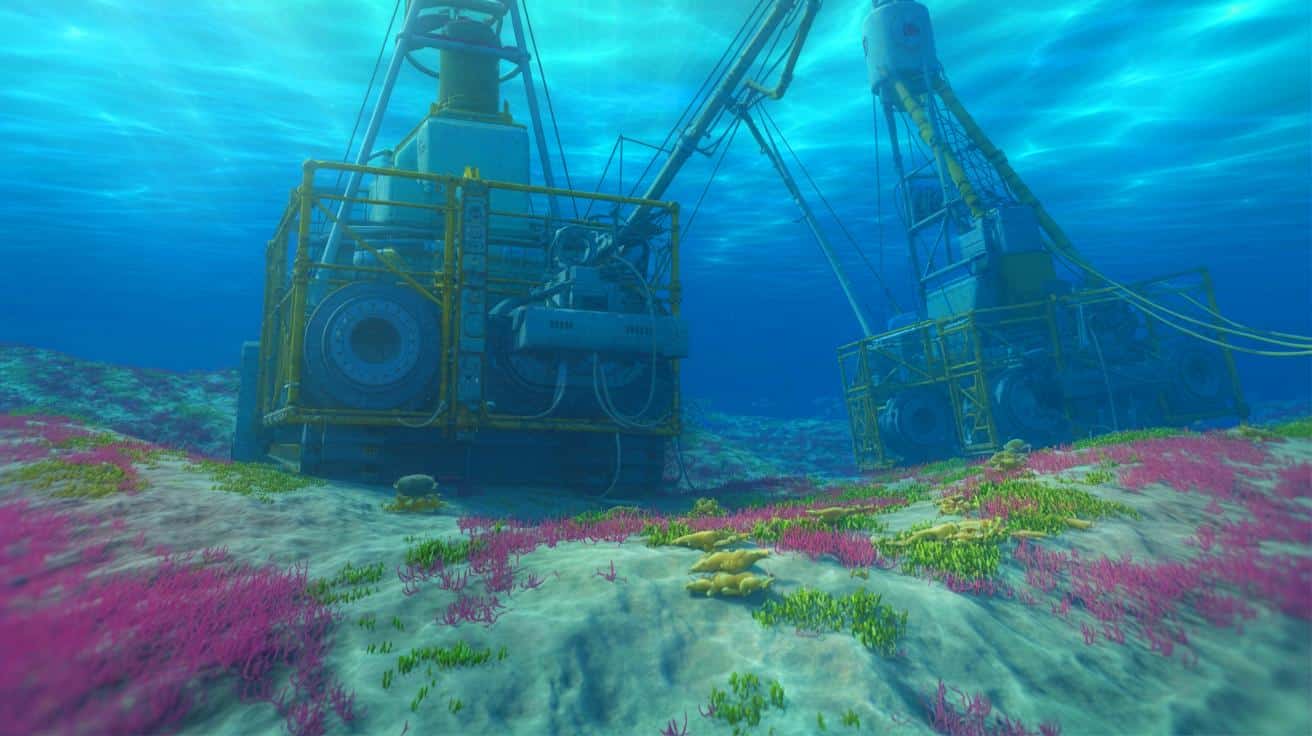
In 1979, researchers embarked on a groundbreaking deep-sea mining experiment in the Clarion-Clipperton Zone, a region abundant in manganese nodules. These nodules are crucial for producing metals used in electric vehicle batteries. The experiment aimed to understand the effects of large-scale mining on the marine ecosystem. However, the aftermath of the endeavor proved to be more enduring than anticipated. The mining operations left permanent scars on the ocean floor, accompanied by a series of puzzling pings that eluded explanation for years.
Recent findings published in the journal Nature reveal that these mysterious sounds were indeed linked to the remnants of mining machinery. Although the equipment itself was no longer visible, its acoustic signature persisted. Dr. Adrian Glover, one of the study’s authors, noted the striking preservation of the mining scars, stating, “The scars made by the mining machine 44 years ago look almost as if they were made yesterday.” This revelation underscores the lasting impact of human activities on marine environments, prompting questions about the sustainability of such endeavors.
Life Returns, but at What Cost: Slow Recovery After Deep-Sea Mining?
While the origin of the pings is now understood, the broader implications for the marine ecosystem remain complex. The study observed signs of biological recovery in the mined area, with certain organisms, like xenophyophores, starting to repopulate the region. This suggests a gradual return of marine life, albeit at a slow pace. However, the absence of fixed animals, which rely heavily on the seabed, indicates that the ecosystem has not fully healed.
The slow recovery raises concerns about the long-term effects of deep-sea mining. The sensitivity of these organisms to disturbances complicates the prospect of a complete ecological restoration. As Dr. Glover remarked, “What’s interesting is that animal life has actually started to recolonize the mined area.” This observation highlights both resilience and vulnerability within marine ecosystems, calling for a balanced approach to resource extraction and conservation.
Scaling Up the Risk: What Decades of Deep-Sea Mining Could Really Unleash
The 1979 experiment, although limited in scope, offers valuable insights into the potential consequences of expansive mining operations. Today, commercial ambitions aim to exploit vast oceanic areas, far exceeding the scale of the initial experiment. Current plans could impact up to 27,000 square miles, posing significant risks to marine biodiversity and environmental stability.
Moreover, the study highlighted the detrimental effects of sediment plumes generated by mining activities. These plumes can disrupt marine life over considerable distances, underscoring the need for comprehensive environmental assessments. The findings serve as a foundation for informed policy-making, advocating for protective measures to mitigate the adverse impacts of deep-sea mining. As scientists continue to explore the ocean’s depths, startling discoveries beneath the Pacific Ocean urge caution and reflection on our environmental stewardship.
Policy Implications: Navigating the Future of Oceanic Resource Extraction
The resolution of the enigmatic ocean pings offers critical lessons for future resource extraction endeavors. Policymakers face the challenge of balancing economic interests with ecological preservation. The study’s insights into the lasting impacts of mining operations emphasize the need for stringent regulations and environmental safeguards.
Developing sustainable practices requires collaboration among scientists, industry stakeholders, and regulatory bodies. As debates about the future of deep-sea mining intensify, there is an opportunity to prioritize environmental sustainability while addressing global resource demands. The lessons learned from past experiments can guide the creation of frameworks that protect marine ecosystems while enabling responsible resource utilization.
As the mystery of the enigmatic pings unravels, the broader implications for deep-sea mining and environmental sustainability come to the forefront. The study’s findings challenge us to reconsider how we interact with our planet’s resources. As we weigh the benefits and risks of deep-sea mining, how can we ensure the protection of fragile ecosystems while meeting the demands of a rapidly changing world?



Wow, the ocean is talking back! Who knew deep-sea mining experiments could leave such a lasting impact? 🤔
Wow, 44 years is a long time for a mystery to be solved! Science is amazing! 🔍
This is fascinating! Did the researchers propose any solutions to prevent such damage in future mining endeavors?
Could this revelation change current deep-sea mining regulations?
It’s incredible how long the effects of human activities can last. Makes you wonder what else we’ve left behind. 🌊
Are there any plans to restore the affected marine areas, or is the damage considered irreversible?
Wait, we’ve been mining the ocean floor for decades? I had no idea!
Thank you for uncovering this mystery! It’s crucial to learn from past mistakes to protect our oceans. 🌏
How do we ensure this doesn’t happen again with future mining projects?
Can someone explain why it took 44 years to figure out the source of these sounds?
Deep-sea mining sounds like a sci-fi movie plot. What other mysteries could still be lurking in the ocean depths?
Thanks for sharing this! The ocean really does have its stories to tell. 🌊
Great article! I’m curious if the study discussed any alternative methods for resource extraction that are less harmful?
Is the technology used in 1979 still relevant today, or are there more advanced methods now?
44 years is a long time! What were the initial theories about these pings before this discovery?
This is a timely reminder of the long-term consequences of our actions. Let’s hope we learn from this. 🙏
I bet the fish are thinking, “Finally, they figured it out!” 😂
Can somebody tell me how deep-sea mining works? I had no idea it was even a thing until now.