




| IN A NUTSHELL |
|
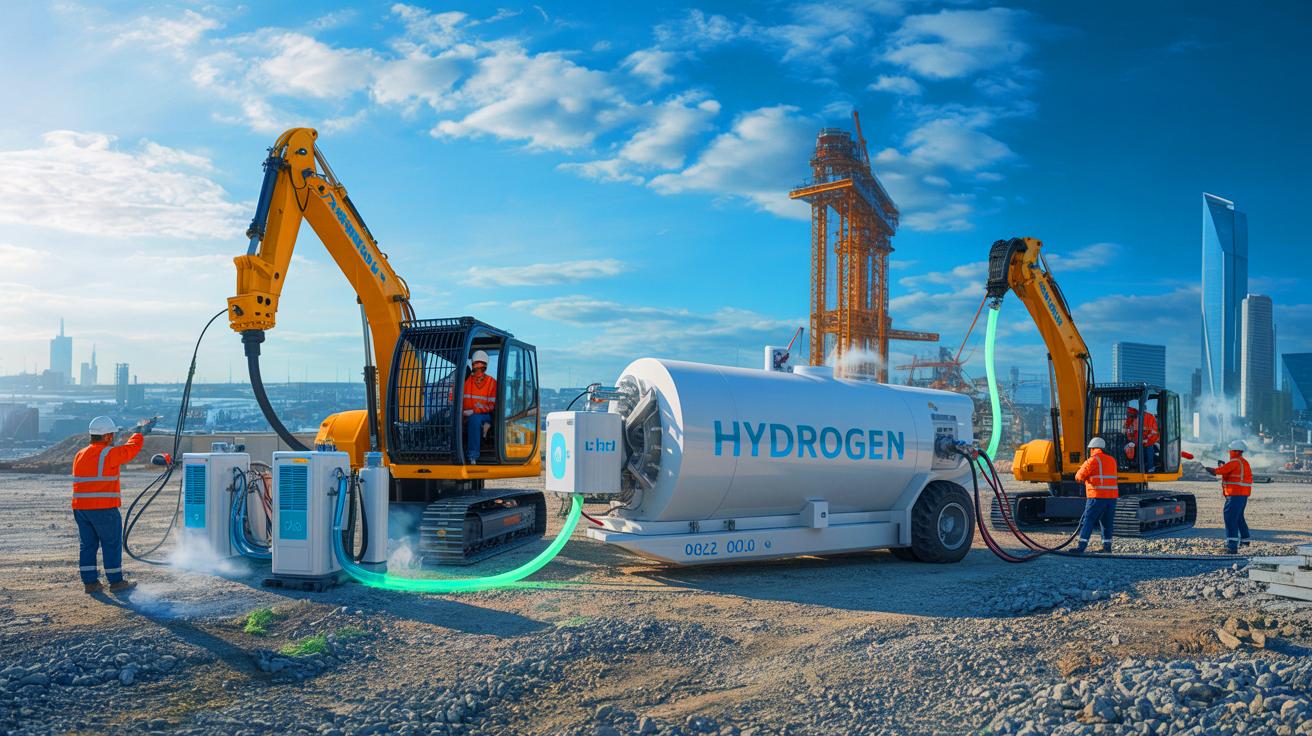
The construction industry is on the cusp of a transformative era as it seeks cleaner, more sustainable energy sources to replace traditional diesel generators. Among the alternatives, hydrogen fuel cells have emerged as a promising solution, offering the potential to significantly reduce emissions in construction processes. The HS2 project in the United Kingdom serves as a prime example of how hydrogen technology can be integrated into large-scale construction, highlighting both the innovation and the challenges that come with such a transition. This article delves into the adoption of hydrogen fuel cells in construction, exploring the technological advancements, economic hurdles, and future prospects.
The Rise of Hydrogen Fuel Cells in Construction
The construction sector’s shift towards hydrogen fuel cells marks a significant departure from traditional energy consumption methods. Companies like GeoPura are spearheading this movement by developing hydrogen generators to replace diesel-powered machinery. Hydrogen fuel cells offer a cleaner, more efficient energy source, presenting a viable path to decarbonizing the industry. However, the transition has not been without its challenges. In 2024, several firms encountered scalability issues, underscoring the complexities of widespread hydrogen adoption.
Nonetheless, the HS2 project in the UK provides a beacon of hope. As one of Europe’s largest infrastructure projects, its use of hydrogen fuel cells demonstrates the feasibility of large-scale application. The integration of hydrogen power in construction is fraught with difficulties, but with continued innovation and investment, the industry stands poised for a more sustainable future.
Innovative Energy Solutions at the HS2 Site
The HS2 Victoria Road construction site in London is a testament to the innovative application of hydrogen fuel cells. Beneath a network of conveyor systems, two unassuming white containers house the technology powering the entire site. These hydrogen fuel cells are heralded as a revolutionary energy solution, enabling emission-free operations.
Hydrogen is celebrated for its abundance and energy density, offering three times more energy than gasoline while producing only water as a byproduct. This makes it an ideal energy source for heavy industries like construction. The HS2 project serves as a real-world demonstration of hydrogen’s potential, showcasing its ability to drive a sustainable future in construction.
GeoPura’s Vision and Business Model
GeoPura, in partnership with Siemens Energy Ventures, is at the forefront of the hydrogen revolution. Founded in 2019, GeoPura produces renewable hydrogen and supplies it to leased hydrogen power units (HPUs) for construction sites and events. By 2025, the company aims to expand its fleet to 3,600 HPUs by 2033 and invest in green hydrogen production facilities.
This ambitious strategy highlights GeoPura’s commitment to a zero-emission construction industry. The company focuses on scalable hydrogen production and distribution, making the technology accessible for diverse applications. As hydrogen production costs decrease, the economic feasibility of these solutions becomes more apparent, paving the way for a cleaner construction landscape.
Economic Challenges and Future Prospects
Despite its promise, the deployment of hydrogen in construction faces significant economic challenges. The high cost compared to diesel and the logistical complexities of production and distribution are notable obstacles. However, ongoing efforts aim to address these issues.
GeoPura and similar initiatives work to reduce production costs, while innovations in the sector promise to transform construction into a green revolution. As investment in hydrogen technology increases, the questions arise about the speed of implementation and the potential impact on reducing the construction industry’s carbon footprint.
The potential of hydrogen as a clean energy source in construction is undeniable. With pioneering projects like HS2 leading the charge, the industry is gradually embracing more sustainable practices. Yet, the path to widespread hydrogen adoption remains challenging, particularly in overcoming economic hurdles. As we look to the future, will hydrogen fuel cells fully transform the construction industry, and what new innovations will emerge to further this shift?


Wow, $134 billion? That’s a lot of zeroes! 💸
How long until we see hydrogen fuel cells in smaller construction projects?
Is this project really feasible given the economic hurdles mentioned?
With all this hydrogen talk, will we see flying construction vehicles next? 🚀
Thank you for highlighting the environmental benefits of hydrogen fuel cells! 🌍
For such a large investment, the economic risks must be huge. Are there any safety concerns too?
GeoPura sounds like they’re really leading the charge. Go GeoPura! 💪
How many jobs is this massive project expected to create across Europe?
I wonder if these hydrogen cells can power other industries as effectively.