


| IN A NUTSHELL |
|
The advent of the WindRunner, a colossal cargo aircraft, marks a significant milestone in the evolution of renewable energy logistics. Designed to transport massive wind turbine blades directly to wind farms, this aviation innovation promises to play a pivotal role in expanding the reach of terrestrial wind energy across the United States. By overcoming the logistical challenges of transporting large, cumbersome equipment, the WindRunner could fundamentally reshape the landscape of renewable energy infrastructure, offering a glimpse into a more sustainable future.
The Engineering Marvel of WindRunner
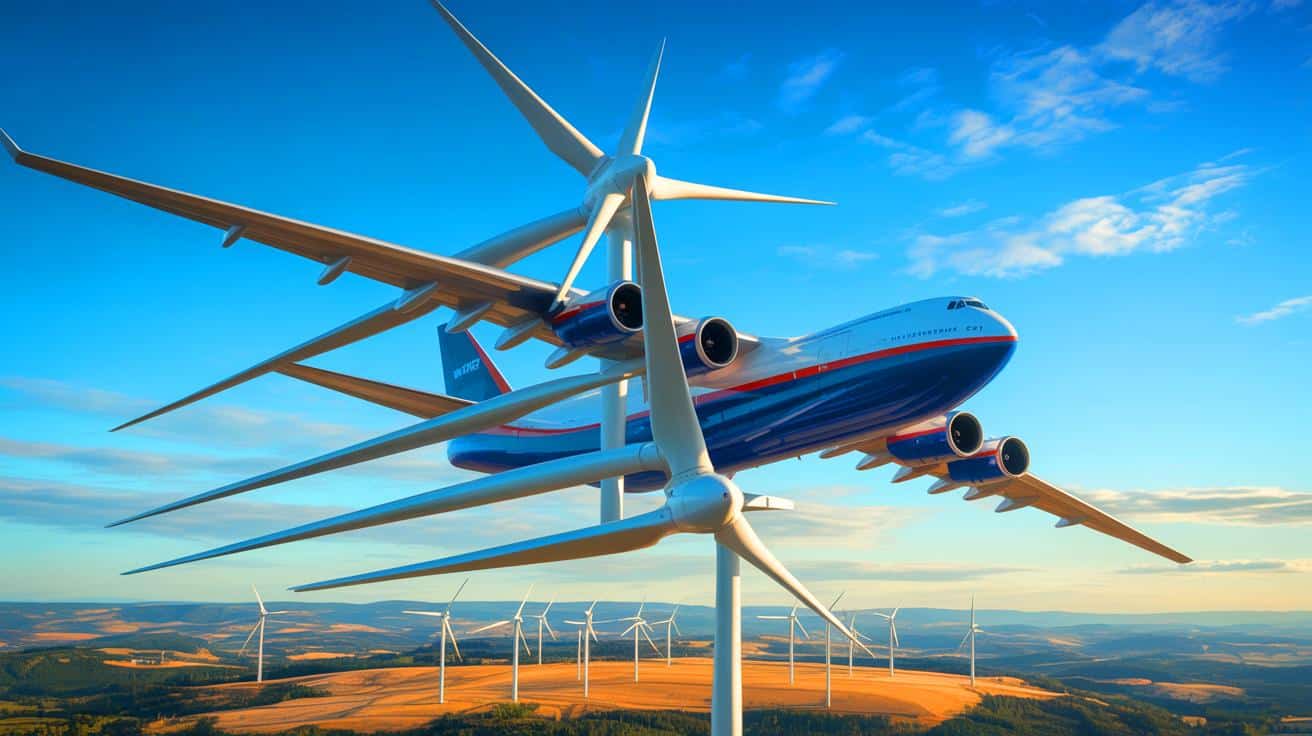
The WindRunner is not just another aircraft; it is a behemoth designed with a singular purpose. Measuring approximately 356 feet in length, 79 feet in height, and boasting a wingspan of nearly 261 feet, this aircraft dwarfs even the longest passenger planes in the world. In comparison, the Boeing 747-8, known as the world’s longest passenger aircraft, is over 100 feet shorter. The WindRunner’s immense size is crucial for its ability to transport wind turbine blades, which can weigh up to 77,000 pounds and range from 147 to 298 feet in length.
This engineering feat is aimed at addressing a critical bottleneck in the deployment of wind energy solutions. Traditionally, wind turbine blades have been transported by sea, limiting their use to coastal or offshore sites. The WindRunner’s capabilities allow for direct delivery to terrestrial wind farms, expanding the potential geographical reach of wind energy projects across the country. By facilitating inland transport, the WindRunner could significantly accelerate the adoption of wind energy.
Landing Challenges and Infrastructure Needs
One of the primary challenges associated with the WindRunner is the need for specialized infrastructure to accommodate its size. A runway approximately 6,000 feet long is required to facilitate the landing of this enormous aircraft. In contrast, runways for light aircraft typically range from 1,968 to 3,281 feet. The construction of such runways represents a significant logistical hurdle but is essential for the operation of the WindRunner.
Mark Lundstrom, an aerospace specialist with a background from MIT and the founder of Radia, has dedicated seven years to developing the WindRunner. His work emphasizes the aircraft's robustness, particularly concerning its landing capabilities. Radia, the aerospace company behind this project, emphasizes that the transport function of the WindRunner is indispensable for the growth of the wind energy sector. As wind turbines grow larger, existing terrestrial infrastructure becomes insufficient, necessitating innovative solutions like the WindRunner.
Economic Impact and Energy Production
The WindRunner is not just a technological marvel; it is also poised to have a substantial economic impact. By enabling the transport of larger turbines, the WindRunner could help reduce the cost of electricity by 35% while simultaneously increasing energy production by 20%, according to experts. This is particularly significant given that wind energy accounted for 10% of large-scale electricity production in the United States in 2022.
The potential economic benefits extend beyond cost savings. By facilitating the deployment of larger turbines, the WindRunner could also enhance the efficiency and output of wind farms. This increased productivity is crucial for meeting the growing energy demands while transitioning to more sustainable energy sources. The ability to transport heavier loads at speeds of up to 460 mph further underscores the WindRunner's potential to revolutionize the logistics of renewable energy.
Future Prospects and Potential Uses
Looking forward, the WindRunner could become a reality within the next four years. Once operational, it will be capable of transporting loads up to 160,000 pounds. While its primary function is to support the wind energy sector, its design allows for versatility. Mark Lundstrom has hinted at potential military applications, such as transporting large machinery, which could further extend the aircraft's utility.
The introduction of the WindRunner represents a significant step forward in aviation and renewable energy. It embodies the potential for technology to overcome logistical barriers and drive sustainable progress. However, its success will depend on the ability to address the infrastructure challenges associated with its deployment.
As the world continues to grapple with the need for sustainable energy solutions, the WindRunner offers a promising glimpse into how innovation can lead the way.
The WindRunner's development signals a new era in the logistics of renewable energy. By addressing the challenges of transporting large-scale wind turbines, it could significantly impact the expansion of wind energy infrastructure. As we look to the future, one question remains: How will this technological advancement shape the renewable energy landscape in the years to come?

Wow, a plane that carries wind turbines? That’s blowing my mind! 🌬️✈️
Wow, this plane is a beast! Can’t wait to see it in action. ✈️
How does WindRunner compare in terms of fuel efficiency to other cargo planes?
How much does it cost to build one of these WindRunners? 🤔
35% electricity cost reduction sounds too good to be true. Is there a catch? 🤔
This sounds amazing, but what about the environmental impact of constructing those long runways?
Can we expect to see a WindRunner in action anytime soon?
Are there plans to manufacture these planes outside the US?
Thanks for the informative article! It’s great to see innovation in renewable energy. 🌿
35% reduction in electricity costs sounds too good to be true. Is this sustainable?
Does anyone else think this sounds like something out of a sci-fi movie? 🚀
Thank you for the fascinating article! It’s great to see innovation in renewable energy. 🌱
What happens if a WindRunner has to make an emergency landing? 😬
Can this aircraft transport other types of cargo, or is it just for wind turbines?
Not impressed. Sounds like just another expensive project with big promises.
How will the infrastructure costs for the new runways impact overall savings?
This is amazing! Hope it really helps bring down electricity costs in the long run.
Is it just me, or does the WindRunner seem like a giant flying whale? 🐋✈️
I’m curious, what are the potential military applications mentioned?
How many WindRunners would be needed to make a significant impact on energy costs?
Can the WindRunner carry anything else besides wind turbine blades?
Is Radia planning to build more planes of this size, or is it a one-off?
Love the idea, but how about the environmental impact of building and flying these planes?
This is the future! Renewable energy logistics need such innovations. 💡
How does the WindRunner handle harsh weather conditions during transport?
Seems like an engineering marvel, but what about maintenance costs? 🤔
Can’t wait to see one of these in the sky. It must be a sight to behold!
What’s the estimated cost of building a single WindRunner aircraft?
Bet the pilots need some serious training to handle this beast! 👨✈️
Does this mean wind energy will become more accessible in remote areas?
How long did it take to develop this aircraft? Kudos to the team! 👏
Will the WindRunner be used internationally or just in the U.S.?
I hope safety is a top priority with such a massive aircraft.
How does this project get funding? Seems like a massive investment. 💰
The size of that plane is insane! How does it even take off? 😂
Is there a backup plan if the infrastructure requirements can’t be met?
Could this technology be adapted for other types of renewable energy equipment?
The concept is great, but execution will be the real test.
Will this make wind energy cheaper than solar in the long run?
What are the environmental benefits of using WindRunner over traditional transport methods?
How does WindRunner deal with potential air traffic control issues given its size? 🛫
Do they plan to build new airports just for these planes?
Is there any international interest in this technology yet?
Thanks for sharing this article. It’s exciting to see where renewable energy is heading! 🌍