


| IN A NUTSHELL |
|
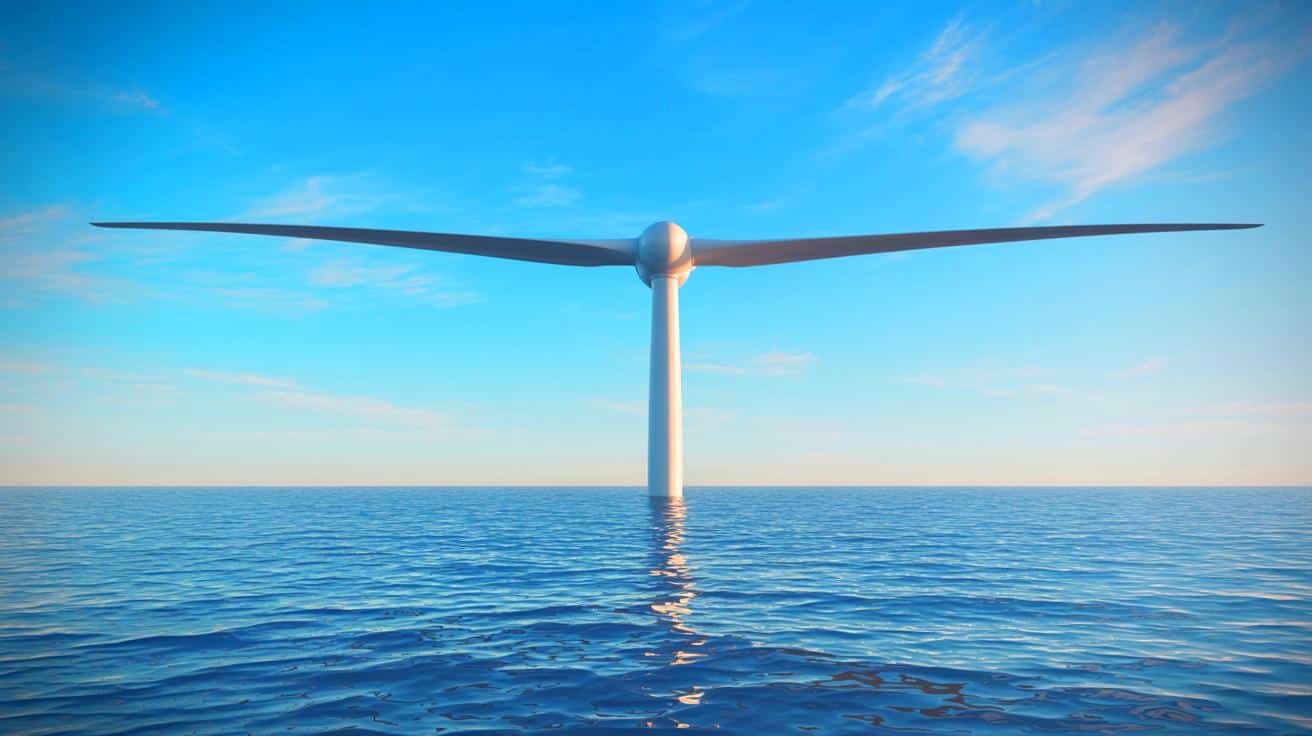
China has taken a significant leap in renewable energy by assembling the world’s largest floating offshore wind turbine. With its massive blades spanning an area equivalent to seven soccer fields, this new turbine marks a milestone in the global pursuit of sustainable energy solutions. The 16-megawatt system was completed in Beihai, located in China’s Guangxi Zhuang Autonomous Region. Following its assembly, the turbine will be towed to deeper waters for rigorous testing before it becomes a part of the commercial energy grid. This development underscores China’s commitment to achieving self-sufficiency in advanced technology and its ambition to lead in the global shift towards clean energy.
Engineering Marvel: World’s Biggest Rotor
The floating wind turbine features an impressive rotor diameter of 826 feet, making it the largest of its kind. Once operational, this engineering marvel is expected to generate approximately 44.7 million kilowatt-hours of electricity annually. This output is sufficient to power around 4,000 average U.S. households, showcasing the potential of offshore wind energy in meeting substantial power needs.
The turbine is mounted on a semi-submersible platform that incorporates a dynamic ballast system. This innovative system adjusts automatically to changing wind and wave conditions by moving water in and out of tanks within its three support columns. Such technology not only minimizes tilt and operational shutdowns but also enhances safety and efficiency in challenging offshore environments.
As the project progresses, the turbine will be moved to waters deeper than 164 feet for further installation and connection to the grid. This step is crucial, as floating platforms can access stronger and more consistent winds located further offshore, where traditional fixed foundations are not feasible.
Powering Future Grids with Offshore Wind
The China Three Gorges Corporation, known for constructing the world’s largest hydropower plant, is at the forefront of this offshore wind project. This move represents a strategic expansion of their expertise into renewable wind energy. Offshore wind is now a vital component of China's broader energy transition strategy. During a significant economic meeting in July 2025, President Xi Jinping emphasized its role in the "high-quality development" of the marine economy.
This initiative is part of China's effort to reduce reliance on fossil fuels. As President Xi stated, the goal is to peak CO2 emissions before 2030 and achieve carbon neutrality before 2060. Considering China has been responsible for 90% of global CO2 growth since 2015 and accounts for about one-third of worldwide emissions, its actions are pivotal to the success of international climate agreements like the Paris Agreement.
China’s Role in Global Climate Efforts
China's aggressive push for renewable energy sources is crucial in the context of global climate change. The country's significant contribution to CO2 emissions means that its commitment to clean energy could heavily influence the outcomes of global climate initiatives. The Paris Agreement, which aims to limit global warming to below 1.5 degrees Celsius, relies on the participation and success of major emitters like China.
In addition to environmental benefits, China's advancements in renewable technology could also have economic implications. By positioning itself as a leader in renewable energy, China could influence global energy markets and set new standards in sustainable technology.
Technological Advancements and Economic Impact
China's development of the world's largest floating wind turbine is not just an environmental milestone but also a technological one. Employing homegrown production for components like mooring cables and turbine gearboxes, China is pushing for technological self-reliance. This move reflects a broader strategy to become a leader in cutting-edge technologies essential for future energy needs.
The economic implications are significant as well. By advancing in renewable energy technology, China could reduce its dependency on imported technology while also creating jobs and stimulating its economy. These developments could set a precedent for other nations to follow, potentially reshaping global energy dynamics.
As China continues to innovate and expand its renewable energy capabilities, the question remains: How will other nations respond to China's advancements in clean energy technology, and what strategies will they adopt to keep pace in the global shift towards sustainability?

Wow, seven soccer fields? That’s massive! How do they even transport those blades? 🤔
Wow, this is incredible! How soon before we see these turbines powering entire cities? 🌍
Is this turbine going to affect local marine life in any way?
Are there any potential environmental impacts from such large offshore turbines? 🤔
Finally, something positive from China regarding the environment. Keep it up! 🌱
China is definitely leading the way in renewable energy! Kudos to them for this amazing achievement. 🙌
Imagine playing soccer on a blade that size! ⚽️
With blades the size of seven soccer fields, I hope they have a good maintenance plan! 😅
How does this compare to wind turbines in other countries?
Can we expect a global race for larger turbines now?
Is the technology used in these turbines patented, or can other countries adopt it as well?
Hope they have a great maintenance plan for this beast!
I’m skeptical. How reliable are these floating platforms in extreme weather conditions?
Is it true that this turbine can power 4,000 U.S. households? Impressive!