




| IN A NUTSHELL |
|
The global construction industry is undergoing a transformative shift, as innovative methods and materials challenge traditional norms. One such breakthrough comes from Japan, where a company is pioneering the use of 3D printing technology combined with sustainable materials like earth and natural fibers. This approach not only eliminates the use of concrete, a notorious contributor to carbon emissions, but also promises a future where housing is environmentally friendly and economically viable. The implications of this development could redefine how we think about building homes and addressing the pressing issue of climate change.
The Environmental Cost of Concrete
Concrete is the most widely used building material globally, with around 14 billion cubic meters produced annually, according to the Global Cement and Concrete Association. Despite its ubiquity and strength, concrete has significant environmental drawbacks. Its production is water-intensive, requiring it to remain wet for several days to ensure proper curing. Additionally, the cement production process, an essential component of concrete, is a leading cause of carbon dioxide emissions in the construction industry.
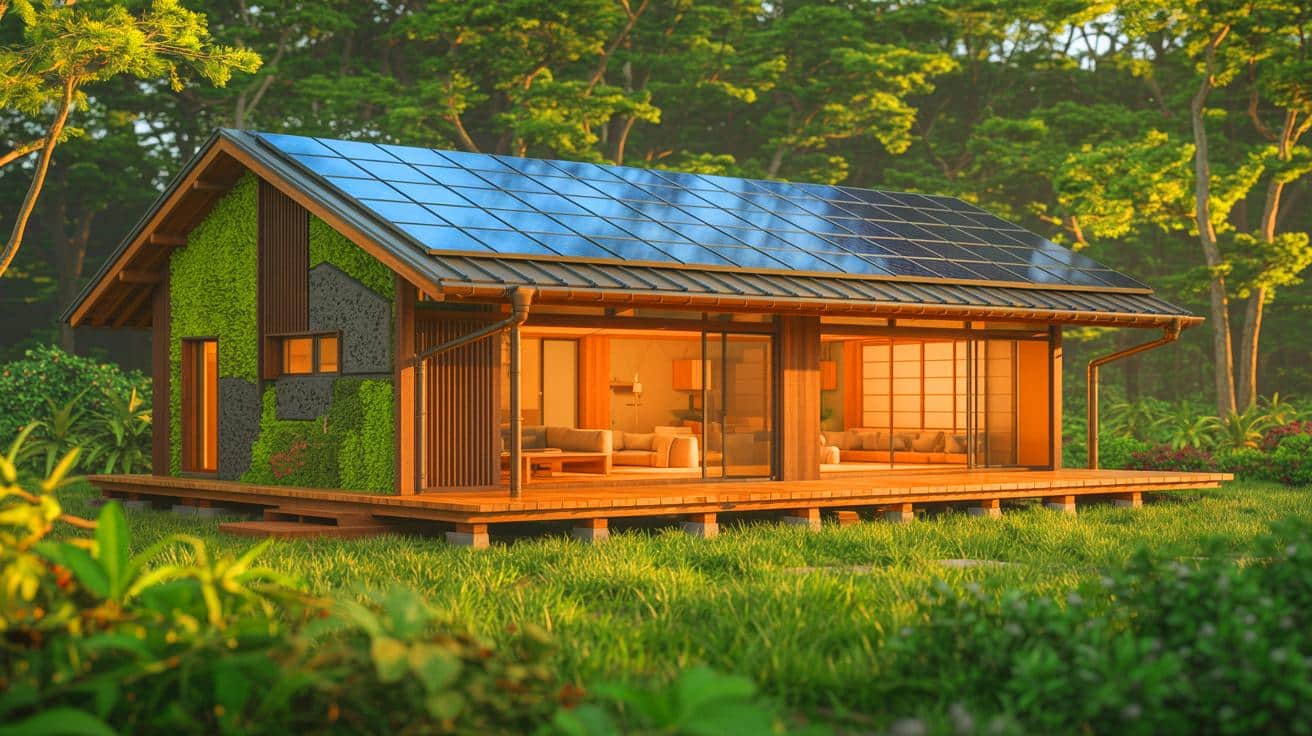
For years, experts have sought alternatives to mitigate concrete’s environmental impact. The Japanese company Lib Work has taken a notable step forward by integrating 3D printing technology with sustainable materials such as earth, lime, and natural fibers. This innovation has culminated in the creation of the Lib Earth House, a model home that entirely excludes concrete, even in its foundations. The house is not only recyclable but also incorporates a wooden frame and sustainable energy technologies, including solar panels and Tesla Powerwall batteries, ensuring both environmental and functional efficiency.
3D Printing and Sustainable Materials: A Winning Combination
The combination of 3D printing technology and sustainable materials represents a significant advancement in eco-friendly construction. Lib Work states on its website:
“Our 3D printed homes use an innovative and sustainable construction method that reduces environmental impact while creating economic and social value. Guided by our mission: 'Innovate in housing through sustainable development and technology,' we see these 3D printed homes as a concrete commitment to a more sustainable future.”
https://www.sustainability-times.com/impact/my-son-built-a-two-story-playhouse-14-year-olds-280-shed-project-triggers-international-construction-job-offers/
This statement underscores the potential of 3D printing to revolutionize the construction sector. The technology offers fast execution, cost-effectiveness, and customizable designs, all while optimizing material usage. Most importantly, by pairing 3D printing with sustainable resources, it becomes possible to significantly reduce the carbon footprint of construction projects.
Lib Work is not alone in this endeavor. Numerous companies and researchers are exploring similar innovations. For instance, a team from Texas A&M University developed a durable construction material using earth for 3D printing in 2020. Additionally, Nagami and the architecture firm Hassell unveiled a project in 2023 that utilized recycled plastic-based construction materials designed to withstand extreme conditions.
Potential Benefits and Challenges
The move away from conventional materials like concrete and steel toward more sustainable options offers numerous benefits. Homes built with these materials are often less costly to construct and maintain. They also align with growing consumer demand for environmentally friendly products. Beyond the environmental advantages, the use of local and renewable resources can stimulate regional economies and reduce transportation emissions.
However, these innovations are not without challenges. Regulatory barriers, market acceptance, and the initial cost of new technology can be significant hurdles. The construction industry is traditionally risk-averse, and adoption of new methods may be slow. Moreover, ensuring the durability and safety of these new materials is crucial, as they must withstand various environmental conditions and meet building codes.
Future Implications for Global Construction
The shift towards using 3D printing and sustainable materials in construction could have profound implications globally. As urbanization continues, the demand for housing increases, putting pressure on resources and the environment. Innovative approaches like those pioneered by Lib Work offer a blueprint for sustainable urban development. If widely adopted, these methods could transform the construction industry, making it more resilient and responsive to environmental challenges.
The potential for scaling these technologies is vast. As more companies invest in research and development, costs are likely to decrease, making these sustainable building practices more accessible. Furthermore, as awareness of climate change grows, so too does the demand for homes that contribute to a sustainable future. The challenge lies in balancing innovation with practicality and ensuring that these new methods meet the needs of diverse populations around the world.
As the construction industry evolves, the integration of 3D printing technology and sustainable materials presents an exciting opportunity to redefine how homes are built. The success of these initiatives will depend on overcoming regulatory challenges and proving their long-term viability. How will this shift impact traditional construction practices, and what role will these innovations play in addressing the global housing crisis?


Wow, this is revolutionary! Can’t wait to see how it changes the industry. 🌍🏠
Wow! This is the future of construction! Can’t wait to see these homes in every neighborhood. 🌍🏠
How durable are these 3D-printed homes compared to traditional ones?
Are these 3D-printed homes actually durable enough to withstand natural disasters like earthquakes? 🤔
So, no more concrete? That’s a game-changer for the environment! 🌱
Thank you for sharing such an inspiring innovation! 🙏
Finally, a solution to concrete’s pollution problem! Thank you for shedding light on this amazing innovation!
What happens to these homes during an earthquake? 🤔
Isn’t using earth for construction going to cause other environmental issues, like erosion?
Does this mean we can 3D print a home in a week? 🏗️
Sounds too good to be true. What’s the catch?
3D printing a house? Sounds like something straight out of a sci-fi movie! 😄
I hope the cost of these homes is affordable for everyone.