


| IN A NUTSHELL |
|
As electric vehicles (EVs) become increasingly popular, many drivers are drawn to the promise of significant savings and a reduced environmental impact. Tesla, a leader in the EV market, offers the allure of lower fuel costs and cutting-edge technology. However, after a year of ownership, some Tesla owners are finding that the financial benefits are not as straightforward as they had anticipated. The initial costs and ongoing expenses can often offset the expected savings, leading to a more nuanced financial picture.
The Initial Investment: More Than Meets the Eye
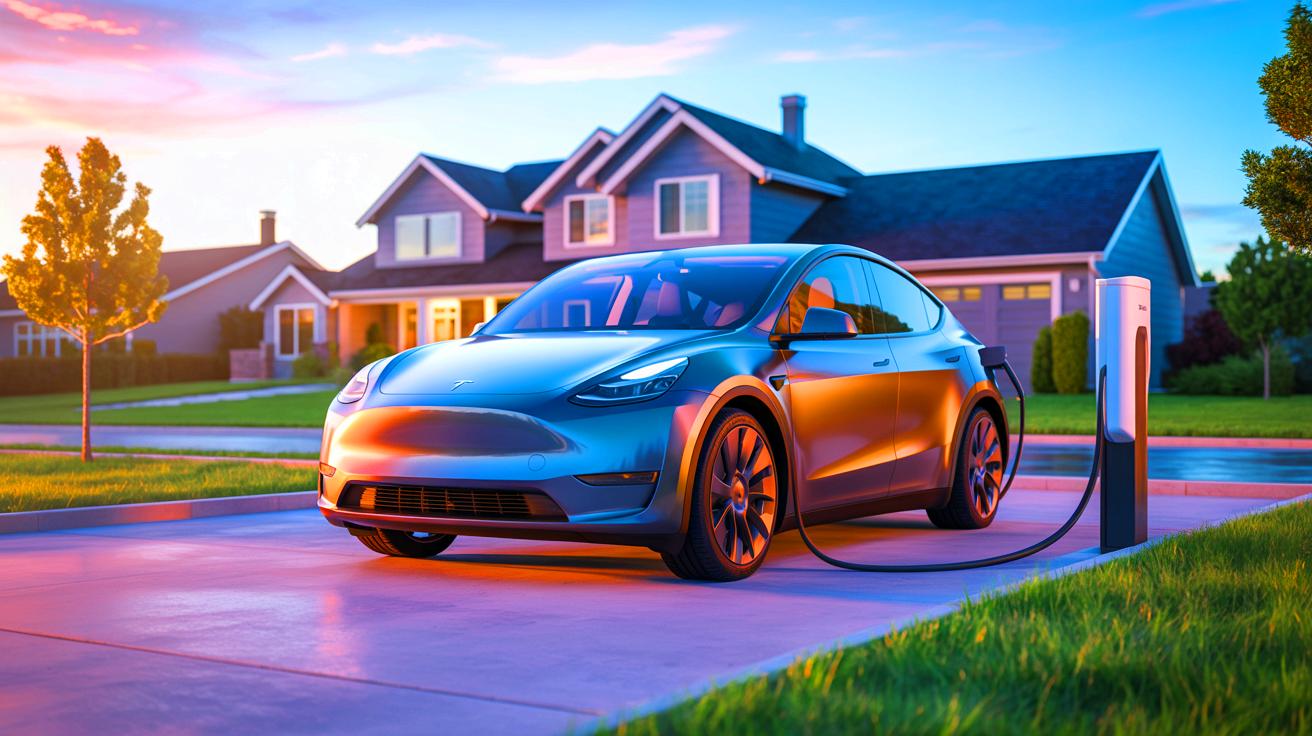
Purchasing a Tesla is more than just paying the sticker price at the dealership. One of the first unexpected expenses is the installation of a home charging station. While the Tesla wall connector itself is priced at around $475, the installation costs can range from $500 to over $2,000, depending on the complexity of the electrical work required. For instance, a Tesla owner and YouTuber, Kevin “The Tech Ninja,” reported spending $1,200 to extend wiring from his basement to his garage.
Moreover, the potential for government incentives, such as the ecological bonus, often comes with strings attached. These financial perks are typically contingent upon income limits and vehicle price caps, which can exclude certain buyers and configurations. What initially appears to be a guaranteed benefit is, in reality, a conditional privilege that not all Tesla owners can enjoy.
Understanding Fuel Savings: The Home Advantage
The primary selling point of a Tesla is the reduction in fuel costs. Charging at home is notably affordable; with the average electricity cost in the U.S. at approximately $0.16 per kWh, driving a Model Y for 100 miles costs about $3.20. In contrast, a comparable gasoline-powered SUV would require nearly $9.68 for the same distance, making the electric option significantly cheaper. Over a year, this can lead to savings of over $1,500.
However, this ideal scenario changes when relying on Tesla’s Supercharger network, where prices can climb to $0.60 per kWh. This increase nearly quadruples the cost of charging when away from home.
https://www.sustainability-times.com/policy/were-not-paying-a-cent-canada-freezes-40-million-in-aid-and-declares-war-on-teslas-controversial-operations/
For frequent travelers or those without convenient home charging, the anticipated fuel savings can diminish rapidly. The economic edge over gasoline vehicles becomes less pronounced, challenging the perception of electric vehicles as a cost-saving alternative.
Unseen Budget Factors: Insurance and Depreciation
Two significant expenses often overlooked in the first year of Tesla ownership are insurance and depreciation. The cost of insuring a Tesla is notably high, with the annual premium for a Model Y averaging $3,112. This is $1,213 more than insuring a Toyota RAV4, a direct competitor. The high insurance rates are attributed to expensive repairs and specialized parts, which can erode the savings from lower fuel costs.
Depreciation is the most substantial hidden cost. While Teslas once held their value well, recent trends indicate a change. A five-year depreciation rate of 60.4% for a Model Y surpasses the industry average of 45.6%. An executive analyst at iSeeCars states, “Depreciation remains the most costly aspect of purchasing a new vehicle, with differences between vehicle types representing tens of thousands of dollars in lost value.” In the first year, a new car can lose 20 to 30% of its value, overshadowing other financial gains.
Long-Term Financial Outlook
The financial assessment of owning a Tesla often reveals a break-even scenario in the first year, where perceived savings are counterbalanced by unexpected costs. Long-term studies suggest that the true financial benefits of owning an electric vehicle emerge after several years. The transition to a Tesla is more of a financial marathon than a sprint, requiring patience to realize the full economic advantages.
As the electric vehicle market continues to evolve, potential buyers must weigh the initial costs against the long-term savings. How will advancements in technology and infrastructure impact the financial dynamics of owning an electric vehicle in the coming years?


Wow, $2,000 for a charging station? That’s shocking! ⚡️
Wow, didn’t realize Tesla insurance was that high! Is it because of the tech involved? 🤔
Insurance is higher? Guess it’s the price to pay for a “smart” car. 😅
Maybe the title should be “Tesla Owners Break Even First Year” instead? 😉
Did the article mention anything about the cost of maintenance on a Tesla?
Thanks for this insight! I was considering buying a Tesla but might rethink now.
To be fair, Teslas are still pretty cool, even if they cost a bit more initially. 🚗
Are there any plans from Tesla to reduce these initial costs?
Why is insurance so high for Teslas compared to other cars?
Who needs insurance when you’ve got autopilot? Just kidding! 😅
Can someone explain the depreciation part? Is it really that bad?
Interesting article! Do these costs differ internationally?
Great article! Thanks for breaking down the hidden costs. 👍
Great breakdown on the true costs. It’s important to see the full financial picture.
Does this mean buying a Tesla isn’t worth it?