




| IN A NUTSHELL |
|
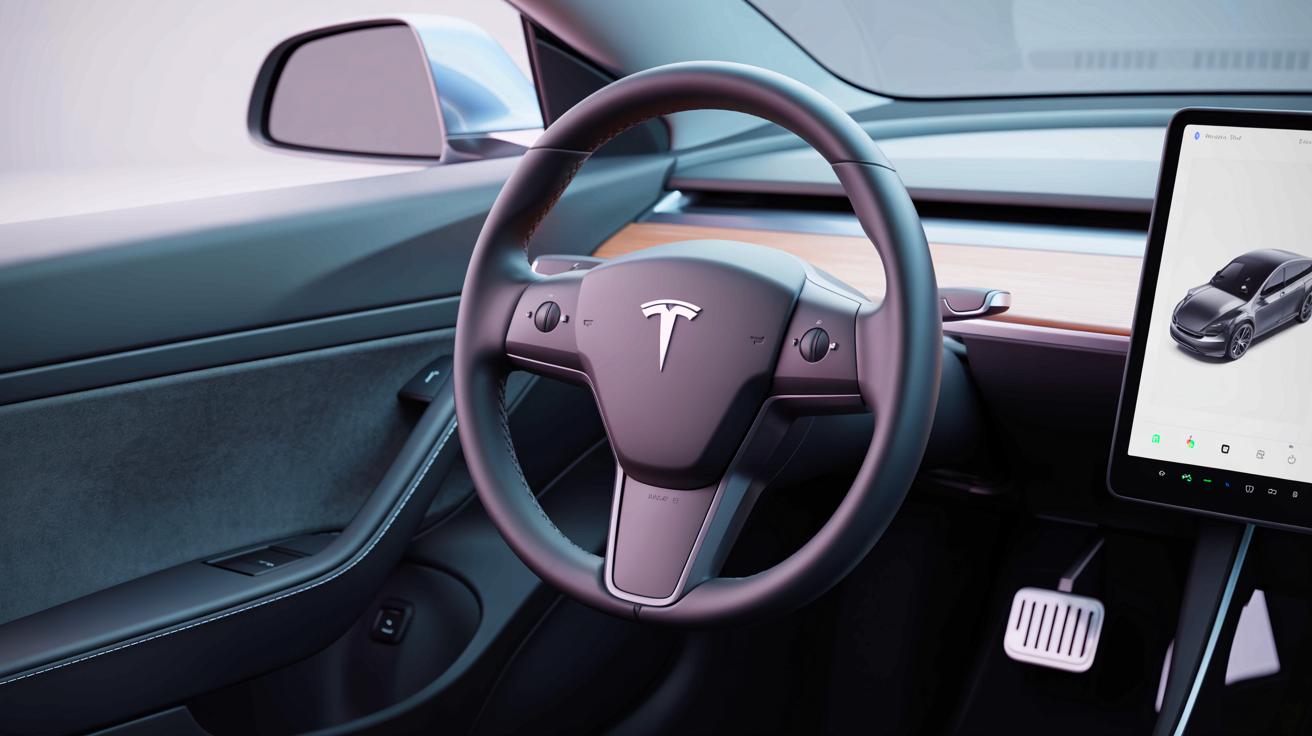
Tesla, a pioneer in the electric vehicle industry, is known for its bold and often controversial decisions. One such decision was the removal of traditional turn signal stalks from its Model 3 vehicles in 2023, opting instead for touch-sensitive buttons on the steering wheel. This move was part of Tesla’s effort to simplify vehicle design but was met with widespread criticism for reducing practicality. Now, in a surprising twist, Tesla is offering to reinstall these stalks, but at a cost. This decision has sparked a debate over the balance between innovation and user convenience in the automotive industry.
Rethinking the Removal of Turn Signal Stalks
In 2023, Tesla made headlines with its decision to replace the conventional turn signal stalks on its Model 3 with touch-sensitive buttons. This change was marketed as a step towards a more streamlined and modern vehicle interior. However, many users found the new system less intuitive and more difficult to use while driving. The tactile feedback and ease of use provided by traditional stalks were lost, leading to dissatisfaction among some Tesla owners.
The company’s commitment to innovation often involves taking risks that may not always align with consumer preferences. In this case, the decision to remove the stalks was seen as a step too far by many. The backlash from customers and automotive experts alike highlighted the potential downsides of prioritizing design aesthetics over functionality.
Introducing the Paid Reinstallation Option
In light of the criticism, Tesla has decided to offer an option to reinstall the traditional turn signal stalks on the Model 3. This option, however, comes with a price tag. The reinstallation kit is available for purchase on Tesla’s Chinese website for 2,499 yuan, approximately 300 euros, including installation at an official service center. This move is seen as a partial reversal of the original decision, acknowledging the importance of user feedback in automotive design.
This decision raises questions about the company’s original design choices and whether the pursuit of innovation sometimes overlooks essential user needs. The reinstallation option is available only for certain models produced after February 2025, which further limits the accessibility of this feature to a select group of Tesla owners.
Financial Implications for Tesla Owners
The introduction of a paid option for reinstalling turn signal stalks has financial implications for Tesla owners. While some may welcome the return of this familiar feature, others see it as an unnecessary expense. The cost of the reinstallation kit adds to the overall ownership expenses, which could be a point of contention for those who expected a more user-friendly design from the outset.
For Tesla, this move represents a strategic decision to monetize a feature that was previously standard. It highlights the company’s approach to balancing innovation with consumer expectations and the financial realities of running a business. Whether this strategy will prove successful remains to be seen, but it underscores the complexities of navigating consumer demands in a rapidly evolving industry.
Assessing the Balance Between Innovation and Practicality
This situation with Tesla’s turn signal stalks serves as a case study in the challenges of balancing innovation with practicality in the automotive industry. While the company is known for pushing the boundaries of technology and design, this instance suggests that there is a limit to how far consumers are willing to go in the name of progress. The ability to listen to user feedback and make adjustments is crucial for maintaining customer satisfaction and loyalty.
As Tesla continues to innovate, it must also consider the practical needs of its users. The decision to offer a paid option for reinstallation acknowledges the importance of user experience, yet it also raises questions about the trade-offs between cutting-edge design and everyday usability. How companies like Tesla navigate these challenges will shape the future of automotive innovation.
The ongoing debate over Tesla’s design choices reflects broader questions about the role of innovation in modern society. As technology continues to evolve, companies must balance the pursuit of groundbreaking advancements with the practical needs of their users. Will Tesla’s decision to charge for the reinstallation of turn signal stalks set a precedent for other automotive manufacturers? How will consumers respond to similar decisions in the future?